You look out the window on a Saturday morning, coffee in hand, and realize the lawn has already shot up again. Auckland’s unpredictable mix of heavy rain and warm sunshine creates the perfect storm for explosive grass growth. For the busy homeowner or property investor, maintaining a pristine section can quickly feel like a relentless, unpaid part-time job.
The weekend warrior’s dilemma is a common one. You want a neat, tidy yard that adds street appeal to your property, but you refuse to sacrifice your precious days off to wrestle with a temperamental mower. Leaving the grass to grow wild for a month results in an overgrown jungle that is impossible to manage, while paying for weekly commercial cuts can drain your household budget.
This is exactly where Fortnightly Mowing Packages step in to bridge the gap. By establishing a reliable 14-day rhythm, you can automate your property maintenance, protect the biological health of your turf, and keep your budget firmly under control. Let’s explore why this specific schedule is the ultimate solution for local lawns.
Key Takeaways
Fortnightly Mowing Packages offer the ideal balance of cost-efficiency and consistent turf health for Auckland properties. By sticking to a 14-day schedule, homeowners adhere to the crucial one-third mowing rule, prevent aggressive Kikuyu overgrowth, and maintain excellent street appeal without paying premium weekly rates.
What Are Fortnightly Mowing Packages and How Do They Benefit Your Section?
A recurring 14-day maintenance cycle is designed for the “set-and-forget” property owner. Instead of constantly calling around for quotes every time the grass gets too high, you lock in a predictable schedule. This ensures your section is professionally serviced exactly when it needs it most.
The primary benefit of this approach is absolute consistency. By maintaining a strict two-week interval, the grass never reaches a critical height that requires heavy-duty slashing or expensive restorative work. Your property maintains a baseline level of neatness that deters pests and keeps council inspectors happy.
Furthermore, it completely removes the mental load of yard work from your busy schedule. You no longer have to spend your Friday evenings checking the weather forecast or making sure the mower has fuel. The responsibility is entirely outsourced to professionals who arrive like clockwork—find out more About Auckland Lawns and our expert team.
Comparative Matrix: Weekly vs. Fortnightly vs. Monthly Mowing Schedules
Choosing the right frequency is the most critical decision in lawn care. While some properties require high-frequency attention, others can survive on less. The table below outlines how different schedules impact your wallet and your yard.
| Frequency | Cost Efficiency | Turf Health Impact | Ideal Property Type |
|---|---|---|---|
| Weekly | High Monthly Cost | Excellent (Minimal stress per cut) | High-end estates, golf courses, premium commercial |
| Fortnightly | Optimal Value | Very Good (Balances growth & recovery) | Busy residential homes, standard rentals, small business |
| Monthly | Low (High risk of overgrowth fees) | Poor (High risk of scalping & shock) | Vacant lots, rural paddocks, low-priority areas |
Why a Fortnightly Maintenance Schedule is Ideal for Auckland Climates
Auckland’s climate is notoriously unpredictable, characterized by high humidity, warm ambient temperatures, and frequent, heavy rainfall. During the winter and early spring months, rainfall averages can easily exceed 100mm per month. This constant moisture creates incredibly damp, fertile conditions for turf.
When the heavy clay soil is saturated, grass experiences rapid growth spurts that can quickly get out of hand. This subtropical environment is an absolute paradise for aggressive, fast-spreading grass species. Without regular intervention, a neat section can turn into a swampy, overgrown mess in a matter of weeks.
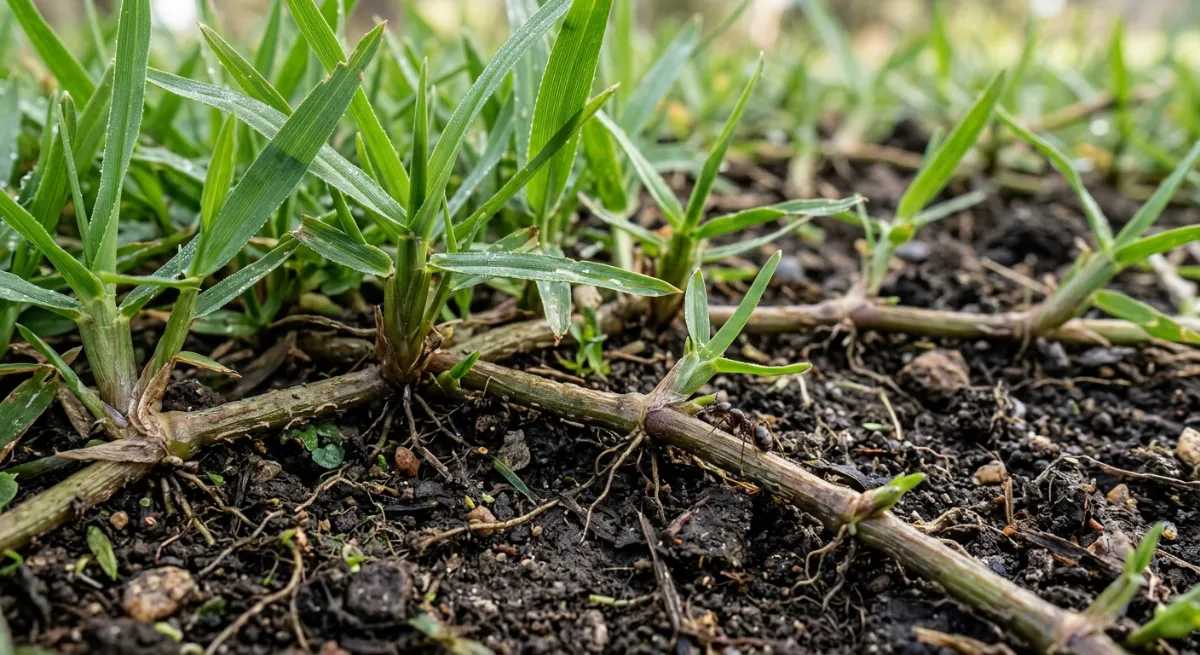
Kikuyu grass, in particular, thrives in these warm, moist, coastal environments. It spreads rapidly via creeping above-ground stolons and tough underground rhizomes. If left unchecked for more than two weeks, these runners will aggressively invade garden beds, choke out delicate plants, and climb over concrete borders.
Because of this explosive growth potential, a monthly mowing schedule is simply not viable for most local sections. By the time four weeks have passed, the grass is often too tall for a standard mower to handle without stalling or tearing the blades. This makes Fortnightly Mowing Packages the absolute sweet spot for balancing section control and budget.
Kikuyu grass is a dominant species across Auckland. Because it spreads via tough underground runners, consistent edge trimming is mandatory to stop it from invading concrete paths and destroying wooden fences.
Turf Science Explained: The One-Third Mowing Rule and Grass Health
The golden rule of professional turf management is the one-third rule. This fundamental agronomic principle states that you should never remove more than one-third of the grass blade’s total height in a single mowing session. The leaf blade acts as the plant’s solar panel, absorbing vital sunlight to fuel photosynthesis.
When you cut off more than a third of the blade, you severely shock the plant. The grass is instantly forced to redirect all its stored energy into rapidly growing new leaves just to survive. This desperate recovery process starves the root system of essential nutrients.
Weak, shallow roots lead to a thin, patchy lawn that is highly susceptible to drought, invasive weeds, and fungal pests. Sticking to a strict 14-day cycle ensures you stay within the safe biological bounds of this crucial rule, promoting dense, healthy turf.
If you wait a full month between cuts, you will inevitably have to chop off half or even two-thirds of the grass height to get it looking neat again. This damaging practice exposes the tender crown of the grass plant to harsh sunlight and disease.
Cutting your grass too short in a desperate attempt to delay the next mow is a fatal error. Scalping damages the crown, encourages weed germination, and severely weakens the root system.
What is Typically Included in a Professional Fortnightly Mowing Package?
When you invest in a recurring maintenance plan, you are paying for far more than just a quick trim. A professional service is a comprehensive section management protocol designed to keep your property looking its absolute best year-round. It covers all the essential touchpoints of yard care.
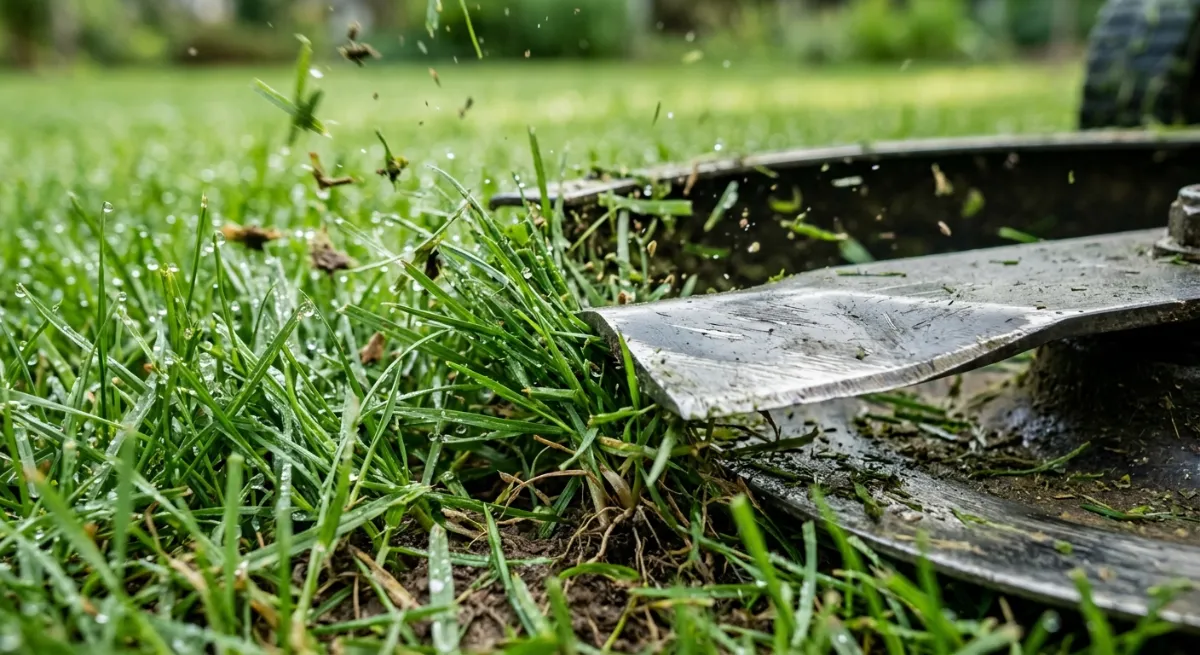
The primary component is the precision mowing of all grassed areas. Operators use commercial-grade mowers equipped with razor-sharp blades to ensure a clean, surgical cut rather than a ragged tear. This level of precision prevents disease from entering the frayed ends of the grass.
- Precision Mowing: Cutting the grass to the optimal seasonal height using sharpened commercial blades.
- Edge Trimming: Detailed weed-eating along fences, retaining walls, and concrete borders to maintain sharp lines.
- Green Waste Removal: Collecting and disposing of all clippings so the turf can breathe and absorb sunlight.
- Hard Surface Blowing: Clearing driveways, footpaths, and patios of any stray dirt or organic debris.
Edge trimming is a critical inclusion, especially in regions dominated by creeping grasses. Technicians use specialized line trimmers to clean up the borders, stopping runners from climbing over curbs. This meticulous attention to detail is what separates a rushed DIY job from a truly professional finish.
Before your scheduled visit, always do a quick sweep of the yard to remove dog toys, hoses, and large rocks. This prevents mower damage and ensures a perfectly even cut.
How Seasonal Growth Cycles Affect Your Fortnightly Lawn Care Plan
The local seasonal shifts dictate the rhythm and focus of your lawn’s growth cycle. During the explosive spring flush, warming soil temperatures and abundant rain cause grass to grow at an astonishing rate. In these peak months, a 14-day schedule is the absolute maximum time you can wait before the lawn becomes unruly.
As the harsh, dry summer sets in, grass growth naturally slows down as the plant goes into a state of semi-dormancy to conserve water. During this time, the focus of the fortnightly visit shifts from pure volume reduction to protective health maintenance. The mower deck is raised to leave the grass slightly longer.
When winter arrives, heavy clay soils often become deeply waterlogged. Mowing during torrential downpours can severely damage the turf structure and leave muddy ruts in the yard. A professional package adapts to these conditions by timing cuts during brief dry windows and focusing heavily on edge maintenance.
Ultimately, a dynamic 14-day plan flexes with the seasons as part of our Seasonal Lawn Care Plans. You receive aggressive growth management in the spring, protective height adjustments in the summer, and careful, low-impact tidying during the wet winter months.
Case Study: Choosing the Right Recurring Plan for Your Property and Budget
Meet Sarah, a property investor managing a portfolio of three residential rentals in the suburbs. Like many landlords, Sarah previously relied on her tenants to maintain the lawns, which often resulted in severe neglect. When the grass grew knee-high, she had to hire expensive emergency contractors for heavy-duty section clearing.
Tired of the constant stress and council warning letters, Sarah decided to standardize her property maintenance. She analyzed the costs of weekly services but found them too expensive to justify across multiple properties. Monthly services were cheaper, but they allowed the aggressive grass to invade the driveways between visits.
The solution was implementing Fortnightly Mowing Packages across her entire portfolio. This 14-day rhythm kept the properties looking sharp for neighborhood inspections and prevented the grass from ever reaching an unmanageable height. It also eliminated the friction of arguing with tenants over yard work responsibilities.
More importantly, it provided predictable, flat-rate invoicing that she could easily factor into her annual property management budget. By choosing the middle ground, Sarah optimized her expenses while drastically improving the curb appeal and long-term value of her real estate assets.
To help your lawn recover from the stress of cutting, give it a deep watering the morning after your scheduled service. This promotes deep root growth and faster healing.