First impressions matter immensely in the corporate world. When a prospective tenant or customer pulls into an office park or retail strip, the exterior environment sets the immediate tone for their experience. Overgrown edges, weed-infested garden beds, and untidy pathways signal neglect and poor management.
Conversely, a meticulously maintained exterior communicates professionalism, safety, and attention to detail. Securing this level of consistent quality requires more than a casual phone call to a local mower. It demands a structured Commercial Consultation Booking to align property needs with expert service delivery.
Key Takeaways
A Commercial Consultation Booking establishes a customized, budget-friendly grounds maintenance strategy for your business property. It involves assessing site-specific requirements, identifying hazards, and creating precise Service Level Agreements (SLAs) to ensure reliable upkeep that enhances curb appeal and protects your commercial real estate investment.
What to Expect During a Commercial Consultation Booking for Grounds Maintenance
Many property managers mistakenly treat commercial lawn care as a simple, transactional purchase. They assume a quick drive-by quote is sufficient to manage a sprawling industrial complex or a busy retail center. However, professional grounds maintenance requires a far more analytical and customized approach.
Initiating a formal Commercial Consultation Booking ensures that every square meter of your property is evaluated for its unique horticultural and operational needs. During this initial assessment, a dedicated operations manager will physically walk the site alongside you. They will identify high-traffic zones that require more frequent mowing and low-visibility areas where maintenance can be scaled back to save costs.
During your consultation, the assessor will evaluate several critical property elements:
- Turf health, including soil compaction and drainage issues.
- Overgrown boundary hedges that may obstruct security cameras or lighting.
- Green waste accumulation zones and disposal logistics.
- Hardstand areas requiring chemical or manual weed control.
This strategic mapping prevents you from overpaying for unnecessary services while maximizing visual impact. It also ensures that critical aesthetic zones, like main corporate entrances and client parking lots, remain pristine year-round. Data shows that the demand for structured, professional grounds management is rising rapidly across the commercial sector.
According to industry surveys, the percentage of commercial property managers completely outsourcing their lawn care has grown significantly over the past five years. This shift highlights a growing recognition that specialized contractors deliver better reliability and cost predictability. Beyond just cutting grass, the consultation covers green waste management, seasonal weed control, and precise edge definition.
The assessor will look closely at the health of your turf, noting areas of poor drainage or soil compaction. By addressing these foundational issues early, you avoid expensive restorative landscaping work down the line. A thorough consultation ultimately transforms your outdoor spaces from a maintenance liability into a valuable corporate asset.
Comparison Matrix: Standard Lawn Care vs. Dedicated Commercial Maintenance Plans
Understanding the difference between residential mowing and commercial grounds management is crucial for body corporates and landlords. Standard lawn care is typically reactive, focusing solely on keeping the grass at a manageable height during peak growing seasons. In contrast, commercial maintenance is highly proactive, governed by strict schedules and regulatory compliance requirements.
When you arrange a Commercial Consultation Booking, you are essentially negotiating a long-term operational partnership. Commercial providers utilize heavier, more efficient machinery designed to handle large-scale sections without causing turf damage. They also carry comprehensive liability insurance tailored specifically for public and corporate environments.
| Service Feature | Standard Residential Mowing | Commercial Grounds Maintenance |
|---|---|---|
| Primary Focus | Basic visual aesthetics and length reduction | Safety compliance, asset protection, and brand image |
| Scheduling | Flexible, often weather-dependent and informal | Strict Service Level Agreements (SLAs) with quiet hours |
| Equipment Used | Lightweight push mowers and standard line trimmers | Commercial-grade ride-ons, heavy-duty edgers, and blowers |
| Administration | Ad-hoc payments or cash transactions | Consolidated monthly billing with photographic proof of work |
This structured approach is particularly vital for properties in regions with unpredictable climates, where rapid spring growth can quickly overwhelm a site. Commercial crews are equipped to handle these seasonal surges without missing a scheduled visit. They provide absolute peace of mind for hands-off landlords who cannot be on-site to monitor the work.
Step-by-Step Protocol for Scheduling Your Commercial Property Assessment
Booking a professional assessment for your commercial grounds should be a seamless, low-friction process. The first step involves submitting basic property details, such as the total land area and the primary use of the facility. This preliminary data allows the assessing team to prepare relevant mapping tools before they even arrive on-site.
Once the initial data is reviewed, a mutually convenient time is scheduled for the physical walk-through. It is highly recommended that the lead property manager or body corporate representative attends this meeting in person. Having decision-makers present ensures that all specific pain points, such as previous contractor failures, are clearly communicated.
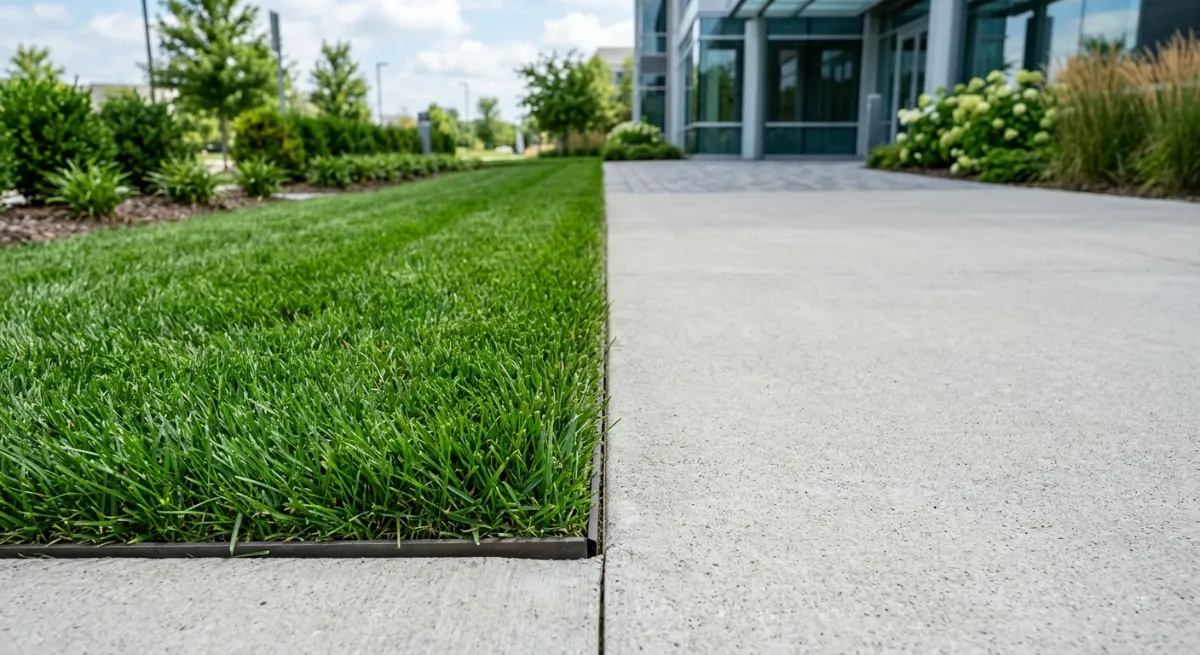
During the site visit, the assessor will measure the exact square meterage of the turf, garden beds, and hardstand areas. They will also identify any potential health and safety hazards, such as steep embankments, hidden debris, or poor sightlines near driveways. This rigorous hazard identification is a mandatory component of modern commercial property management.
After the physical inspection, the data is compiled into a comprehensive, transparent proposal. This document will outline the recommended service frequency, the scope of work, and a clear, itemized pricing structure. There should be absolutely no hidden franchise fees or unexpected surcharges in a professional commercial quote.
Pre-Consultation Checklist: Preparing Your Property Data for an Accurate Quote
To maximize the value of your site assessment, it pays to be exceptionally prepared. Gathering the right documentation beforehand allows the assessor to provide a highly accurate and competitive proposal. Vague requirements often lead to inflated quotes, as contractors must price in the risk of the unknown.
Gather your site boundary maps, previous maintenance invoices, and a list of specific tenant complaints regarding the grounds. Having this data ready ensures the new proposal directly addresses your current operational shortfalls.
You should also have a clear understanding of your annual grounds maintenance budget. Being transparent about your financial constraints allows the assessor to tailor a package that delivers the best visual impact without overspending. For example, they might suggest reducing the frequency of hedge trimming to allocate more funds toward crucial winter weed control.
Finally, consider any access restrictions your property might have. Locked gates, secure parking areas, or restricted facility hours must be factored into the logistical planning. Clear communication regarding access ensures that the maintenance crews can operate efficiently without disrupting your staff or tenants.
Establishing Service Level Agreements (SLAs) During the Commercial Consultation
The cornerstone of any successful commercial grounds contract is a robust Service Level Agreement (SLA). An SLA clearly defines the expected standards of performance, removing any subjectivity from the quality of the work. During your Commercial Consultation Booking, these specific metrics must be negotiated and documented in detail.
Typical SLAs for lawn care dictate the maximum allowable grass height between cuts and the required clearance for pathways. They also stipulate the response times for ad-hoc requests, such as emergency storm debris removal or pre-event tidy-ups. Having these parameters in writing protects the property owner from substandard, inconsistent service mentalities.
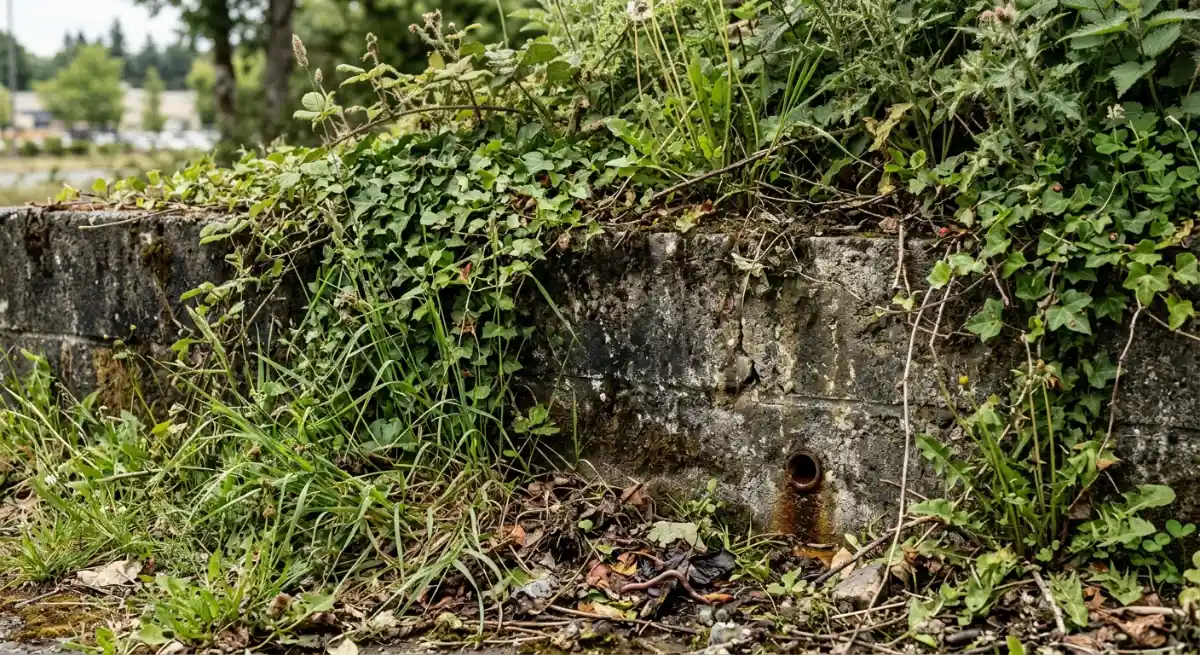
Furthermore, SLAs should outline the communication protocols for weather-related delays. In regions with unpredictable climates, heavy rain can occasionally disrupt mowing schedules. A professional SLA will require the contractor to proactively notify the property manager of any delays and automatically schedule a make-up visit.
Never accept a commercial maintenance contract that lacks specific performance metrics. Without documented SLAs, you have no recourse if the contractor begins skipping edges, leaving green waste on-site, or missing scheduled visits.
Navigating Health and Safety Compliance on Commercial Sites
Modern commercial properties are bound by strict health and safety regulations. When vetting a grounds maintenance provider, their adherence to safety protocols is just as important as their horticultural skills. A comprehensive consultation will always include a dedicated discussion regarding on-site safety and hazard mitigation.
A compliant commercial grounds provider will typically supply the following documentation before commencing work:
- Site-specific Job Safety Analyses (JSAs) for all heavy machinery use.
- Proof of comprehensive public liability insurance.
- Standard Operating Procedures (SOPs) for chemical weed spraying and handling.
- Traffic management plans for working near busy driveways or pedestrian crossings.
Professional contractors will ensure that their crews wear appropriate high-visibility gear and utilize proper signage when working near pedestrian zones. This proactive approach to safety shields the property owner from liability in the event of an accident.
Always request a copy of the contractor’s public liability insurance and health and safety policy during the consultation phase. Reputable providers will have these documents readily available for your records.
Case Study: How Strategic Grounds Consultation Minimizes Business Disruption
Consider a busy corporate office park that was constantly fielding complaints from tenants regarding the disruptive noise of lawnmowers during morning meetings. The previous contractor operated on a rigid, inflexible schedule that prioritized their own route efficiency over the tenants’ comfort. This friction was beginning to impact lease renewal discussions.
The property manager initiated a new consultation to address this specific operational challenge. During the site walk-through, it was determined that the heavy machinery work could be safely completed before 8:00 AM. The quieter tasks, such as manual weeding and green waste removal, were scheduled for the mid-morning hours.
Always discuss quiet hours during your site assessment. Professional crews can sequence their tasks to ensure noisy brush-cutters and blowers are used only when foot traffic and office occupancy are at their lowest.
This simple logistical adjustment, documented in the new SLA, completely eliminated tenant complaints. The property maintained its pristine, professional appearance without compromising the productivity of the businesses operating within it. This scenario perfectly illustrates why a customized approach is vastly superior to a generic, one-size-fits-all lawn care service.