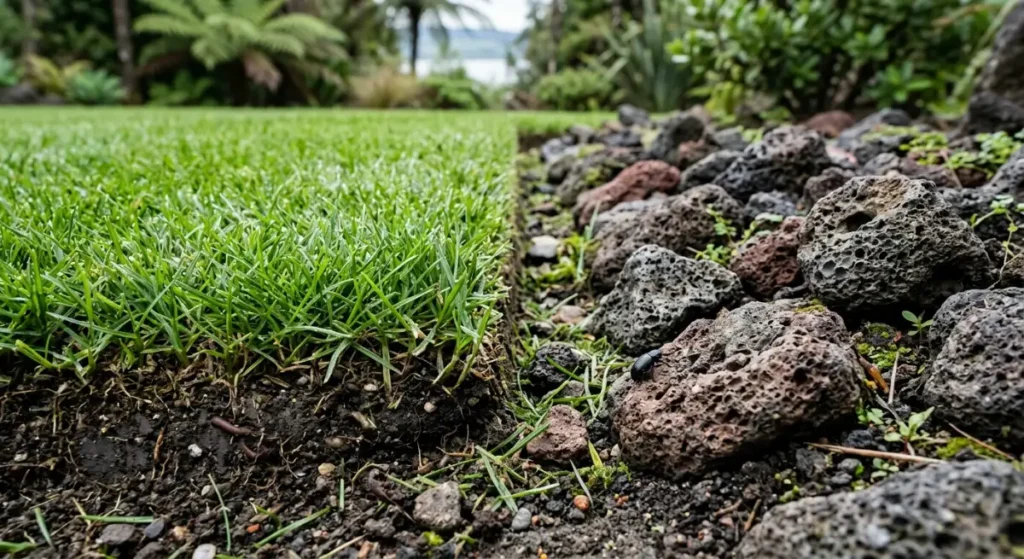
A lush, well-maintained lawn is the crowning feature of any classic Auckland property. However, keeping that grass pristine amidst unpredictable weather and heavy clay soils is a constant battle for busy homeowners. For those living in the inner-city suburbs, finding reliable Ponsonby lawn mowing services often feels like an impossible task.
Contractors frequently overpromise, miss scheduled appointments, or leave messy clippings scattered across the driveway. It is a frustrating cycle that leaves your property looking unkempt and drains your precious weekend hours. Busy professionals and house-proud homeowners deserve a service that operates with absolute transparency and consistency.
When you understand the unique horticultural challenges of the inner-west, maintaining a pristine yard becomes much simpler. From managing aggressive Kikuyu runners to navigating the narrow side-access of century-old villas, specialized local knowledge is essential. This comprehensive guide breaks down everything you need to know about professional lawn care in the area.
Key Takeaways
The standard cost for Ponsonby lawn mowing ranges from $45 to $75 per visit for typical residential sections. Due to Auckland’s fast-growing Kikuyu grass and heavy seasonal rainfall, a fortnightly mowing schedule is highly recommended to maintain optimal turf health and prevent costly overgrown restoration fees.
Quick Answer: What is the Standard Rate and Schedule for Ponsonby Lawn Mowing?
Understanding local pricing structures is the first step to securing reliable property maintenance. The cost of professional Ponsonby lawn mowing typically ranges between $45 and $75 per visit for a standard residential property. Larger sections or overgrown yards requiring intensive restoration can push initial costs upwards of $95 to $160.
Because inner-city sections vary wildly in size, gradient, and accessibility, most reliable operators prefer to quote based on total square meterage rather than a flat hourly rate. This transparent approach ensures you only pay for the exact dimensions of your yard. It eliminates the anxiety of open-ended hourly billing.
Auckland’s subtropical climate means grass growth rates fluctuate dramatically throughout the year. During the humid spring and summer months, a fortnightly schedule is the absolute minimum requirement to prevent the turf from becoming unmanageable. In the cooler winter period, mowing frequency can often be extended to every three or four weeks without issue.
Booking a recurring maintenance plan is generally cheaper over the year than requesting one-off cuts. Regular mowing prevents the grass from overgrowing, which helps you avoid the heavy “restoration” fees associated with jungle-like yards.
Comparison Matrix: Fortnightly vs. Weekly Property Maintenance in Inner-West Auckland
Choosing the right frequency for your property depends heavily on your aesthetic goals and the specific grass species planted in your yard. Landlords and busy professionals often have different priorities when it comes to yard care.
A weekly schedule provides a manicured, golf-course appearance but requires a higher budget. Conversely, a fortnightly schedule strikes the perfect balance between cost-efficiency and neatness, making it the most popular choice for everyday Kiwi families.
| Maintenance Frequency | Best Suited For | Pros | Cons |
|---|---|---|---|
| Weekly | High-end residential, commercial storefronts | Immaculate appearance, zero weed seeding, pristine edges | Higher monthly cost, unnecessary during dry winter months |
| Fortnightly | Standard residential, busy homeowners, landlords | Budget-friendly, prevents overgrowth, maintains solid street appeal | Grass may look slightly shaggy right before the next scheduled cut |
| Monthly / One-Off | End of tenancy clean-ups, pre-sale preparation | No ongoing commitment, great for sudden property inspections | Highest per-visit cost, risks damage to the turf’s root system |
Managing Ponsonby Grass Types: Best Practice Turf Heights for Auckland Clay Soils
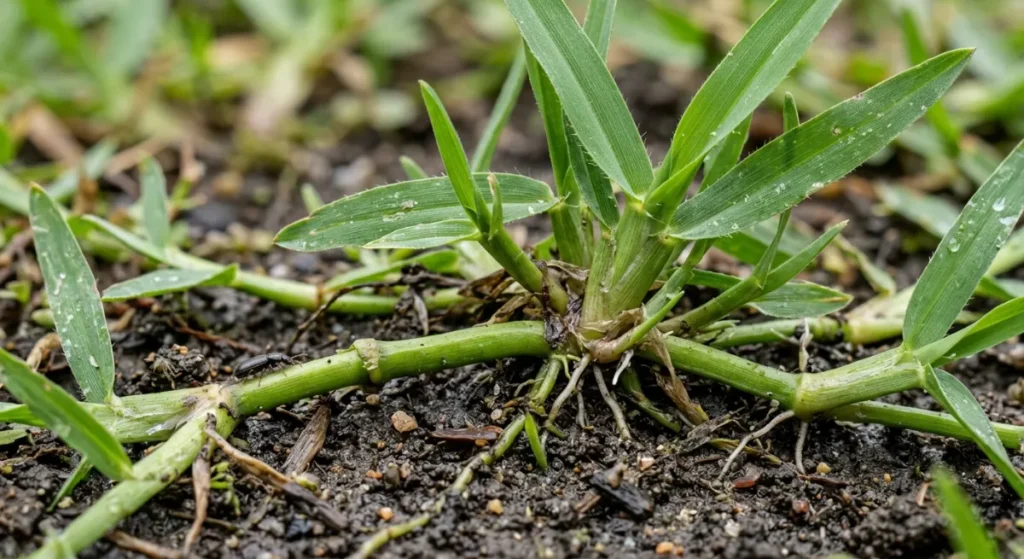
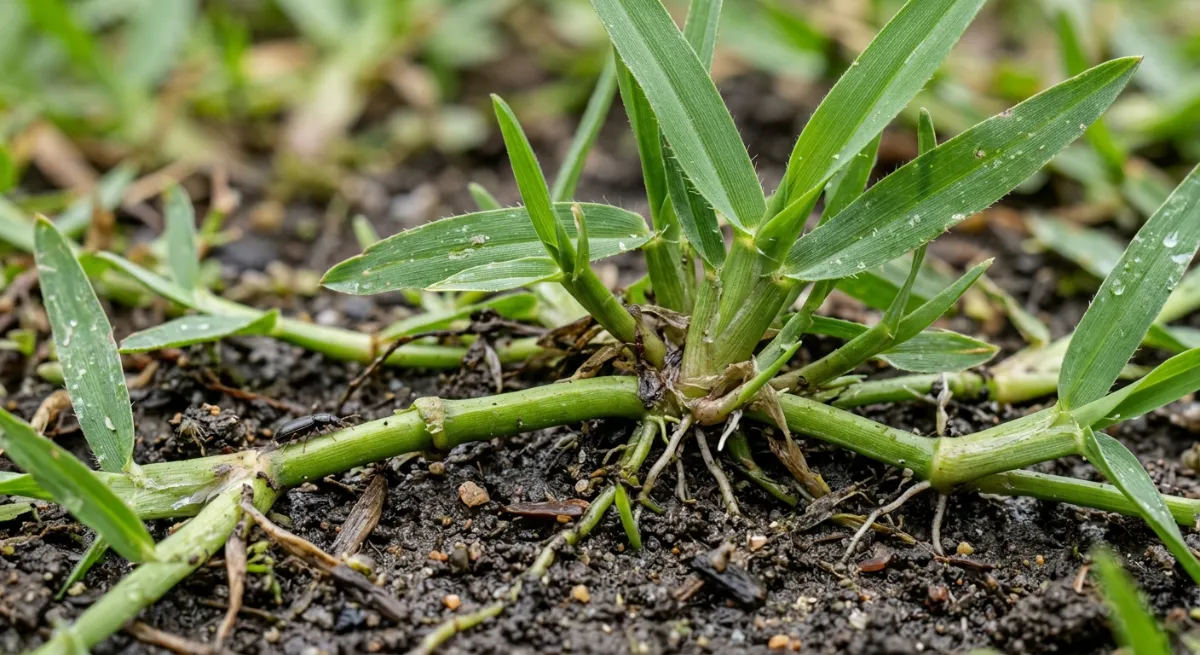
Auckland’s heavy clay soils present unique drainage and compaction challenges for residential turf. The dominant grass species in the region is Kikuyu, a highly aggressive, runner-based grass that thrives in the humid northern climate.
While Kikuyu is incredibly drought-tolerant, it requires strict height management to prevent it from choking out garden beds and creeping over concrete pathways. The optimal mowing height for established Kikuyu in Auckland is between 25mm and 40mm. Maintaining this height ensures the broad leaves can photosynthesize efficiently.
Cutting the grass too short—a practice known as “scalping”—exposes the sensitive soil underneath to scorching summer heat. This rapidly dries out the clay base, leading to deep surface cracks and widespread turf stress. Conversely, leaving the grass too long encourages fungal diseases during Auckland’s notoriously wet winters.
Understanding the local rainfall patterns is critical for timing your lawn care. Heavy downpours in the winter months dramatically change how the soil responds to mower wheels and foot traffic.
Overcoming Historic Villa Challenges: Narrow Section Access and Shaded Lawns
The architectural charm of the inner-west comes with distinct logistical hurdles for property maintenance. Many historic properties sit on subdivided lots with exceptionally narrow side access. This makes routine maintenance far more complex than in modern subdivisions. Proper care often requires a combination of lawn care and Seasonal Garden Pruning to keep boundaries clear.
Standard commercial ride-on mowers simply cannot fit down these tight corridors. This requires operators to use specialized, heavy-duty push mowers and precision weed-eaters to navigate the property. Extreme care must be taken to avoid damaging heritage weatherboards, delicate garden borders, or low-hanging eaves.
Furthermore, the close proximity of neighboring houses and high boundary fences creates deep, permanent shade pockets. Grass varieties like Ryegrass and Fine Fescue struggle in these low-light environments, often thinning out and allowing broadleaf weeds to take over. Proper weed control and targeted overseeding are critical in these heavily shaded zones.
Heavy foot traffic or heavy machinery in shaded, damp areas of your yard will quickly compact the clay soil. This suffocates the grass roots and promotes the rapid growth of slippery moss and invasive winter weeds.
Expert Step-by-Step Guide to Restoring Overgrown Kikuyu and Ryegrass Sections
When a property has been neglected, bringing the turf back to a manageable state requires a highly methodical approach. Simply hacking the grass down to the dirt in a single pass will severely damage the root system. It will ruin the lawn’s aesthetic for months and invite weed infestations.
If you are dealing with an overgrown section—perhaps after a long winter or at the end of a difficult tenancy—follow this professional restoration process to ensure the turf survives the transition.
- Assess and Clear Debris: Before any machinery is started, the entire section must be walked and cleared of hidden rocks, thick branches, and stray rubbish that could damage mower blades.
- The First High Pass: The mower deck must be set to its absolute highest setting. This removes the top canopy of the overgrown grass without shocking the lower, light-starved stems.
- Wait and Recover: Allow the grass to rest for three to five days. This gives the plant vital time to recover from the initial stress and redirect its energy into the remaining blades.
- The Second Reduction Cut: Lower the mower deck by one or two notches and perform a second cut. Continue this gradual reduction process over several weeks until the optimal 25mm to 40mm height is achieved.
- Edge Definition: Use a commercial weed-eater to carve out sharp, clean edges along concrete pathways, wooden decks, and garden beds to restore immediate street appeal.
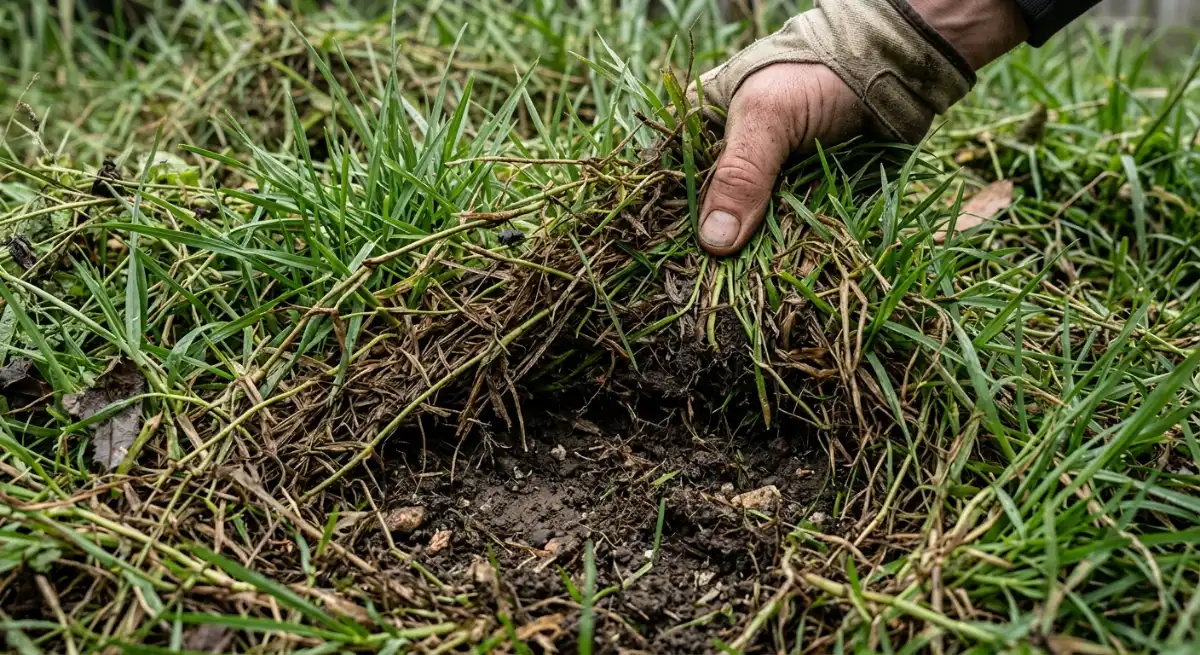
- Green Waste Removal: Rake up and entirely remove all heavy thatch and clippings. Leaving massive piles of cut grass on the lawn will suffocate the living turf underneath and cause dead patches.
Horticultural best practice dictates that you should never remove more than one-third of the grass blade’s total length in a single mowing session. This fundamental rule prevents extreme physiological stress to the plant.
Essential Quality Checklist for Selecting a Reliable Local Lawn Care Operator
Not all lawn care providers operate with the same level of integrity, skill, or consistency. The industry is unfortunately filled with “blow-and-go” operators who rush through jobs and leave messy edges. Even worse, many frequently fail to show up on their scheduled days without any communication.
When evaluating a provider for Ponsonby lawn mowing, you need a team that acts as a reliable partner in your property’s upkeep. Look for distinct markers of professionalism and accountability before agreeing to a recurring service plan. The right provider will save you hours of frustration.
A premium local operator operates on a foundation of absolute reliability and owner-backed quality control. Learn more About Auckland Lawns and how our dedicated full-time teams ensure that every property receives meticulous attention to detail. This means clean pathways, perfectly weed-eaten borders, and a proactive approach to weather delays.
Always verify that your chosen provider guarantees their scheduled turn-up days, includes complete green waste removal in their quote, and is fully insured against accidental property damage.
Value-first pricing means that professional property maintenance should not be an exclusive luxury reserved for the wealthy. Budget-friendly rates allow everyday homeowners, landlords, and body corporates to maintain pristine street appeal. You should never have to deal with hidden surcharges or inflated franchise fees.
The ultimate goal is always no-friction communication. You want clear quotes, reliable service, and a beautiful lawn you never have to worry about. When you hire true professionals, you are buying back your weekends and protecting the value of your real estate asset.