South Auckland is far more than just a geographic boundary on a map. It is a vibrant, rapidly expanding region characterized by diverse communities, rich volcanic history, and unique environmental conditions.
Home to an estimated population of over 379,400 residents, this area plays a crucial role in the broader landscape of New Zealand’s largest city. From sprawling residential neighborhoods to lush public reserves, the region offers a dynamic mix of urban and semi-rural living.
However, maintaining properties in this specific microclimate presents distinct challenges. Homeowners and property managers must navigate high humidity, heavy rainfall, and notoriously dense soil profiles to keep their outdoor spaces thriving.
Understanding the unique environmental blueprint of South Auckland is the first step toward effective, long-term property care. By tailoring maintenance routines to local conditions across our Service Areas, you can cultivate resilient, healthy landscapes year-round.
Key Takeaways
South Auckland features diverse suburbs built on heavy clay soils like Patumahoe and Hamilton clay loams. Property maintenance requires managing fast-growing Kikuyu grass during humid summers and mitigating waterlogged turf in winter. Understanding these local microclimates is essential for maintaining healthy, resilient lawns year-round.
What is South Auckland? Geographic Boundaries and Local Identity
Situated south of the Auckland isthmus and bordered by the eastern shores of the Manukau Harbour, this expansive region is a cornerstone of the city’s growth. It encompasses a wide variety of landscapes, from bustling urban centers to quiet, semi-rural lifestyle blocks.
The area is culturally rich, boasting one of the most diverse demographic profiles in New Zealand. This diversity is reflected in the housing styles, which range from mid-century state housing developments to modern, high-density townhouses and sprawling estates.
For property owners, this geographic variety means that a one-size-fits-all approach to landscaping simply does not work—much like how properties in the North Shore or West Auckland face their own unique climate challenges. A property located near the coastal breezes of Māngere will require vastly different care than a sheltered lifestyle block in Pukekohe.
As urban development continues to push southward, the density of housing is increasing. This shift makes efficient, reliable property maintenance more critical than ever for preserving neighborhood street appeal and property values.
Key Suburbs of South Auckland: A Comparative Property, Soil, and Section Size Matrix
To truly understand the landscaping and maintenance needs of the region, we must look at its individual suburbs. Each district possesses a unique microclimate and geological foundation.
For example, areas further south like Pukekohe benefit from ancient volcanic activity, providing rich, fertile ground. Conversely, central suburbs like Manurewa are built upon dense, challenging clay bases.
The table below outlines the primary characteristics of four major suburbs. This data helps homeowners and landlords anticipate their seasonal outdoor maintenance challenges.
| Suburb | Typical Section Profile | Dominant Soil Type | Primary Maintenance Challenge |
|---|---|---|---|
| Manurewa | Mixed residential, established trees | Heavy clay loam | Winter drainage issues and moss control |
| Papakura | Larger suburban sections, lifestyle edges | Patumahoe clay loam | Fast summer Kikuyu grass growth |
| Māngere | Flat, coastal-influenced sections | Volcanic and clay mix | Soil compaction from high foot traffic |
| Pukekohe | Semi-rural, large lifestyle properties | Rich volcanic loam | Aggressive weed control in nutrient-dense soil |
Soil Profiles and Turf Types Across South Auckland Districts
The foundation of any healthy outdoor space is its soil. In this region, the dominant earth profiles include Patumahoe clay loam, Hamilton clay loam, and Whangamaire clay loam.
These heavy clay soils are notorious for their extreme seasonal behavior. During the wet winter months, the microscopic clay particles bind tightly together, preventing water from draining away. This creates waterlogged, boggy lawns that suffocate grass roots.
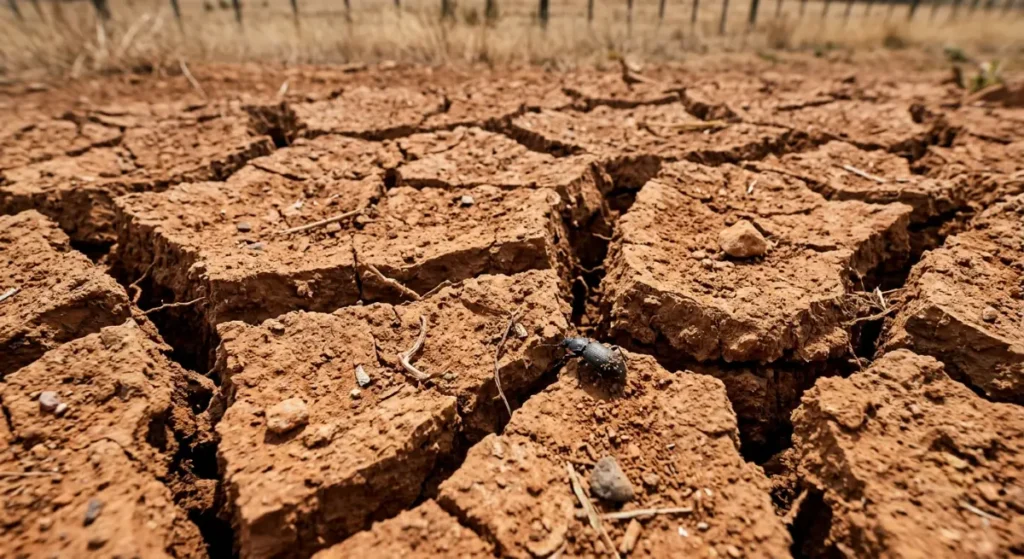
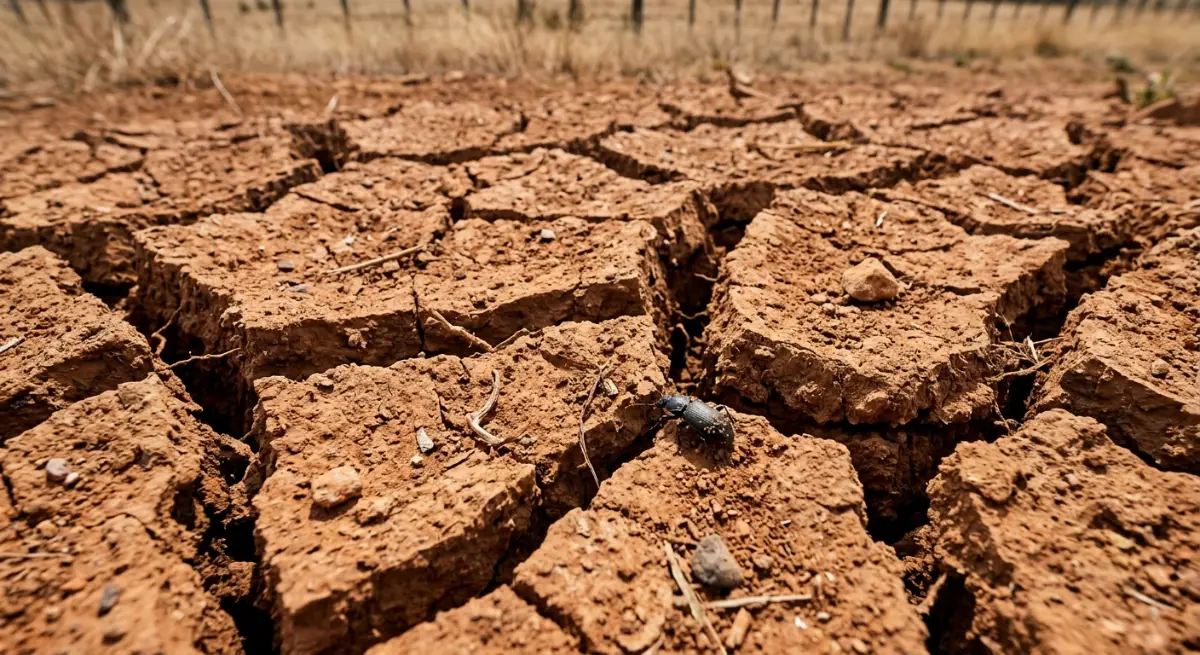
Conversely, when the harsh summer sun bakes the ground, these same soils shrink and fracture. Deep surface cracks appear, tearing delicate grass roots and making the ground feel like concrete.
Despite its poor drainage, clay soil is incredibly nutrient-dense. If you can improve its structure through aeration and organic matter, it will support incredibly lush, green turf.
Seasonal Property Maintenance: Managing Fast-Growing Kikuyu Grass
Because of the unique soil and climate conditions, Kikuyu grass has become the dominant turf variety across South Auckland. This robust, subtropical grass thrives in heat and humidity.
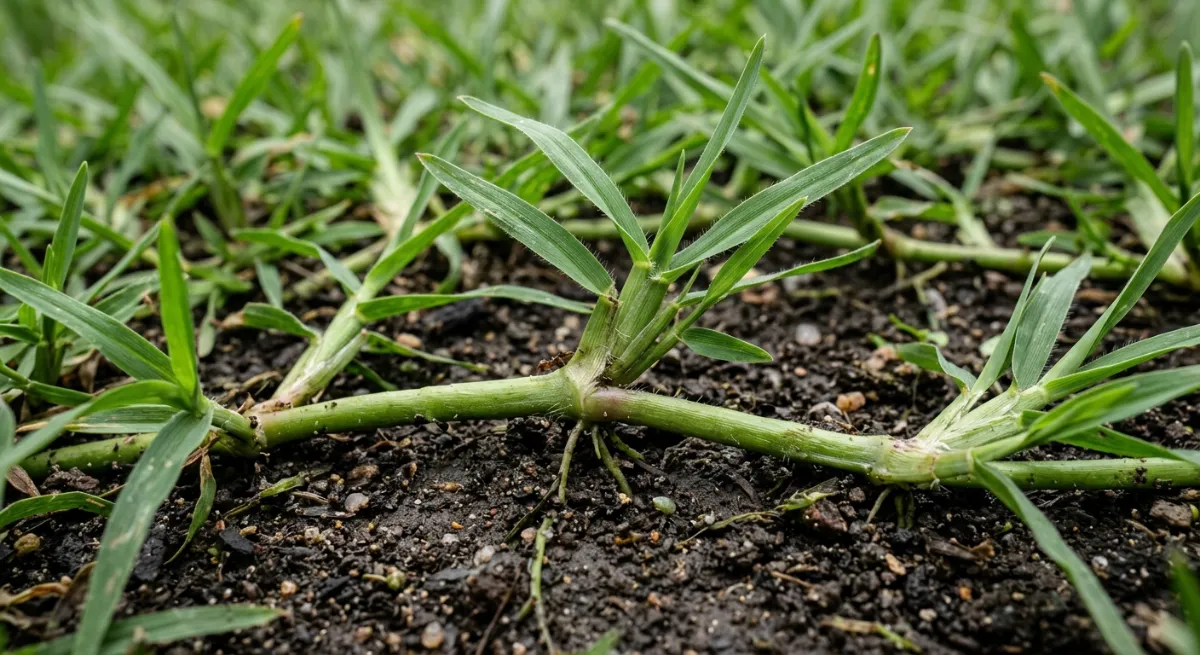
Kikuyu spreads rapidly via thick above-ground runners (stolons) and below-ground stems (rhizomes). While this makes it incredibly resilient to heavy foot traffic, it also means it can quickly invade garden beds and concrete pathways if left unchecked.
The region’s rainfall patterns heavily influence this growth cycle. As the chart below demonstrates, steady precipitation combined with warm temperatures creates a greenhouse effect that accelerates turf expansion.
Auckland receives an average of 133 mm of rain during its wettest month of July, while summer months average between 66 mm and 75 mm. This reliable year-round moisture ensures that lawns rarely die off completely, but rather require constant, scheduled management.
Best Practice Mowing and Care Schedules for South Auckland Summers
Implementing a robust lawn maintenance routine is the only way to keep aggressive Kikuyu turf looking neat and professional. The golden rule of mowing this specific grass type is to never remove more than one-third of the leaf blade at a time.
During the peak growing season from November to March, fortnightly mowing is the absolute minimum requirement. For properties aiming for a premium aesthetic, weekly cuts are highly recommended to prevent the grass from becoming “spongy” underfoot.
Cutting Kikuyu too short (scalping) exposes the soil to direct sunlight, accelerating moisture evaporation and creating ideal conditions for broadleaf weeds to germinate.
Edge trimming (or weed-eating) is equally important. Because Kikuyu sends out thick runners, sharp, defined edges along driveways and garden borders are essential for maintaining a clean, manicured appearance.
In addition to regular mowing, managing green waste is a critical component of local property care. Leaving thick clumps of wet grass clippings on the lawn will suffocate the turf below, leading to unsightly yellow patches and fungal diseases.
Public Parks, Botanic Gardens, and Green Spaces in South Auckland
The region is not only defined by its residential blocks; it is also home to some of the most spectacular public green spaces in the country. These parks serve as the “green lungs” of the community.
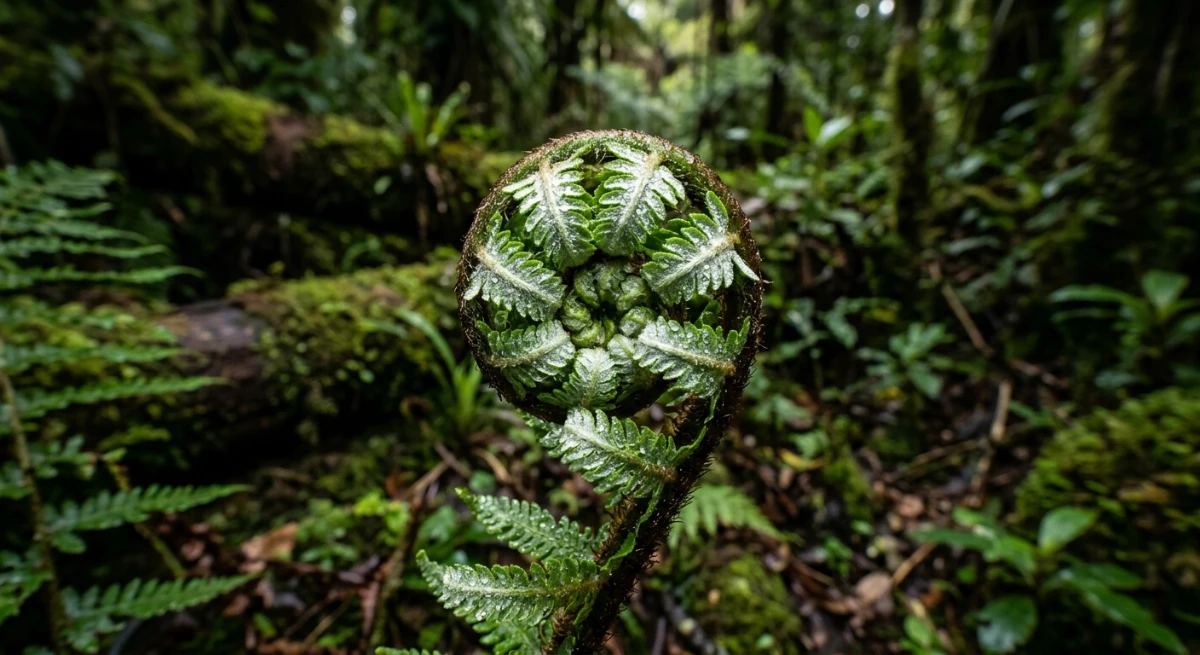
The crown jewel is undeniably the Auckland Botanic Gardens, located in Manurewa. Covering an impressive 64 hectares, this expansive facility includes 10 hectares of protected native forest.
Attracting over one million visitors annually, the gardens feature diverse collections ranging from the Potter Children’s Garden to exotic African plant displays. It is a living masterclass in how to cultivate plants successfully in the local climate.
For local homeowners, observing how the Botanic Gardens manage their sprawling lawns and garden beds offers invaluable insights. Their use of thick mulch to suppress weeds and retain soil moisture is a strategy every property owner should emulate.
Other notable green spaces, such as Totara Park, provide extensive walking trails and showcase the beauty of well-maintained, large-scale landscapes. These areas highlight the potential of the region’s soil when managed correctly.
Expert Tips: Overcoming Heavy Clay Soils for a Healthy Lawn
Transforming a boggy, clay-heavy yard into a lush, usable outdoor space requires patience and the right techniques. The primary goal is to improve the soil’s structure so that water can drain freely and roots can breathe.
Core aeration is the most effective mechanical treatment for compacted clay. By extracting small plugs of soil from the ground, you instantly relieve compaction and create channels for oxygen and nutrients to reach the root zone.
The best time to aerate your lawn is during the active growing seasons of spring or early autumn, allowing the turf to recover quickly from the mechanical stress.
Following aeration, applying agricultural gypsum is highly recommended. Gypsum works chemically to break down the dense bonds between clay particles, slowly improving the soil’s friability over several seasons.
Finally, topdressing the lawn with a specialized sand and compost mix will help fill the aeration holes with porous material. This introduces vital organic matter, encouraging earthworm activity which naturally tills and improves the soil profile over time.
Schedule core aeration annually. Apply gypsum at the manufacturer’s recommended rate. Topdress with a light compost layer. Maintain a consistent mowing schedule to encourage deep root growth.