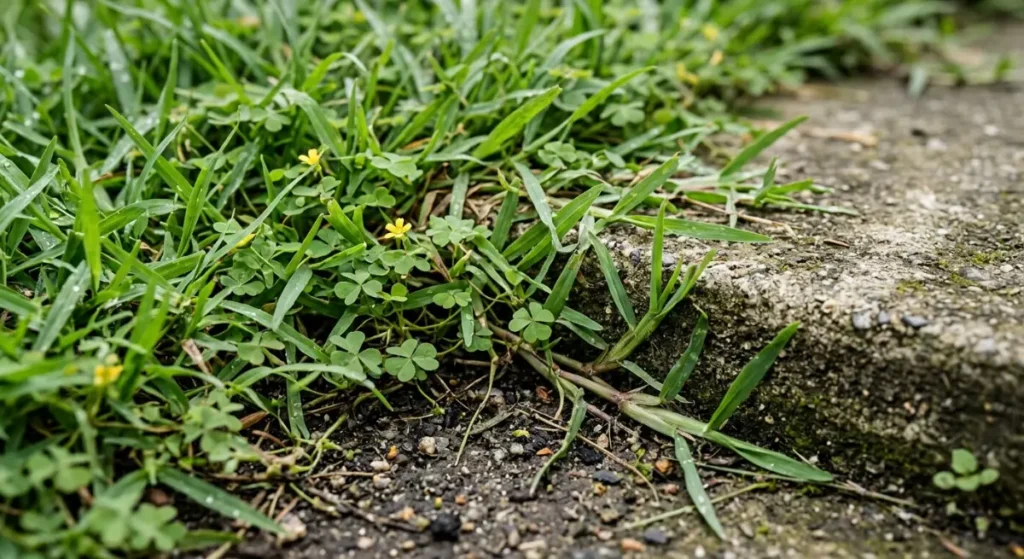
Maintaining a pristine section in South Auckland requires more than just firing up a mower on a Saturday morning. The unique combination of heavy clay soils, humid subtropical weather patterns, and vigorous grass varieties makes property maintenance a distinct challenge. For property owners and landlords, keeping the grass under control can quickly become a relentless chore.
When you factor in the fast-growing nature of local turf, professional Manukau lawn mowing becomes an essential service rather than a luxury. The region’s climate dictates a very specific approach to turf management. If you cut the grass too short during a dry spell, the clay soil bakes and cracks. If you leave it too long during the wet winter months, you risk fungal diseases and boggy patches.
Understanding the specific needs of your turf is the first step toward a worry-free yard. Whether you are managing a small residential section or a sprawling commercial frontage, applying the right techniques ensures a healthy, vibrant green space. This guide breaks down everything you need to know about mastering lawn mowing in Manukau, from optimal cutting heights to local green waste regulations.
Key Takeaways
For optimal Manukau lawn mowing, maintain Kikuyu grass at a height of 25-40mm to prevent scalping. Fortnightly schedules work best during the fast-growing spring and summer months. Expect average costs between $40 and $75 depending on section size, and remember that Auckland Council requires private green waste disposal.
What is the Best Lawn Mowing Schedule and Height for Manukau Properties?
The frequency of your mowing schedule should always be dictated by the season and the specific growth rate of your grass. In the Manukau region, the weather fluctuates between heavy winter downpours and humid, sticky summers. This means your turf’s growth cycle will experience massive peaks and valleys throughout the year.
A common mistake property owners make is sticking to a rigid, unchanging schedule regardless of the weather. During the peak spring growth phase, grass can easily double in height within a single week. Conversely, the cooler temperatures of July and August slow growth down to a crawl, requiring a much more conservative approach to cutting.
For most residential and commercial properties, a fortnightly schedule hits the perfect sweet spot during the active growing season. This frequency prevents the grass from becoming overgrown and unmanageable, which ultimately keeps your per-visit costs down. When grass is allowed to grow too long, the mower has to work harder, and the resulting excess clippings can smother the healthy grass below.
Seasonal Lawn Care Matrix: Grass Types, Cutting Heights, and Fortnightly Schedules in South Auckland
Different grass varieties demand different cutting heights to thrive. In New Zealand, adhering to the one-third rule is the golden standard for turf health. This rule states that you should never remove more than one-third of the grass blade’s total length in a single mowing session.
Cutting more than a third shocks the root system and leaves the soil vulnerable to weed invasion. For cool-season grasses like Ryegrass or Fescue, a cutting height of 30mm to 50mm is generally ideal. However, South Auckland lawns are predominantly populated by warmer-season varieties that require a slightly different approach to maintain their dense, carpet-like appearance.
As the rainfall data shows, the heavy precipitation in winter months means you must raise your mower blades. Leaving the grass slightly longer during these wet periods increases the surface area of the blades. This allows the grass to capture more of the limited winter sunlight for photosynthesis, keeping the root system robust even when the ground is saturated.
Navigating Manukau Clay Soils and Kikuyu Grass for a Healthier Lawn
If you live in South Auckland, there is a very high probability that your lawn consists primarily of Kikuyu grass. Kikuyu is an incredibly resilient, warm-season grass that thrives in coastal and northern New Zealand climates. It spreads rapidly via aggressive above-ground stolons and below-ground rhizomes.
While its aggressive growth makes it highly durable for kids and pets, it also makes Kikuyu grass maintenance a heavy-duty task. To keep Kikuyu looking its best, the ideal mowing height sits between 25mm and 40mm. Allowing it to grow much higher than this can result in a thick, spongy thatch layer that is difficult to walk on and even harder to cut.
Never cut Kikuyu grass down to the bare dirt (scalping) during the peak heat of summer. Removing too much of the protective leaf canopy exposes the shallow root system to direct sunlight, leading to severe heat stress, brown patches, and rapid weed infestation.
The underlying soil in Manukau further complicates turf management. The region is notorious for its heavy, dense clay soils. Clay particles are extremely fine and pack tightly together, which leads to poor drainage during the wet winter months and rock-hard surfaces during summer droughts.
Because clay soil drains slowly, mowing immediately after a heavy rainstorm is a recipe for disaster. Heavy mower wheels will compact the wet clay, squeezing out the essential oxygen that grass roots need to survive. Furthermore, the mower blades will tear the wet grass rather than cutting it cleanly, leaving jagged edges that are highly susceptible to fungal infections.
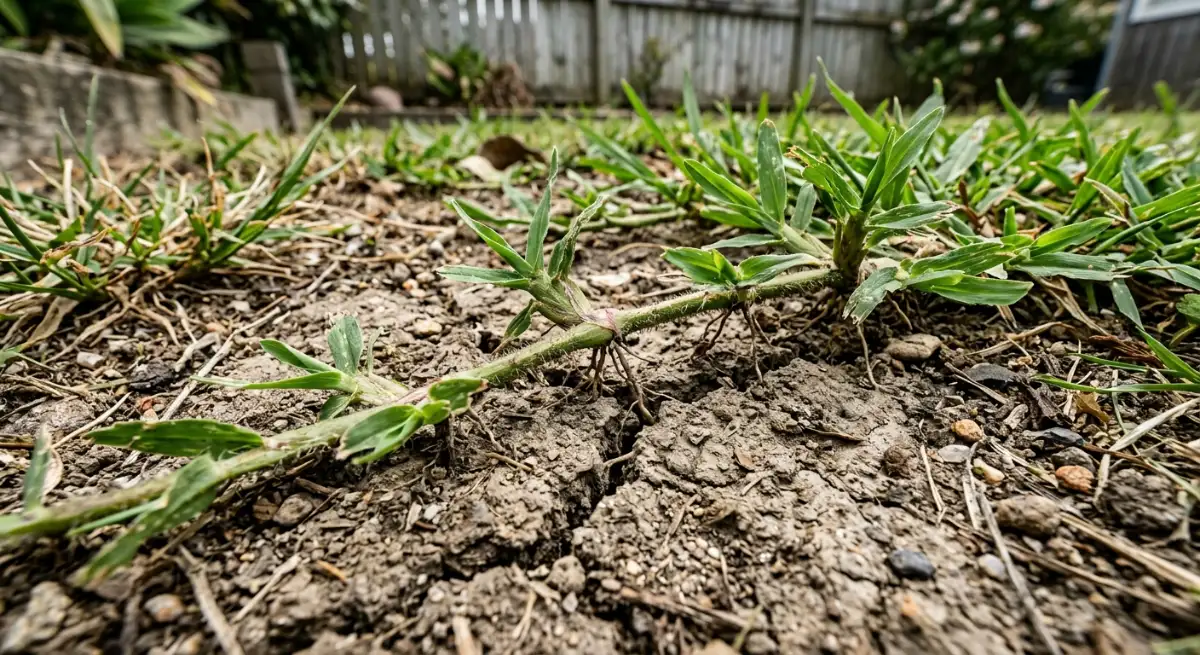
To combat the challenges of clay soil, regular aeration is highly recommended. Aeration involves punching small holes into the soil to allow air, water, and nutrients to penetrate the dense clay layer. When combined with a consistent, proper-height mowing schedule, aeration can transform a struggling, boggy Manukau lawn into a resilient outdoor living space. For more restoring tips, read our Lawn Repair & Reseeding Advice.
Professional Edge Trimming and Garden Borders: A Step-by-Step Tidy Up Guide
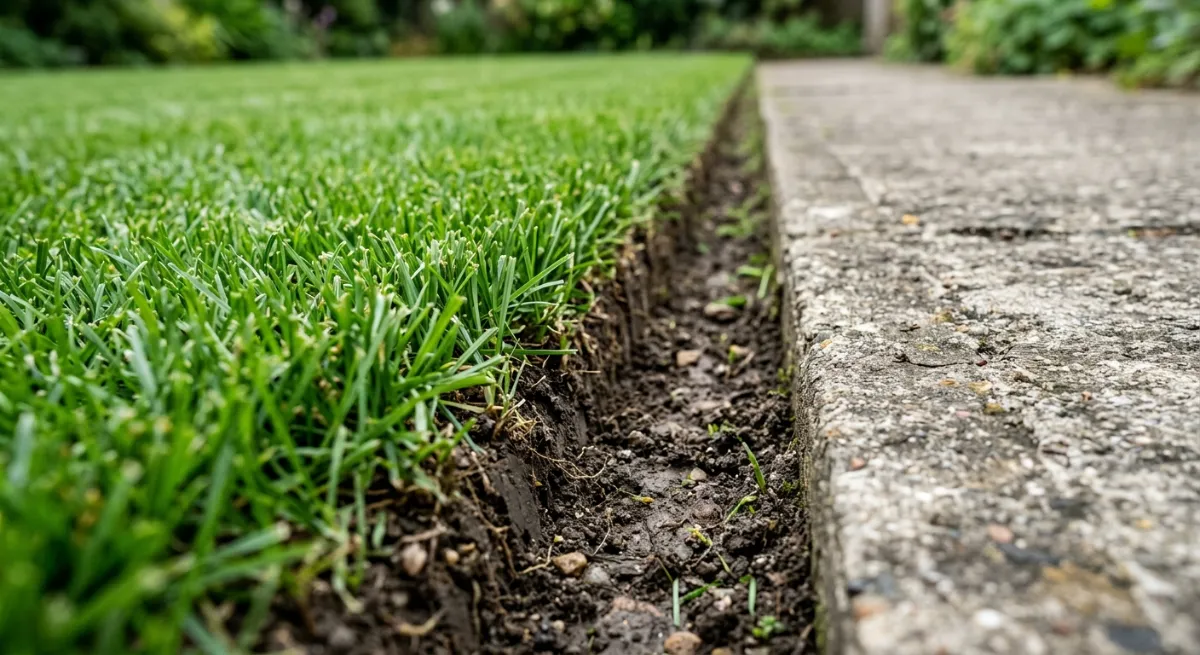
A freshly mowed lawn will still look untidy if the edges are neglected. Professional South Auckland lawn care is defined by the details, and nothing elevates the street appeal of a property quite like crisp, clean garden borders. Edge trimming provides a sharp visual boundary between the turf and the concrete pathways, driveways, or garden beds.
Achieving this manicured look requires a high-quality line trimmer (weed-eater) and a steady hand. The goal is to create a distinct, vertical cut along the concrete or timber edging without scalping the grass inward. Tilting the trimmer at a 90-degree angle allows the cutting line to slice vertically through the encroaching grass runners.
When tackling garden borders, it is crucial to direct the trimmed debris away from the garden beds and back onto the lawn where it can be collected. Flying grass clippings can easily stick to wet foliage or smother delicate flowers. A methodical approach ensures that the surrounding landscape remains pristine while the lawn edges are sharpened.
When using a line trimmer along concrete paths, maintain a consistent walking speed and keep the trimmer head perfectly vertical. Let the tip of the cutting line do the work; forcing the head too close to the concrete will rapidly wear out the line and create a jagged, uneven edge.
Proper Organic Green Waste Disposal and Local Auckland Environmental Standards
Once the mowing and edging are complete, you are inevitably left with a pile of grass clippings, weeds, and organic debris. Disposing of this green waste correctly is a critical component of property maintenance. Many homeowners mistakenly assume that they can stuff their grass clippings into the standard municipal rubbish bins.
Under current local regulations, Auckland Council does not provide a dedicated green waste collection service as part of your standard rates. General household rubbish bins are strictly for non-organic waste, and filling them with heavy, wet grass clippings is prohibited. This means property owners must make alternative arrangements for Auckland green waste disposal.
Since the council does not collect organic yard waste, you must either book a private green waste bin collection, utilize local transfer stations, or start a home compost system. Ensure your chosen private contractor adheres to local environmental recycling standards.
When preparing your organic material for removal, ensure you only include accepted materials:
- Grass clippings and general broadleaf weeds.
- Small twigs, branches, and hedge trimmings.
- Fallen autumn leaves and dead plant matter.
Leaving clippings on the lawn (a process known as mulching) is highly beneficial during the drier months, as it returns vital nitrogen and moisture to the soil. However, during the wet Manukau winters, thick clumps of wet clippings will smother the grass and promote turf disease. In these situations, all green waste must be caught, bagged, and removed from the site to maintain a healthy ecosystem.
How to Estimate Fair Value Rates for Residential and Commercial Sections in Manukau
Budgeting for property maintenance shouldn’t require guesswork. When evaluating the cost of professional lawn mowing in the Manukau area, several variables come into play. The total square meterage of the turf, the complexity of the terrain, and the frequency of the visits all directly influence the final quote.
On average, New Zealand lawn care rates have stabilized to reflect the rising costs of equipment, fuel, and labor. However, a reliable, value-priced operator will always provide transparent pricing without the inflated overheads associated with massive national franchises. You are paying for the time, the quality of the machinery, and the expertise required to leave the property looking immaculate.
Below is a breakdown of estimated fair value rates for standard, maintained properties in the current market. These figures represent the cost of regular, scheduled maintenance rather than massive, overgrown jungle clear-outs.
| Section Size | Estimated Turf Area | Average Cost (Per Regular Visit) | Ideal Mowing Frequency |
|---|---|---|---|
| Small Residential | Up to 150 sqm | $40 – $55 | Fortnightly |
| Medium Residential | 150 – 350 sqm | $55 – $75 | Fortnightly |
| Large / Commercial | 350 – 600+ sqm | $75 – $100+ | Weekly or Fortnightly |
| Overgrown / One-Off | Varies | $120+ (Quote Required) | As Needed |
When selecting a provider, it is crucial to look beyond the base price and consider the reliability of the service. The industry standard is unfortunately plagued by operators who fail to show up, leave grass clippings in garden beds, or hike up prices with hidden travel fees. A dependable local service turns up on the scheduled day, communicates proactively if weather forces a delay, and stands behind the quality of every cut.
This is where the About Auckland Lawns difference becomes apparent. With active quality control managed directly by owner Garry, clients receive the dependability of a large organization paired with the care and budget-friendly pricing of a local family business. Every job includes meticulous cleanup, ensuring driveways and paths are blown clear of debris before the team leaves the site.
By focusing purely on core maintenance tasks rather than expensive, heavy landscaping construction, the service remains highly efficient. This streamlined approach allows everyday Kiwi families, hands-off landlords, and busy commercial property managers to maintain impeccable street appeal without breaking the bank. Consistent, worry-free maintenance is the ultimate goal for any Manukau property.
Opting for our Landlord Set-and-Forget Packages is the most cost-effective way to manage your property. Regular, scheduled cuts prevent the turf from becoming overgrown, which eliminates the need for expensive, labor-intensive rescue jobs down the line.