Every year, the average Aucklander sends over 873 kilograms of waste to local landfills, with a startling amount of this being organic garden material. When grass clippings, hedge trimmings, and pulled weeds are buried under tonnes of general refuse, they undergo anaerobic decomposition. This oxygen-starved process generates biogenic methane, a greenhouse gas estimated to be 28 times more potent than carbon dioxide.
For property owners and landlords, routine garden maintenance does not have to end with a trip to the local dump. Shifting toward sustainable yard management requires a fundamental change in how we view organic debris. By implementing Seasonal Lawn Care Plans alongside Eco-Friendly Disposal Practices, you can transform what is currently considered “waste” into a valuable, nutrient-rich resource for your property.
Whether you are managing a small residential section in the North Shore or overseeing a commercial property in South Auckland, responsible organic recycling is essential. It not only reduces your carbon footprint but also aligns with New Zealand’s nationwide push to divert 100% of green waste from landfills by 2035. Learn more About Auckland Lawns and our commitment to sustainable garden care. Understanding the science behind these methods is the first step toward a healthier, greener outdoor space.
Key Takeaways
To adopt Eco-Friendly Disposal Practices, homeowners must divert green waste from landfills through composting, mulching, or grasscycling. Auckland Council regulations require invasive pest plants like moth plant and wild ginger to be securely bagged and taken to transfer stations to prevent ecological spread.
What Are Eco-Friendly Disposal Practices for Garden and Green Waste?
At its core, sustainable yard maintenance relies on the principles of the circular economy. Instead of treating grass clippings, pruned branches, and fallen leaves as rubbish, we view them as raw biological assets. Returning these organic materials to the earth replenishes essential soil microbes and reduces the need for synthetic fertilisers.
Historically, the “take-make-dispose” model dominated urban landscaping, resulting in massive volumes of usable biomass being trucked to general refuse sites. Today, modern Eco-Friendly Disposal Practices prioritize on-site processing. This includes techniques like grasscycling, hot composting, and wood chipping, which keep organic matter out of the municipal waste stream.
By adopting these methods, property owners can drastically cut down on their weekly waste output. Currently, an estimated 10% of the average Auckland domestic kerbside refuse bin consists of green waste. Diverting this material is one of the easiest and most impactful environmental changes a household can make.
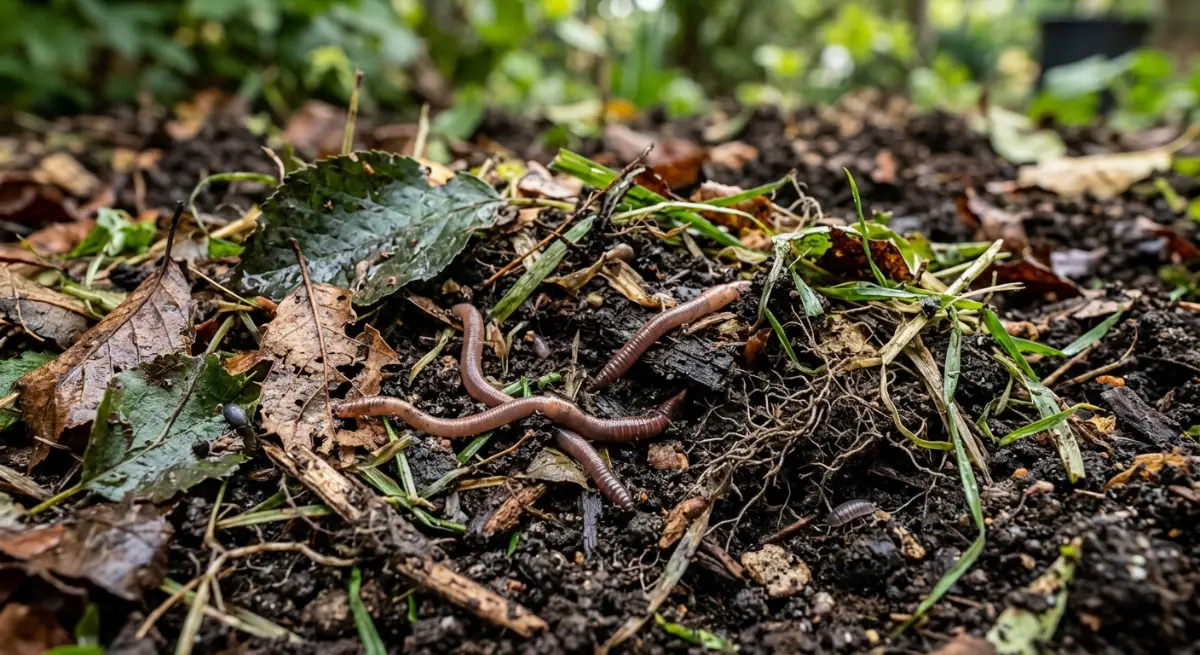
Comparison Matrix: Landfills vs. Composting vs. Mulching for Organic Material
Choosing the right method for your garden debris heavily dictates its environmental footprint. While throwing everything into a single bin is convenient, the ecological cost is severe. The table below outlines how different disposal methods compare in terms of environmental impact, soil benefit, and required effort.
| Disposal Method | Environmental Impact | Soil Benefit | Effort / Cost |
|---|---|---|---|
| Landfill Disposal | Highly Negative (Produces potent methane gas) | None (Nutrients are permanently lost) | Low effort, but incurs high transfer station fees |
| Home Composting | Highly Positive (Aerobic breakdown, zero methane) | Excellent (Creates nutrient-dense humus) | Medium effort, requires turning and moisture control |
| Mulching / Chipping | Positive (Retains soil moisture, reduces runoff) | Good (Slow-release nutrients, prevents weeds) | Medium effort, may require hiring a wood chipper |
Key Environmental Impact Metrics of Green Waste Diversion
To understand why local councils are aggressively pushing for better waste management, we must look at the data. In New Zealand, the waste sector is responsible for roughly 4% of total gross greenhouse gas emissions. A staggering 94% of these specific emissions come from biogenic methane generated by organic materials decomposing in landfills.
When organic matter breaks down without oxygen, the resulting methane traps heat in the atmosphere highly efficiently. To combat this, the national Emissions Reduction Plan (ERP) has set a target to divert 100% of green waste to composting facilities. Achieving this goal requires a collective effort from homeowners, commercial landscapers, and local councils.
The chart below visualizes the average composition of an Auckland domestic refuse bin by weight. It highlights just how much recoverable organic material is still being unnecessarily sent to the dump every single week.
Step-by-Step On-Site Green Waste Management and Recycling Protocols
Implementing a sustainable waste system on your property does not require expensive equipment or a degree in horticulture. The most effective strategies rely on working with nature’s natural decomposition cycles. By separating your waste types at the source, you can easily manage the majority of your garden debris on-site.
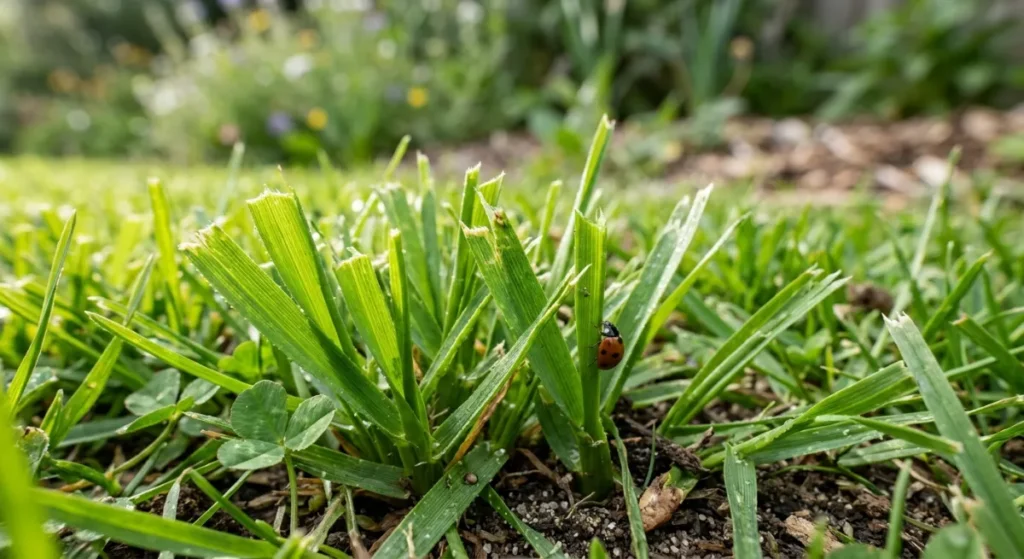
Instead of bagging lawn clippings, remove the mower catcher and let the finely chopped grass fall back into the turf. This acts as a natural, nitrogen-rich fertiliser and saves significant time during your fortnightly mow.
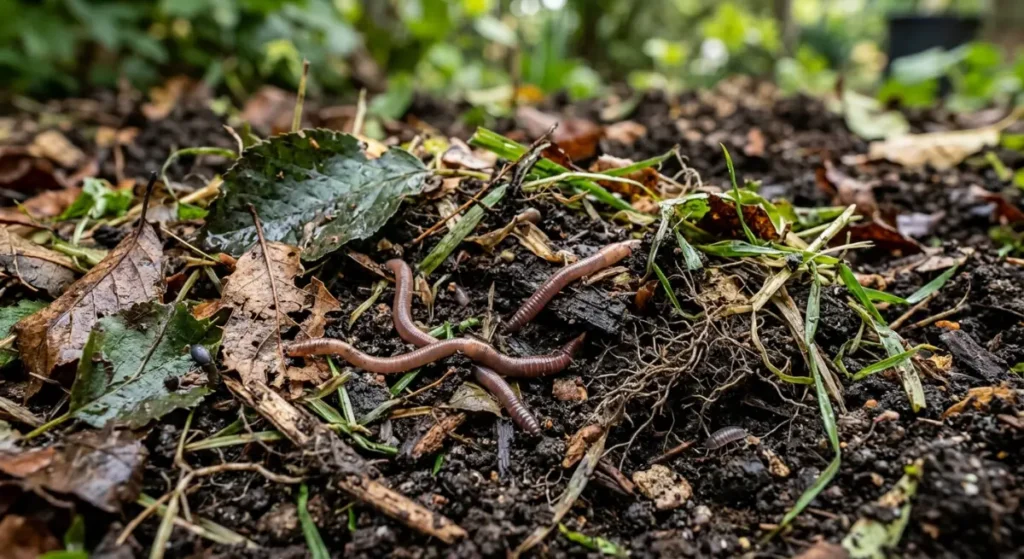
For larger properties with extensive garden beds, establishing a dedicated composting zone is highly recommended. To ensure rapid, aerobic breakdown without foul odours, follow these crucial steps:
- Balance Greens and Browns: Mix nitrogen-rich “greens” (fresh grass clippings, green leaves) with carbon-rich “browns” (dry twigs, dead leaves, cardboard) in a 1:2 ratio.
- Maintain Aeration: Turn the pile with a pitchfork every two weeks to introduce oxygen, which prevents anaerobic methane production.
- Control Moisture: The pile should feel like a damp sponge. If it’s too dry, microbial activity stops; if it’s too wet, it will become slimy and smell bad.
Woody debris, such as thick hedge trimmings or fallen branches, breaks down too slowly for standard compost bins. These should be run through a wood chipper to create natural mulch. Applying a thick layer of this mulch around the base of your trees helps retain summer moisture and suppresses future weed growth.
Safe Processing of Invasive Weeds and Diseased Plant Biomass
Not all green waste is created equal, and this is where many homeowners make critical mistakes. Eco-Friendly Disposal Practices dictate that highly invasive pest plants must never be placed in a standard compost bin. Doing so simply incubates their seeds, allowing them to spread aggressively when the compost is later applied to the garden.
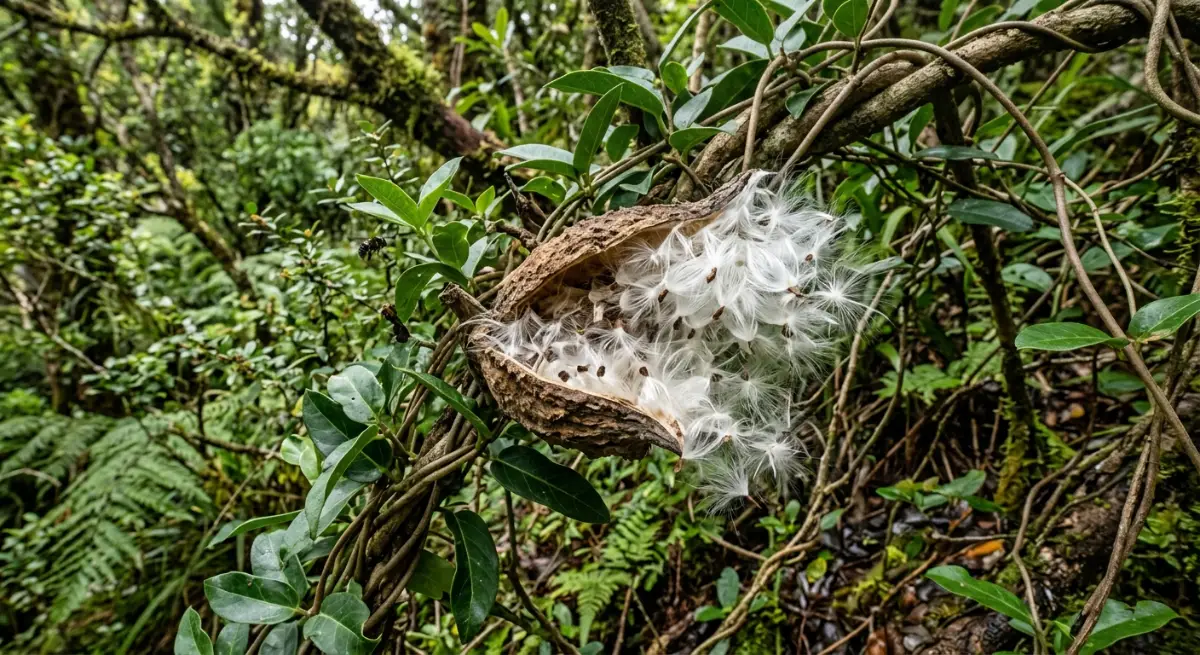
Never compost invasive species like Moth Plant, Woolly Nightshade, Climbing Asparagus, or Wild Ginger. Their fertile seeds and roots survive standard composting temperatures and will contaminate your entire property.
In Auckland, these pest plants pose a severe threat to native ecosystems like the Waitākere Ranges. If you encounter these weeds during a property tidy-up, carefully place the seed heads, pods, and root systems into heavy-duty plastic bags. These must be securely tied off to prevent wind dispersal during transit.
Similarly, diseased plant biomass—such as rose leaves infected with black spot or fruit tree branches suffering from blight—should be kept out of your compost. The pathogens can survive the winter and re-infect your garden next spring. These materials are best removed by a professional green waste collection service that utilizes high-heat commercial composting facilities. For businesses needing tailored waste plans, you can arrange a Commercial Consultation Booking with our team.
Expert-Verified Environmental Standards and Auckland Green Waste Compliance
Local regulations dictate strict protocols for the handling and transportation of organic matter. Auckland Council does not offer a dedicated kerbside green waste collection service, shifting the responsibility onto property owners and private contractors. General garden waste must never be placed in your standard household rubbish bin.
If you live near Kauri trees, avoid weeding within a distance of three times the tree’s canopy width. Always thoroughly clean all soil from your footwear and tools before leaving your property to prevent the spread of Kauri dieback disease.
For the disposal of noxious weeds, the council provides specific community weed bins in sensitive ecological areas during certain months. When these bins are unavailable, pest plants must be taken directly to an approved transfer station. It is vital to inform the station staff that you are disposing of pest plants so they can be processed correctly.
Illegal dumping of garden clippings in local reserves or gullies is a major environmental offense. Not only does it incur heavy fines, but it is the primary way invasive weeds escape into native forests. By strictly adhering to Eco-Friendly Disposal Practices, you help protect Auckland’s unique biodiversity while keeping your own section neat, safe, and healthy.