Auckland’s climate is famously unpredictable, often delivering four seasons in a single afternoon. When heavy rain hits right before your planned property maintenance, a rigid routine can sometimes do more harm than good. Understanding how Schedule Changes work is essential for maintaining a healthy, vibrant outdoor space without the stress.
We know that busy homeowners and property investors rely on consistency to keep their weekends free and their sections looking pristine. However, pushing a heavy mower over waterlogged turf is a recipe for disaster that can ruin your topsoil. That is why having a clear, proactive protocol for adjusting service dates ensures your property remains protected year-round.
True reliability isn’t just about showing up blindly; it is about making the right call for the long-term health of your grass. By adapting to environmental shifts, professional lawn care transforms from a basic chore into a strategic property management asset. Let’s explore exactly how these timing adjustments keep your property in peak condition.
Key Takeaways
Proactive schedule changes protect your lawn from severe damage during extreme weather. Adjusting from fortnightly summer cuts to monthly winter maintenance prevents turf scalping and soil compaction. Clear communication ensures seamless transitions for tenant moves, public holidays, and seasonal growth shifts.
How Lawn Care Schedule Changes Work: Quick Reference for Homeowners and Landlords
Maintaining a beautiful property requires a delicate balance between rigid consistency and environmental adaptability. While turning up on the agreed day is the gold standard of reliability, nature occasionally forces our hand. When this happens, adjusting the service timeline becomes a necessary step to protect your turf.
Property owners often wonder how disruptions are handled without causing long-term overgrown grass issues. The answer lies in proactive communication and understanding the local environmental factors. By anticipating weather patterns, visits can be shifted by a day or two rather than skipping an entire cycle.
This adaptability is what separates budget “blow-and-go” operators from dedicated local professionals. To learn more About Auckland Lawns and our commitment to quality, feel free to read our story. A reliable provider will monitor the forecast and make executive decisions that prioritize the health of your garden over merely checking a box on a route sheet.
If weather or unforeseen circumstances require a delay, you will receive proactive notification. You should never have to guess when your property will be serviced.
The Weather Delay Protocol: Proactive Schedule Adjustments for Auckland Clay Soils
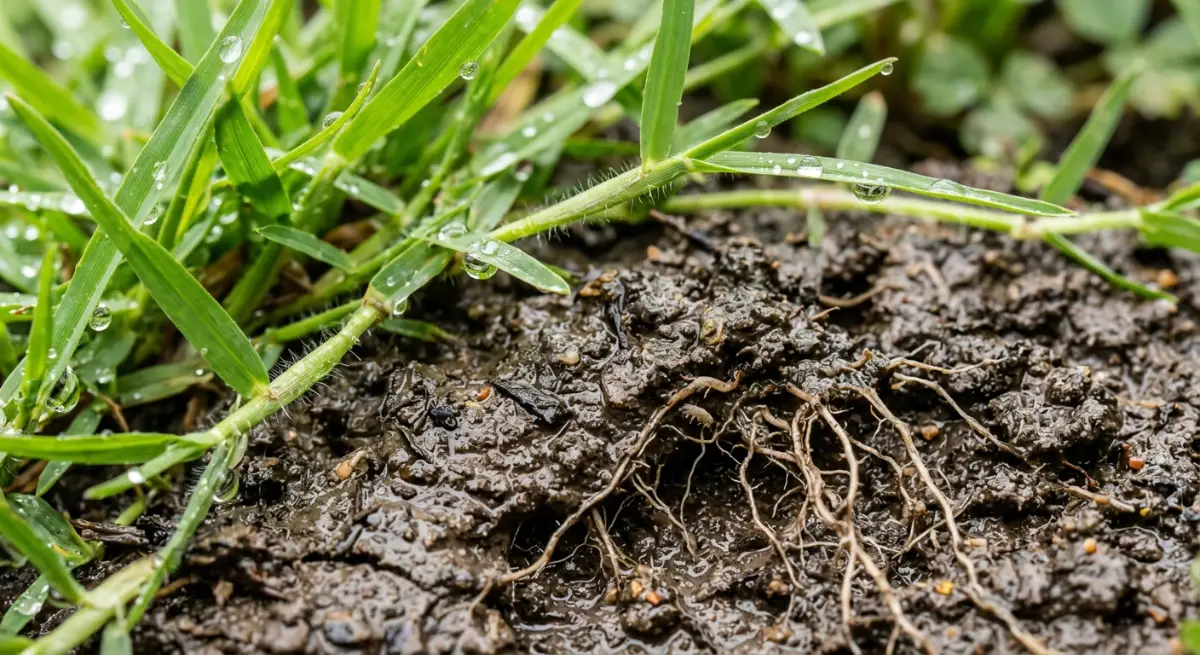
Auckland is built on heavy clay soils that behave drastically different depending on the season. During the dry summer months, this clay bakes into a rock-hard surface. Conversely, during the heavy winter rains, it transforms into a dense, waterlogged sponge that refuses to drain quickly.
Operating heavy machinery on saturated clay is one of the fastest ways to destroy a healthy lawn. The wheels sink into the mud, creating deep ruts that ruin the surface level and tear the grass out by its roots. This soil compaction suffocates the root zone, preventing oxygen and nutrients from penetrating the earth.
This is exactly why weather-related Schedule Changes are a critical component of professional turf management. If a severe storm rolls through the region, delaying the cut by 48 hours allows the topsoil to drain. This brief pause preserves the integrity of the grass and prevents unsightly mud tracks across your pathways.
As the chart above demonstrates, Auckland experiences a massive spike in rainfall during the winter months, peaking in July. This sustained moisture drastically increases the likelihood of waterlogged soil. Consequently, winter requires the highest degree of scheduling flexibility to avoid tearing up soft, muddy sections.
Comparative Breakdown: Fortnightly Peak Growth vs. Monthly Dormancy Mowing Intervals
Grass growth is entirely dependent on soil temperature, sunlight, and moisture levels. In New Zealand, the transition from spring to winter drastically alters how fast your grass regenerates. Because of this, maintaining the exact same frequency year-round is both inefficient and detrimental to the turf.
Seasonal shifts naturally dictate Schedule Changes to match the biological needs of the grass. During the peak growth periods of spring and early summer, grass shoots up rapidly. In contrast, winter drops soil temperatures, sending most grass varieties into a state of semi-dormancy where growth slows to a crawl.
Adjusting the interval ensures you are not paying for unnecessary cuts when the grass isn’t growing. It also guarantees that during the humid summer months, your section doesn’t turn into an overgrown jungle between visits.
| Season | Mowing Frequency | Grass Growth Rate | Primary Focus |
|---|---|---|---|
| Spring (Sep – Nov) | Fortnightly (Every 2 Weeks) | Very Fast (Peak Growth) | Controlling rapid vertical growth and suppressing spring weeds. |
| Summer (Dec – Feb) | Fortnightly (Every 2 Weeks) | Moderate to Fast | Maintaining length to protect roots from intense sun and drought. |
| Autumn (Mar – May) | Fortnightly to 3 Weeks | Slowing Down | Clearing fallen leaves and preparing the turf for winter dormancy. |
| Winter (Jun – Aug) | Monthly (Every 4 Weeks) | Very Slow (Dormant) | Light trimming only. Avoiding soil compaction on wet clay. |
Step-by-Step Process to Request a Schedule Change or One-Off Delay
There are times when the homeowner needs to initiate a pause or adjustment to the regular routine. Whether you are hosting an outdoor event, completing landscaping renovations, or managing a tight budget, adjusting your service interval should be entirely frictionless.
When requesting Schedule Changes for one-off delays, following a simple process ensures no miscommunications occur. We prioritize flexibility, allowing you to manage your property maintenance around your real life.
- Assess the Timeline: Determine exactly how long you need the service paused or delayed before reaching out.
- Provide Advance Notice: Reach out at least 48 hours before your scheduled visit to allow for efficient route adjustments.
- Specify the Reason: Let us know if it is due to a family event, a delayed tenant move, or a request to let the grass recover from a dry spell.
- Confirm the Restart Date: Always establish a clear date for the recurring maintenance to resume automatically, preventing the grass from getting out of hand.
Scheduling Policies for Time-Sensitive Events: Tenant Moves and Pre-Sale Tidy-Ups
For property investors and landlords, timing is absolutely everything. For larger commercial spaces, our Commercial Consultation Booking simplifies regular maintenance scheduling. When a rental property sits vacant, it costs money every single day. Ensuring the exterior looks immaculate exactly when prospective tenants or buyers arrive is a high-stakes logistical challenge.
End-of-tenancy cleanups often require precise coordination with moving trucks, bond cleaners, and real estate agents. If an outgoing tenant leaves the property a week late, the grounds maintenance must be shifted instantly. We understand that these high-pressure transitions require immediate adaptability.
A well-maintained perimeter signals to buyers and tenants that the property is cared for. Missed edges or overgrown patches can subconsciously lower the perceived value of the home, making timely scheduling a direct financial asset.
Always schedule your final pre-sale lawn tidy-up 24 to 48 hours before the real estate photographer arrives. This ensures the grass looks freshly manicured without any lingering loose clippings.
Expert Turf Science: Why Keeping a Consistent Cutting Interval Prevents Lawn Scalping
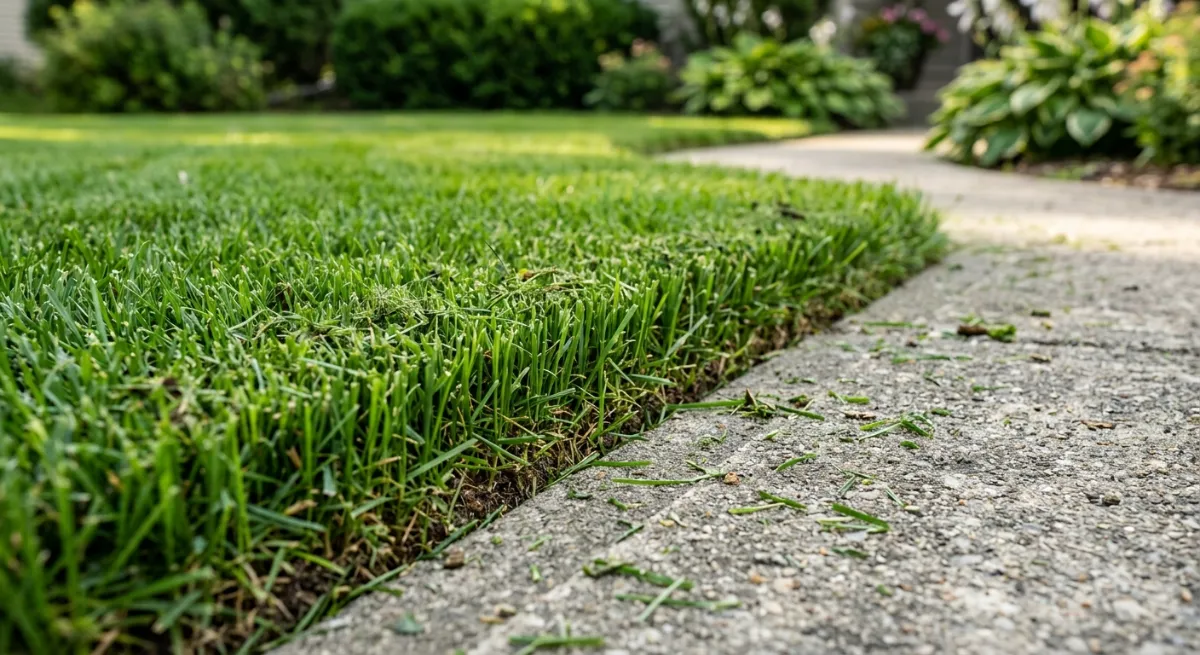
While flexibility is important, allowing grass to grow wildly out of control between cuts causes biological stress. Turfgrass thrives on consistency, and erratic intervals can lead to a damaging phenomenon known as scalping. Scalping occurs when too much of the grass blade is removed in a single pass.
Turf experts universally recommend the “one-third rule,” which states you should never cut more than one-third of the grass blade’s total height at once. The grass blade acts as a solar panel that produces food for the root system. Removing too much leaf tissue starves the plant and exposes the delicate lower stems to harsh sunlight.
When long delays occur, the recovery process must be handled carefully. Instead of dropping the mower deck to the lowest setting, the grass must be reduced gradually over multiple visits. This is why adhering to a structured, yet adaptable, timeline is the secret to a lush, green section.
Delaying a cut for too long and then severely chopping the grass down will shock the root system. This leaves the lawn yellow, weak, and highly susceptible to invasive weed infestations, requiring expert Lawn Repair & Reseeding Advice to restore its lush green health.
Frequently Asked Questions Regarding Scheduled Holiday and Public Holiday Services
Public holidays present a unique scheduling challenge for recurring local services. Many homeowners enjoy their days off relaxing in the garden and prefer not to be disturbed by the roar of machinery. Furthermore, noise control regulations often restrict commercial operating hours on major statutory holidays.
Managing Schedule Changes during public holidays requires proactive route planning. If your standard service day falls on Christmas Day, Good Friday, or Waitangi Day, the visit will typically be shifted to the nearest available business day. This ensures your property remains maintained without violating local noise ordinances or disrupting your family time.
Clear communication is the bridge that makes these holiday adjustments seamless. You will generally be notified well in advance if your regular day falls on a restricted holiday, allowing you to plan your own outdoor activities accordingly.
The Christmas and New Year period coincides with Auckland’s peak summer growth. Expect your service to be shifted slightly earlier in the week rather than skipped entirely, ensuring your section stays neat for holiday barbecues.