A beautifully manicured hedge is the ultimate natural fence, offering privacy, wind protection, and incredible street appeal. However, when left unchecked, these living green walls can quickly become a source of intense neighborhood friction. In the warm, humid climate of the upper North Island, fast-growing foliage can easily double in volume within a single growing season.
Understanding the fundamentals of Boundary Hedge Maintenance is essential for every property owner. It is not just about maintaining a tidy appearance; it is about respecting property lines and adhering to local regulations. When a hedge encroaches on a public footpath or a neighbor’s driveway, it transforms from a beautiful garden feature into a legal liability.
This comprehensive guide explores the growth habits of common local plants, the legal frameworks governing property lines, and the best practices for keeping your boundaries sharp. Whether you are managing a small residential section or a large commercial perimeter, proactive care is the key to avoiding costly restoration work. Learn more About Auckland Lawns and how we can help maintain your property’s value.
Key Takeaways
Boundary Hedge Maintenance involves the regular trimming and shaping of perimeter plants to prevent section encroachment. Under the Property Law Act 2007, owners are responsible for any nuisance their hedges cause to neighbors. Regular, budget-friendly upkeep prevents the need for expensive, heavy restorative pruning.
Quick Answer: What is Boundary Hedge Maintenance and How Often Is It Required?
At its core, Boundary Hedge Maintenance is the systematic process of controlling the height, width, and density of plants grown along property lines. Unlike standalone ornamental shrubs, boundary plants serve a structural purpose. They act as privacy screens, noise buffers, and physical demarcations between neighboring sections.
Because these plants are constantly competing for sunlight and soil nutrients, they naturally expand outward and upward. Without consistent intervention, they will eventually breach property lines, block natural light, and drop excessive green waste onto adjacent driveways. This makes routine professional maintenance a necessity rather than an optional luxury.
The frequency of this upkeep depends entirely on the specific plant species and the season. During the explosive spring growth period, some aggressive varieties require attention every four to six weeks. Conversely, during the colder winter months, growth slows dramatically, allowing for much longer intervals between cuts.
Key Growth Metrics: Seasonal Trimming Frequencies by Auckland Hedge Species
Choosing the right plant for your perimeter dictates how much time and money you will spend on upkeep. New Zealand’s native and introduced species exhibit vastly different growth behaviors. Understanding these metrics helps homeowners schedule their hedge trimming in Auckland accurately. For residents in West Auckland, our specialized New Lynn Garden Care service is tailored to handle local growth conditions.
For instance, Griselinia littoralis is incredibly popular due to its lush, apple-green foliage and moderate growth rate. It typically requires trimming two to three times a year to maintain a dense, formal shape. On the other hand, Ficus Tuffi is a rapid grower that demands strict, frequent pruning to prevent its roots and branches from becoming invasive.
| Hedge Species | Average Annual Growth | Ideal Trimming Frequency | Best Use Case |
|---|---|---|---|
| Ficus Tuffi | 80cm – 100cm | Every 6-8 weeks (Spring/Summer) | Tall, rapid privacy screens |
| Pittosporum | 60cm – 70cm | 3-4 times per year | Native windbreaks |
| Griselinia | 50cm – 60cm | 2-3 times per year | Formal residential boundaries |
| Corokia | 30cm – 40cm | 1-2 times per year | Low to medium textured borders |
To visualize how quickly these plants can overtake a property line, consider the annual growth rates of these popular Auckland hedge species. The data below highlights why a “set-and-forget” approach simply does not work for natural perimeters.
Navigating Boundary Line Rules: Auckland Property Laws and Neighbor Etiquette
When a plant sits on or directly adjacent to a property line, it ceases to be just a landscaping feature; it becomes a legal entity. In New Zealand, disputes over overgrown foliage are incredibly common and can sour relationships for years. Understanding your legal obligations is the first step in effective Boundary Hedge Maintenance.
The Fencing Act 1978 provides the primary framework for shared boundaries. If a hedge was deliberately planted and agreed upon by both neighbors to act as an “adequate fence,” the costs of maintaining or replacing it should generally be shared equally. However, if the trunk of the plant sits entirely on your side of the surveyor’s peg, the responsibility falls squarely on you.
Furthermore, Section 333 of the Property Law Act 2007 is highly relevant for property owners. This legislation explicitly makes owners responsible for any nuisance or damage their trees and hedges cause to a neighboring property. If your foliage blocks a neighbor’s sunlight, damages their retaining wall, or drops excessive debris, they have the right to seek a District Court order to have it altered or removed.
Under common law, neighbors have the right to trim any branches that cross the legal boundary line back to the peg. However, relying on your neighbor to cut your overgrown hedge often leads to poor, uneven cuts that damage the plant’s health.
Before undertaking massive reductions on a shared boundary, always discuss the plan with your neighbor. A quick conversation prevents misunderstandings and ensures both parties are happy with the new height and shape.
Step-by-Step Guide to Safely Trimming and Shaping Boundary Hedges
Achieving a perfectly flat, formal finish requires more than just running a motorized blade over the leaves. Proper shaping promotes healthy internal growth while maintaining a sharp exterior aesthetic. A methodical approach ensures that the plant remains dense and vibrant year-round.
The first step is always a thorough site inspection. Check the foliage for hidden obstacles like old wire fences, bird nests, or irrigation lines that could damage equipment or harm wildlife. Once the area is clear, establishing a visual guide is critical for an even cut.
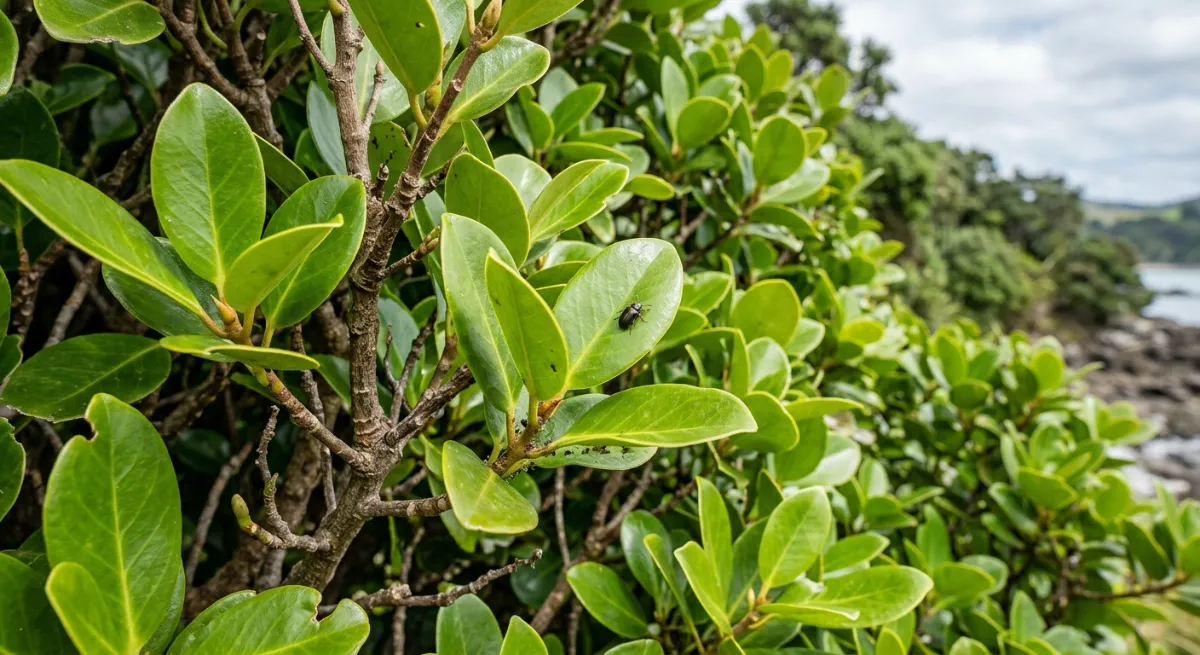
Follow this systematic process for optimal results:
- Set a String Line: Tie a taut string between two stakes at the desired height. This acts as a reliable visual level, preventing the common mistake of cutting on a slope.
- Trim the Sides First: Always start by shearing the vertical faces. Work from the bottom up in smooth, sweeping motions to ensure falling clippings do not get caught in the lower branches.
- Cut the Top Last: Once the sides are established, use the string line to level the top. Keep the blade perfectly horizontal and walk at a steady pace.
- Clear the Green Waste: Immediately rake up all clippings from pathways, lawns, and the base of the plant. Leftover debris can harbor fungal diseases and smother underlying grass.
Essential Equipment and Safe Cutting Techniques for a Flat, Neat Finish
Using the correct tools is non-negotiable when performing professional maintenance. Dull blades will tear and crush leaves rather than slicing them cleanly. Crushed foliage turns brown at the edges, inviting rust and fungal infections that can decimate susceptible species like Buxus.
When shaping, always employ the “tapering” or “batter” technique. This means cutting the hedge so that the base is slightly wider than the top, creating a subtle A-frame shape. This critical technique ensures that sunlight can reach the lower branches, preventing the bottom of the hedge from dying off and becoming a sparse, woody mess.
Never cut a hedge perfectly straight up and down. A slight inward taper towards the top allows rain to shed easily and ensures the lower foliage receives adequate sunlight for photosynthesis.
Why Regular Professional Maintenance Prevents Section Encroachment and High Restoration Costs
Many property owners attempt to save money by delaying their hedge trimming in Auckland until the plants are wildly overgrown. This is a false economy. Allowing a boundary to expand unchecked leads to thick, woody internal growth that is incredibly difficult—and expensive—to correct.
When a neglected hedge is finally cut back to the legal property line, the trimmer must cut deep into the old, leafless wood. This leaves behind an ugly, brown, skeletal wall that can take years to recover, and in some cases, the plant may die entirely. Value-priced, ongoing maintenance avoids this aesthetic disaster entirely.
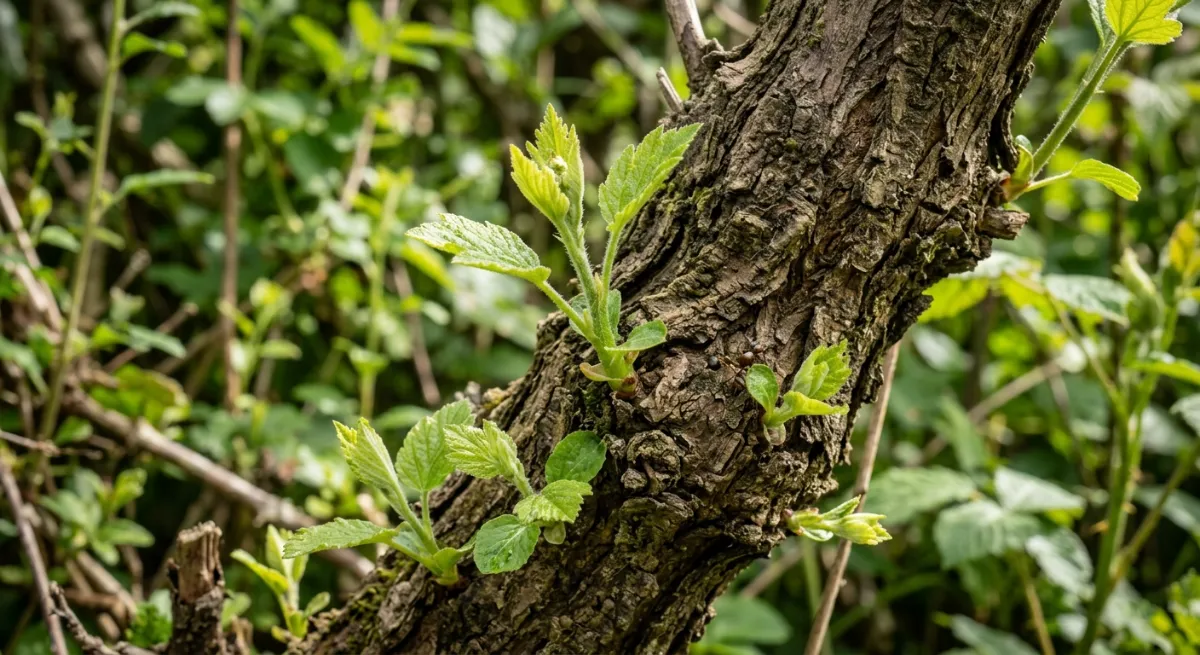
Routine visits keep the foliage dense and green right to the edge. The labor required for a quick seasonal trim is minimal compared to the heavy chainsaw work and massive green waste disposal fees associated with a restorative overhaul. Engaging a dependable local team ensures your property remains compliant and beautiful year-round—just read our Residential Client Testimonials to see why homeowners trust us.
| Comparison Factor | Regular Ongoing Maintenance | One-Off Restorative Cut |
|---|---|---|
| Plant Health | Excellent; promotes dense green foliage | Poor; exposes bare wood and risks shock |
| Visual Aesthetic | Consistently neat and formal | Ugly brown patches lasting for months |
| Green Waste Volume | Low; easily managed light clippings | Massive; requires heavy trailer removal |
| Long-Term Cost | Budget-friendly and predictable | Highly expensive due to labor and tip fees |
Inspect your boundary lines this weekend. If the foliage is pushing past the surveyor pegs or encroaching on footpaths, it is time to schedule a trim before the wood hardens and the job becomes a costly restoration.