Auckland’s uniquely mild, humid climate is a paradise for lush gardens, but it also turns neat property borders into wild, overgrown jungles seemingly overnight. Here in New Zealand, our unpredictable mix of heavy rain and brilliant sunshine creates the perfect storm for rapid plant growth. What starts as a neat boundary in early spring can quickly transform into an unruly thicket by mid-summer if left unattended.
For local homeowners, landlords, and commercial property managers, maintaining a crisp, defined boundary isn’t just about street appeal. It is about protecting your real estate investment, keeping pathways safe, and ensuring maximum natural light reaches your lawn for optimal Lawn Health & Restoration. This is where professional Hedge Trimming & Shaping becomes a non-negotiable part of routine property maintenance.
Garry and the dedicated team at Auckland Lawns know firsthand how quickly a local section can get out of hand. We regularly see house-proud Kiwis surrender their precious Saturday mornings to wrestle with temperamental equipment, only to end up with a crooked boundary and a massive, unmanageable pile of green waste. Professional maintenance removes this friction entirely, delivering a reliable, budget-friendly result without the weekend stress.
Key Takeaways
Hedge Trimming & Shaping involves cutting back new growth to maintain a dense, aesthetic boundary, whereas pruning removes dead wood for plant health. In Auckland, fast-growing species like Griselinia require trimming 2-4 times annually. Late winter is ideal for heavy reduction, while spring and summer demand regular, precise aesthetic maintenance.
Quick Answer: What is Hedge Trimming & Shaping and Why is it Essential?
At its core, Hedge Trimming & Shaping is the methodical process of cutting back soft, seasonal growth to maintain a specific geometric form. It is not just about hacking away stray leaves. When done correctly, trimming encourages the plant to push its energy into secondary buds, resulting in a thicker, denser wall of green.
This density is what provides true privacy from neighbors and acts as a robust windbreak against coastal Auckland breezes. Without regular maintenance, hedges naturally become “leggy” and sparse at the bottom, focusing all their leaf growth at the very top where the sun hits.
Furthermore, keeping your borders tidy is essential for neighborly relations and council compliance. Overgrown branches that spill onto public footpaths or obscure street visibility can quickly lead to formal complaints. A reliable, scheduled tidy-up ensures your property always looks its best without any sudden panic before a property inspection.
Growth rates can vary wildly across the city. A sheltered Pittosporum in a sunny West Auckland garden will flush with new growth much faster than one exposed to the salty winds of the North Shore. We adjust our visit frequency based on your specific section’s needs.
Hedge Trimming vs. Hedge Pruning: Key Differences in Timing and Technique
Many homeowners use the terms interchangeably, but trimming and pruning serve entirely different horticultural purposes. Understanding this distinction is vital to avoiding long-term damage to your garden’s structural integrity.
Hedge Trimming & Shaping is primarily an aesthetic task. It involves skimming the outer layer of foliage to maintain clean, straight lines and a manicured appearance. This is typically done multiple times throughout the active growing season using specialized electric or petrol hedge trimmers.
Conversely, pruning is a health-focused structural intervention. It requires reaching deep into the plant’s interior with loppers or a hand saw to remove dead, diseased, or crossing branches. Pruning improves airflow and allows sunlight to penetrate the inner canopy, preventing fungal diseases.
| Feature | Hedge Trimming & Shaping | Hedge Pruning |
|---|---|---|
| Primary Goal | Aesthetics, density, and boundary control. | Plant health, disease prevention, and structure. |
| Frequency | 2 to 4 times a year depending on the species. | Usually once a year, or as required for damage. |
| Best Timing | Spring through Autumn (Active growth phases). | Late Winter (During plant dormancy). |
| Tools Used | Powered hedge trimmers, shears. | Loppers, hand saws, secateurs. |
At Auckland Lawns, our core focus is on the regular, reliable trimming and shaping that keeps your property looking sharp year-round. We leave the heavy structural tree felling and major arborist work to the specialists, ensuring we deliver value-priced, consistent aesthetic maintenance as part of Our Services.
Best Seasons and Optimal Frequency for Trimming Auckland Suburb Hedges
Timing your cuts correctly is the secret to a vibrant, healthy garden. Trimming at the wrong time can expose tender new shoots to unexpected late frosts, or worse, cause the plant to expend vital energy healing wounds during a dry summer drought.
Spring (September to November) is the most critical time for Hedge Trimming & Shaping. As the soil warms and spring rains arrive, plants exit dormancy and push out vigorous new growth. A light trim early in the season encourages this new foliage to grow densely, setting the structural foundation for the months ahead.
Summer (December to February) requires ongoing maintenance. The goal here is purely aesthetic—keeping the lines sharp and preventing the hedge from encroaching on driveways or shading out the lawn. We monitor the weather closely; during extreme dry spells, we avoid heavy cutting to prevent stressing the root system.
Cutting a hedge back too hard during the peak heat of an Auckland summer can expose the shaded inner leaves to intense UV rays, causing severe sunburn and dieback. Always stick to light, frequent shaping during summer.
Autumn (March to May) is the perfect time for a final tidy-up before growth slows down. A neat autumn cut ensures your property looks manicured throughout the dreary winter months. Finally, late winter is generally reserved for any heavy reduction work, as the plant is dormant and less susceptible to shock.
Trimming Frequency and Growth Rates by Popular NZ Hedge Species
Not all hedges are created equal. The specific plants you have on your section will dictate exactly how often Garry and the team need to visit. Fast-growing natives require a completely different schedule compared to slow-growing formal exotics.
Griselinia littoralis is arguably the most common hedge in Auckland. Its vibrant, apple-green leaves and tolerance to coastal conditions make it a favorite. Because it grows rapidly, a Griselinia hedge typically requires trimming 3 to 4 times a year to maintain a dense, impenetrable screen.
Pittosporum is another fast-growing native that provides excellent privacy. However, it can become woody and sparse at the base if the top canopy is allowed to overshadow the lower branches. Regular shaping is essential to keep the light hitting the bottom of the plant.
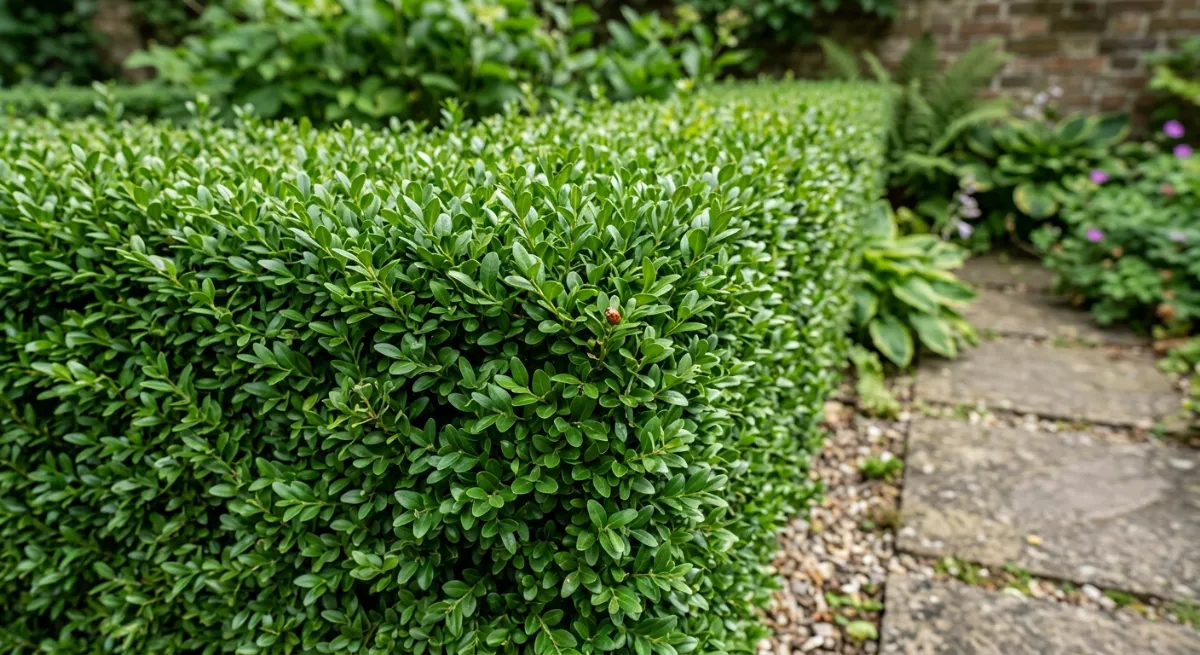
Buxus (Box Hedge) is the gold standard for formal, low-growing borders along pathways. It is a slow grower, usually requiring only 1 to 2 precision cuts per year. However, because of its formal nature, those cuts must be perfectly straight and level to look professional.
The Step-by-Step Professional Technique for Precision Hedge Shaping
Achieving a perfectly straight, lush boundary doesn’t happen by accident. It requires a systematic approach, sharp tools, and an understanding of plant biology. At Auckland Lawns, we pride ourselves on a meticulous process that guarantees consistent quality across every property we service.
The first step is always a visual assessment. Garry and the team inspect the hedge for any hidden hazards like wire fencing, nesting birds, or wasp nests. We also assess the health of the foliage, looking for signs of blight or pest infestations that might need monitoring.
Next, we establish our cutting lines. For formal hedges, we never rely purely on the naked eye. We use string lines and visual markers to ensure the top is perfectly level, compensating for any natural slopes or uneven ground on your section.
We always trim hedges so the base is slightly wider than the top. This technique, known as battering, ensures that sunlight can reach the lower branches. If a hedge is wider at the top, it casts a shadow on itself, causing the bottom leaves to die off and leaving bare, ugly stems.
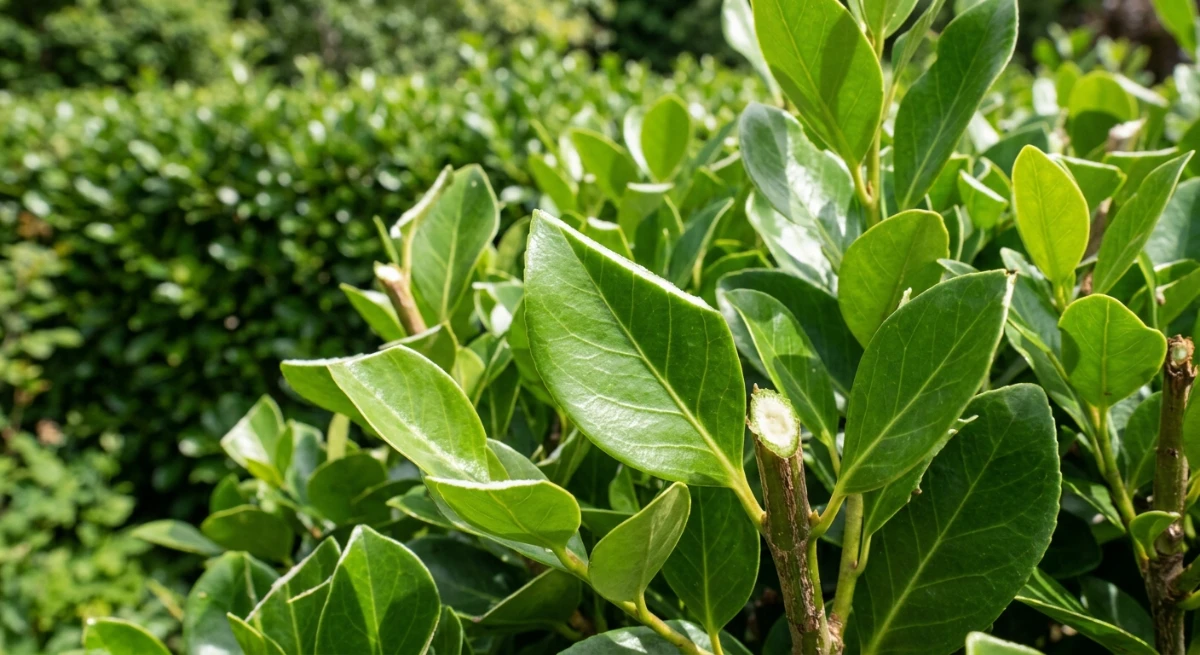
When executing the cut, we use commercial-grade, razor-sharp trimmers. Blunt blades tear the leaves rather than cutting them, which leads to brown, ragged edges and invites disease. A clean cut heals quickly and keeps the foliage looking vibrant and healthy.
Finally, the cleanup is just as important as the cut. A beautiful hedge is ruined if the driveway is left covered in debris. We meticulously rake, sweep, and pack all clippings into our trucks for eco-friendly green waste disposal, leaving your property immaculate.
Expert QA and Property Safety Standards: When to Call the Professionals
While light pruning with hand shears is a great weekend hobby, tackling a large, mature boundary hedge is entirely different. It often involves working at height on ladders, managing heavy power tools, and dealing with uneven terrain. This combination presents a significant safety risk for the average homeowner.
Calling in a reliable, scheduled service eliminates these risks completely. You don’t have to worry about balancing on a wobbly step-ladder with a running blade. Our team is fully equipped to handle standard residential and commercial heights safely and efficiently.
It is also important to know the limits. As a value-priced, routine maintenance provider, Auckland Lawns focuses strictly on aesthetic Hedge Trimming & Shaping and regular Garden Maintenance. If a massive, neglected macrocarpa hedge requires heavy chainsaws, elevated work platforms, or complete tree felling, that falls under specialized arborist work.
The most cost-effective way to manage your property is through a set-and-forget recurring plan. Regular, light trims are faster, cheaper, and healthier for the plant than waiting for it to become an overgrown monster that requires a massive, expensive tidy-up.
By partnering with a local, owner-operated business, you get the reliability of a large franchise without the inflated costs. Garry personally ensures that quality control remains high, so you can come home to a perfectly manicured section without lifting a finger.