Auckland’s temperate, humid climate is a paradise for lush gardens and beautiful lawns. Unfortunately, these exact environmental conditions also create the perfect breeding ground for aggressive, fast-growing weeds. For many homeowners and property managers, weekend yard work quickly degenerates into a frustrating, never-ending battle against nature.
Without a strategic approach, managing invasive plant species feels like taking one step forward and two steps back. You pull a handful of dandelions on Saturday, only to find a fresh crop sprouting by Wednesday. At Auckland Lawns, we specialize in breaking this cycle (find out more About Auckland Lawns). Indeed, understanding the biology of Weed Control & Garden Weeding is essential for maintaining a pristine property.
Achieving a neat, professional-looking landscape requires more than just reactive pulling. It demands a proactive, multi-layered strategy that addresses the root systems, the soil health, and the local seasonal patterns. By shifting from a reactive mindset to a preventative one, you can permanently reclaim your outdoor spaces.
Key Takeaways
Effective Weed Control & Garden Weeding requires a multi-layered approach. While hand pulling removes immediate surface growth, integrating selective herbicides and thick mulch prevents deep-rooted regrowth. For Auckland’s humid climate and clay soils, consistent seasonal maintenance is the only proven method to permanently suppress invasive garden weeds.
What is the Most Effective Method for Weed Control & Garden Weeding?
When dealing with overgrown sections, property owners constantly search for a single, magical solution to eradicate weeds forever. The reality is that weeds are highly evolved survivalists equipped with deep taproots, spreading rhizomes, and dormant seeds. Because different weeds utilize different survival mechanisms, no single eradication method works universally across all species.
Effective weed control in Auckland relies on accurately identifying the target plant and applying the right pressure to its specific vulnerability. For example, shallow-rooted annual weeds are easily defeated by simple surface cultivation. Conversely, deep-rooted perennials will simply regenerate if their subterranean energy stores are not completely destroyed.
To maintain a truly pristine outdoor environment, you must deploy a combination of physical removal, chemical intervention, and environmental suppression. This layered approach ensures that if a weed survives one line of defense, it is immediately neutralized by the next. Relying solely on one method inevitably leads to frustration and wasted weekend hours.
Hand Weeding vs. Chemical Spraying vs. Mulching: A Comparative Performance Matrix
Manual extraction, chemical application, and organic mulching represent the three primary pillars of property maintenance. Hand weeding provides immediate visual satisfaction and is highly effective for isolated, shallow-rooted invaders. However, if a root fragment is left behind in the soil, aggressive species will rapidly multiply and resurface.
Chemical spraying offers a systemic solution that travels through the plant’s vascular system to kill the root entirely. While highly efficient for large areas, herbicides require dry weather windows and precise application to avoid damaging non-target plants. This makes chemical control highly effective but environmentally sensitive.
Mulching acts as a preventative physical barrier that blocks the sunlight required for dormant weed seeds to germinate. While mulch does not kill existing mature weeds, a thick layer dramatically reduces future maintenance by starving new seedlings of essential light.
| Control Method | Immediate Impact | Long-Term Prevention | Best Use Case |
|---|---|---|---|
| Hand Weeding | High (Instant visual clearance) | Low (Roots often fragment and regrow) | Small garden beds, delicate ornamental areas |
| Chemical Spraying | Medium (Takes 7-14 days to die off) | High (Kills the complete root system) | Large driveways, lawns, heavy infestations |
| Organic Mulching | Low (Does not kill existing weeds) | High (Suppresses new seed germination) | Bare soil areas, established shrub borders |
| Integrated Management | High (Immediate clearance) | Very High (Prevents future growth cycles) | Comprehensive property maintenance |
The data clearly illustrates that relying on a single method yields diminishing returns over time. Integrated weed management, which combines pre-emergence suppression with targeted mechanical and chemical removal, consistently sustains over 90% efficacy. Neglecting to combine these methods ensures the weeds will eventually win.
Strategic Lawn and Garden Weed Control: Targeting Stubborn Weeds at the Root
The tactics required to manage a pristine lawn differ drastically from those needed to maintain an ornamental garden bed. Through regular Residential Lawn Mowing, turf environments can become highly competitive monocultures where the goal is to help the grass outcompete broadleaf invaders. Weeds like Onehunga weed, clover, and dandelions actively steal nutrients and water from your lawn, creating bare, unsightly patches.
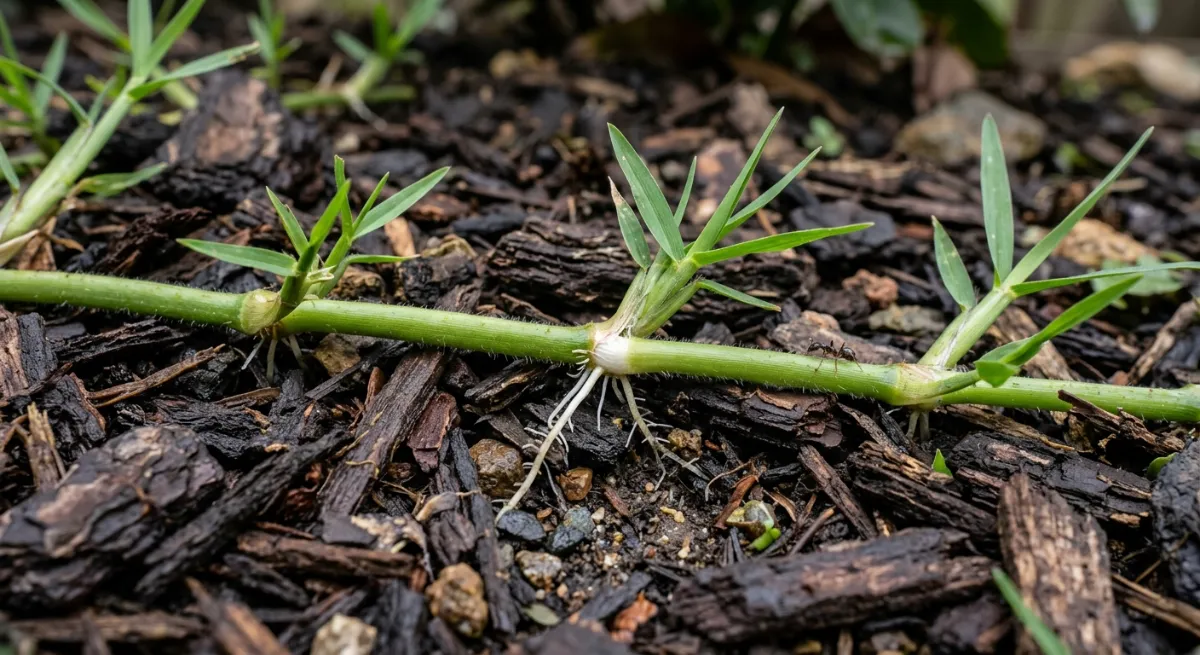
In contrast, garden beds present a complex environment filled with diverse, desirable plants that must be protected. Aggressive creeping weeds, such as Tradescantia and Kikuyu grass, often infiltrate these spaces by sending runners under fences and through topsoil. Because you cannot broad-spray a mixed garden bed without risking collateral damage, extraction requires surgical precision.
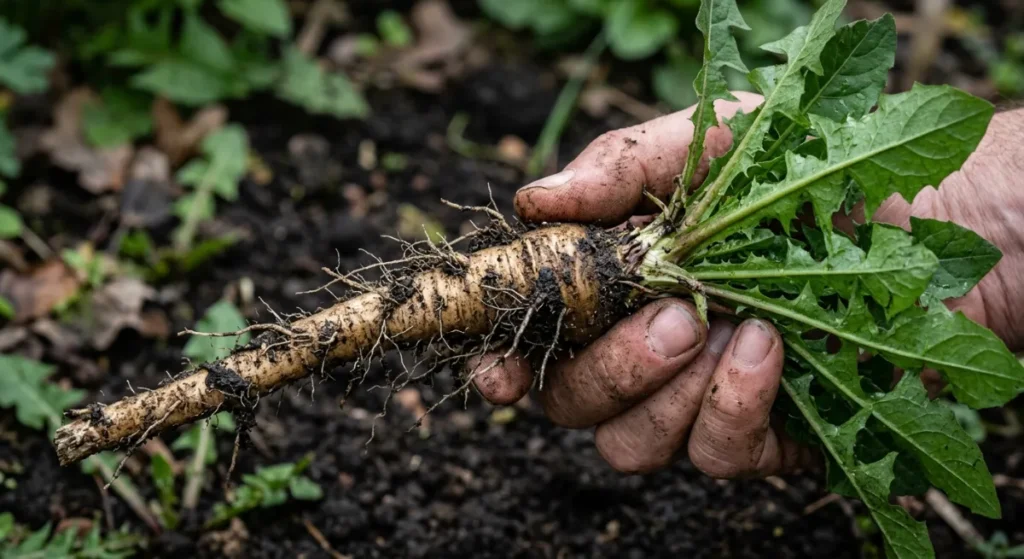
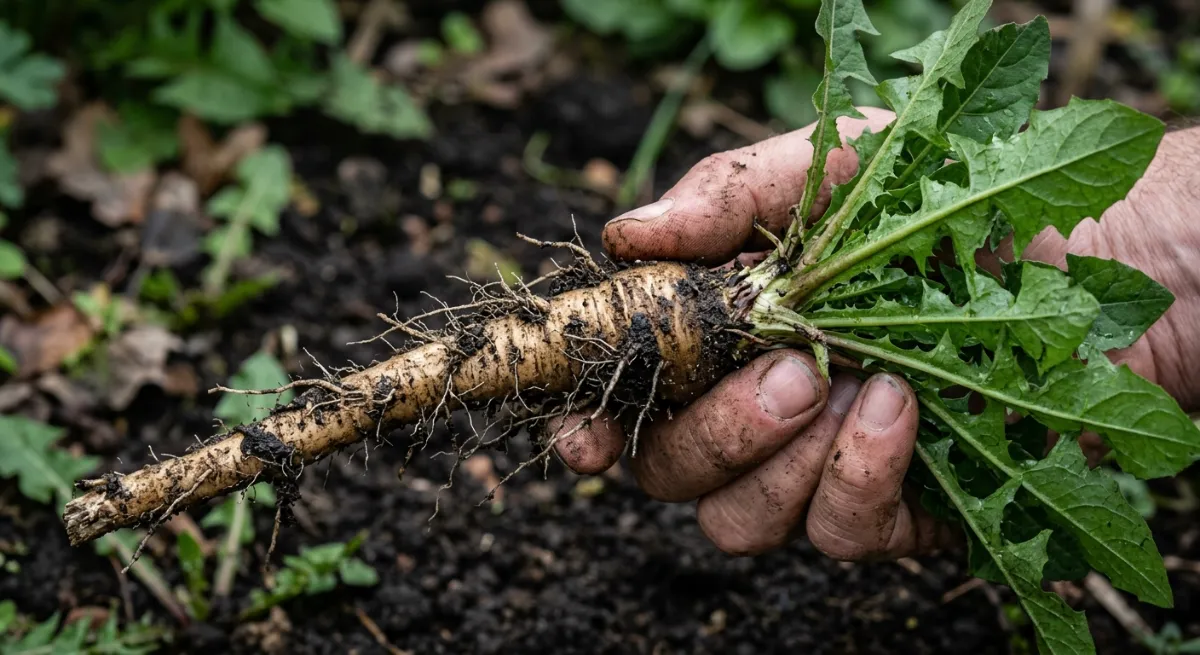
Before pulling a weed, check if it has a single taproot (like a dandelion) or a creeping rhizome network. Pulling rhizomes often snaps them, leaving fragments that will quickly regrow.
Deciding Between Selective Herbicides, Organic Sprays, and Non-Selective Methods
Understanding the chemical classification of weed treatments is critical for safe and effective professional weed management. Selective herbicides are scientifically formulated to target specific plant types, such as broadleaf weeds (dicots), while remaining completely harmless to turf grasses (monocots). This allows for broad application across an entire lawn without damaging the underlying grass.
Non-selective herbicides, such as glyphosate, disrupt essential enzyme pathways found in all green plants. These powerful chemicals will kill any foliage they touch, making them ideal for clearing driveways, paving cracks, and completely overgrown wastelands. However, their indiscriminate nature means they must be applied with extreme caution around desirable landscaping.
Never apply non-selective herbicides on windy days. Even microscopic airborne droplets can drift onto prized roses, native shrubs, or vegetable gardens, causing irreversible damage.
Organic alternatives, such as acetic acid (horticultural vinegar) and salt solutions, are gaining popularity for eco-conscious property maintenance. These natural sprays work by rapidly stripping the waxy cuticle from the leaf, causing the plant to dehydrate and collapse in the sun. While effective for burning off young, shallow seedlings, they cannot penetrate deep root systems, meaning perennial weeds will inevitably recover.
Professional Garden Maintenance Standards: Expert Rules for Long-Term Prevention
Professional groundskeepers do not just react to weeds; they actively manage the environment to make it inhospitable to invasive species. The golden rule of garden weeding services is managing the seed bank hidden within the topsoil. A single mature weed can drop thousands of seeds that remain viable in the ground for years, waiting for the right conditions to sprout.
Always eradicate weeds before they produce flowers. Once a weed goes to seed, it deposits thousands of future problems into your soil’s seed bank.
Another hallmark of professional care is maintaining sharp, defined physical boundaries between different landscaping zones. Deep edging along pathways and between lawns and gardens physically severs creeping stolons and rhizomes. This simple mechanical barrier prevents aggressive lawn grasses from migrating into soft, fertile garden soil.
Finally, improving overall soil health is a passive but highly effective weed deterrent. Many pioneer weeds thrive in poor, compacted, or overly acidic soils where desirable plants struggle. By aerating the soil and adding rich organic compost, you shift the biological balance, allowing your preferred plants to naturally crowd out the invaders.
Seasonal Weed Eradication Cycles for Auckland Gardens and Clay-Heavy Sections
Auckland’s unique climate dictates a strict seasonal rhythm for effective property maintenance. Ignoring these seasonal shifts will result in wasted effort and poor eradication rates. A proactive, year-round approach is the cornerstone of Auckland weed control.
- Spring: Explosive growth period. Focus on pre-emergent strategies and rapid knockdown of young seedlings before they establish deep taproots.
- Summer: Kikuyu runners actively invade garden beds. Focus on deep edging and targeted spot-spraying during dry weather windows.
- Autumn: Broadleaf weeds begin germinating as the soil cools. This is the optimal time for a second round of selective lawn treatments.
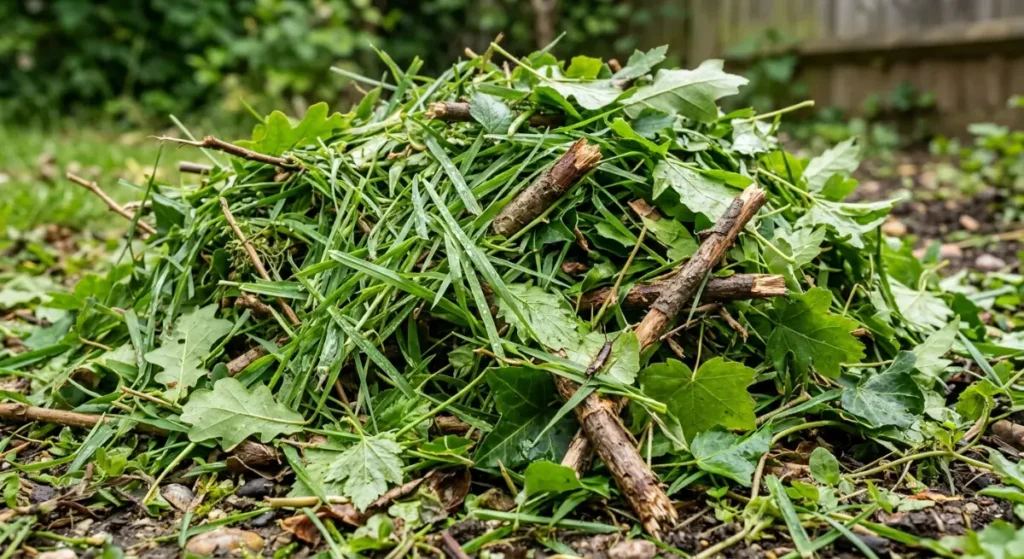
- Winter: Wet clay soils make pulling easier but spraying harder due to frequent rain. Focus on hand weeding, applying heavy mulch, and organizing professional Green Waste Removal.
Over-reliance on a single chemical family can also lead to localized herbicide resistance, a growing concern in New Zealand’s agricultural and pastoral sectors. By rotating methods and focusing on soil health, you build a resilient landscape that naturally suppresses unwanted growth. Ultimately, consistent, scheduled maintenance is the most cost-effective way to protect your property’s value and aesthetic appeal.
Heavy clay soils, common in West Auckland and the North Shore, become heavily compacted in summer. Wait for a light rain before attempting manual weeding to prevent root snapping.