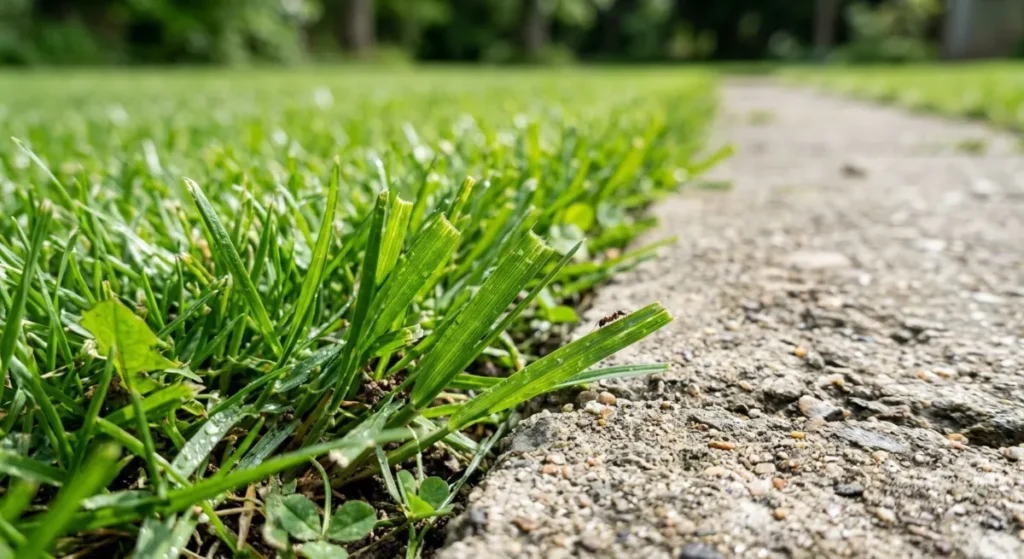
Maintaining a pristine section out West isn’t a task for the faint of heart. Between the sudden, heavy downpours rolling off the Waitākere Ranges and the notoriously stubborn clay soils beneath your boots, keeping your grass looking sharp requires serious local knowledge. For many time-poor homeowners, landlords, and busy professionals, the weekend is far better spent relaxing with family than wrestling with a temperamental mower.
When it comes to professional Henderson Lawn Mowing, reliability and consistency are the two most critical factors you need. A beautifully manicured lawn instantly elevates the street appeal of any property, but getting there means battling fast spring growth and navigating soggy winter grounds. We understand the exact environmental conditions that West Auckland properties face year-round.
Professional property maintenance should never be a luxury, nor should it be a source of ongoing stress. By understanding the unique growth patterns of local grass species and the challenges of the terrain, you can transform an overgrown yard into a neat, welcoming outdoor space. Let’s explore exactly what it takes to keep your section looking immaculate.
Key Takeaways
Professional Henderson Lawn Mowing requires adapting to West Auckland’s heavy clay soils and high seasonal rainfall. Fortnightly mowing is ideal for most residential sections, paired with precise weed-eating and proper green waste removal. Choosing a reliable, owner-operated service ensures consistent, value-priced results without the franchise markup.
Understanding Henderson’s Unique Lawn Care Challenges
West Auckland is geographically stunning, but its specific environment creates a perfect storm for unruly lawns. The combination of high humidity, frequent rain showers, and dense soil structures means grass can easily get out of hand. If left unchecked for even a few weeks, a neat lawn can quickly transform into an overgrown headache.
One of the biggest hurdles for local homeowners is dealing with the heavy clay soils prevalent across the western suburbs. During the winter months, this clay becomes heavily waterlogged and turns the turf into a muddy sponge. Walking heavy machinery over it at the wrong time can cause severe compaction and deep rutting.
Conversely, the hot summer months bake the clay until it resembles concrete, causing grass roots to struggle for moisture and leading to dry, yellowing patches. A professional approach to Henderson Lawn Mowing requires adjusting cutting techniques to protect the grass during these extreme seasonal shifts.
West Auckland Weather and Seasonal Grass Growth
The proximity to the Waitākere Ranges means Henderson receives its fair share of localized, heavy rainfall. This moisture, combined with Auckland’s naturally warm and humid climate, creates an exceptionally long and vigorous growing season. Grass species like perennial ryegrass and kikuyu thrive in these conditions, pushing up rapid growth from September through to December.
Understanding these seasonal growth spikes is crucial for maintaining a tidy property without burning out your equipment. During the spring flush, grass can easily double its height in just a week. This rapid accumulation of biomass requires powerful, well-maintained mowers to cut cleanly without tearing the blades.
As the chart illustrates, the demand for regular maintenance peaks heavily in the spring and autumn months. During the drier summer months, growth slows down considerably, requiring a distinct shift in strategy. Raising the mower deck during this time helps the grass retain moisture and shades the sensitive roots from the harsh New Zealand sun.
Never scalp your lawn during the hot summer months. Leaving the grass slightly longer (around 5-7cm) provides natural shade to the clay soil, preventing it from cracking and helping the roots retain essential moisture.
Best Practices for Lawn Mowing in Henderson Suburbs
Achieving that perfect, carpet-like finish on your lawn isn’t just about starting an engine and pushing a machine around the section. It requires a deliberate, methodical approach tailored to the specific grass type and soil conditions of your property. Cutting too short, too often, or with dull blades can cause long-term damage to the turf.
A core principle we strictly follow is the “one-third rule.” This horticultural standard dictates that you should never remove more than one-third of the grass blade’s total height in a single mow. Adhering to this rule prevents the plant from going into shock and encourages deep, healthy root development.
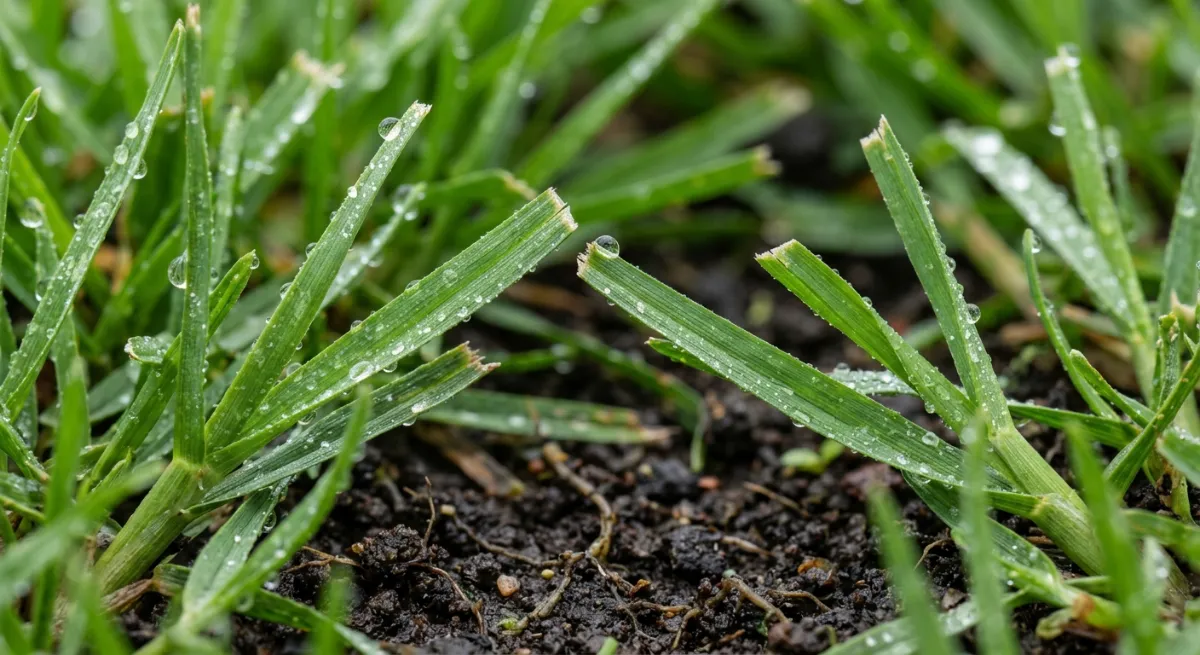
When grass is allowed to grow too long and then suddenly chopped down to the dirt, it leaves the soil exposed to invasive weed seeds. This is a common mistake made by homeowners trying to stretch out the time between mows to save effort. Consistent, moderate trimming is the true secret to a lush, weed-free yard, often paired with professional Weed Control & Garden Weeding.
Selecting the Right Mowing Frequency
Determining how often your lawn needs attention depends entirely on the season and your personal aesthetic goals. For most residential properties and busy landlords, finding the sweet spot between budget and appearance is key. We highly recommend setting up a recurring, automated schedule so you never have to guess when the lawn will be done.
| Service Frequency | Best Suited For | Seasonal Recommendation |
|---|---|---|
| Weekly Mowing | House-proud homeowners wanting a premium, highly manicured look. | Ideal during the rapid Spring growth flush (September to November). |
| Fortnightly Mowing | Busy families, landlords, and standard commercial properties. | The standard, budget-friendly year-round schedule for most Auckland lawns. |
| Monthly / One-Off | End of tenancy tidy-ups or overgrown section clear-outs. | Strictly for the deep winter months when grass growth completely stalls. |
For the vast majority of our local clients, a fortnightly schedule provides the perfect balance of care. It keeps the property looking consistently neat and tidy without inflating annual maintenance costs. During the absolute peak of spring, some clients opt to temporarily switch to a weekly schedule to manage the explosive grass growth.
Pushing mowing schedules out to three or four weeks during spring will result in overgrown, thick grass. Mowing overgrown grass often leaves ugly yellow patches and clumps of rotting green waste behind.
Essential Edge Care and Weed-Eating for a Clean Section
A freshly mowed lawn is only half the job completed. The true hallmark of professional Henderson Lawn Mowing lies in the meticulous attention paid to the edges and borders. Without crisp, defined boundaries, even the healthiest and greenest grass will look untidy and neglected from the street.
Weed-eating around fences, retaining walls, and garden beds requires a steady hand and an eye for fine detail. We ensure that grass isn’t allowed to creep over concrete pathways or smother your low-lying garden plants, and we can also assist with Decorative Shrub Shaping. This level of precision instantly elevates the visual appeal of the entire property.
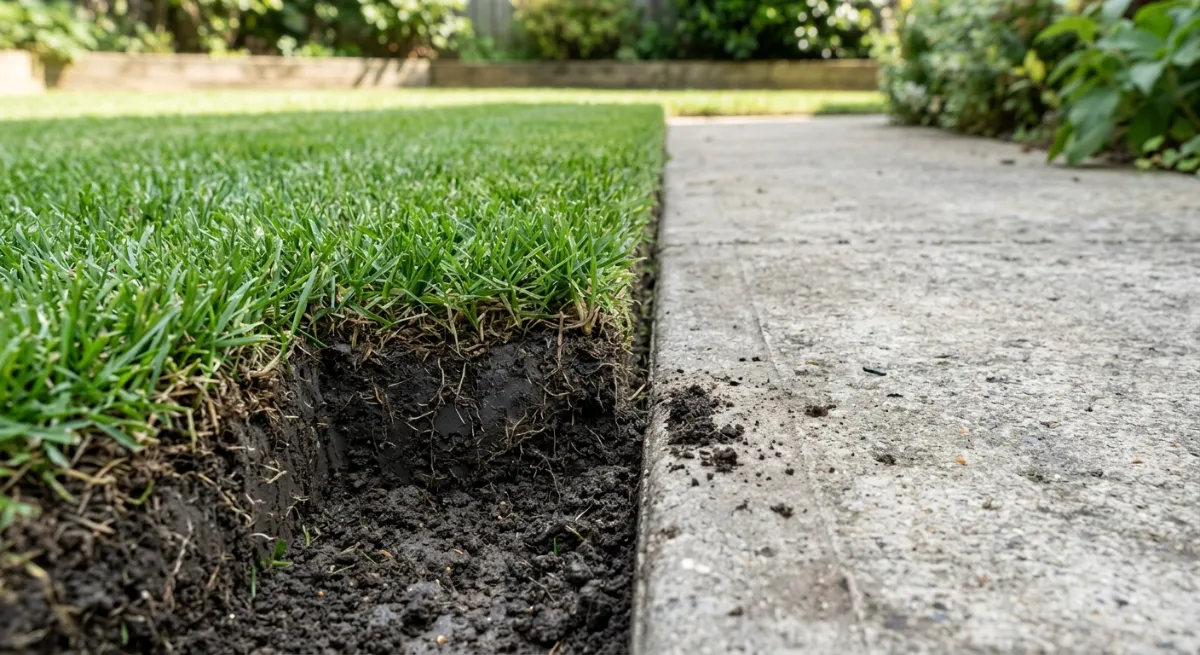
Proper edge maintenance is also a highly effective way to deter local pests. Overgrown boundaries and long grass against the house provide perfect hiding spots for rodents and unwanted insects. By keeping the perimeter tightly trimmed, you remove their natural cover and protect your home’s exterior.
Managing Green Waste and Clippings
Dealing with mountains of grass clippings and garden debris is a common frustration for Auckland homeowners. Stuffing damp clippings into plastic bags or waiting in long queues at the local Waitākere refuse station eats into your valuable weekend time. A comprehensive maintenance service handles this chore seamlessly.
We ensure that all organic waste generated during our visit is dealt with properly. Leaving thick clumps of wet grass clippings on the lawn can suffocate the turf underneath and promote fungal diseases. We prioritize leaving the section completely clean, blowing down driveways and paths so no messy residue is left behind.
During the drier summer months, we may recommend mulching the fine clippings back into the lawn. This acts as a natural fertilizer, returning vital nitrogen to the soil and helping the clay retain moisture.
How to Choose a Reliable Henderson Lawn Mowing Partner
The local market is flooded with operators, but finding one that actually turns up when promised is surprisingly difficult. Many homeowners have experienced the deep frustration of “no-shows” or contractors who rush the job, leaving ragged edges and messy pathways. Reliability should be your absolute non-negotiable baseline.
When searching for dependable Henderson Lawn Mowing, look closely for an owner-operated business. Large, faceless franchises often pass inflated administrative fees down to the customer, while the actual worker on your property has little stake in the final quality. An owner-operator is personally invested in every single cut and stands behind their work—learn more About Auckland Lawns and our commitment to excellence.
Always seek out a provider who offers clear, upfront quotes. Budget-friendly pricing shouldn’t mean a compromise on quality; it simply means avoiding unnecessary franchise markups.
Here are the key attributes you should demand from a local lawn care provider:
- Guaranteed Turn-Ups: A strict commitment to arriving on the scheduled day, with proactive text or email communication if Auckland’s unpredictable weather forces a delay.
- Active Owner Involvement: Quality control is vastly superior when the business owner is actively on the tools, supervising the team, and checking the site.
- Transparent, Value-First Pricing: Clear, upfront quotes without hidden fees, travel surcharges, or sudden price hikes.
- Comprehensive Clean-Up: The job isn’t considered finished until the driveways are blown clean, the edges are weed-eaten, and the green waste is entirely removed.
Ultimately, professional property maintenance shouldn’t be a hassle. By partnering with a dedicated, local team, you reclaim your weekends and eliminate yard-work stress. You gain the ultimate peace of mind knowing your section will always look its absolute best, week in and week out.