The landscape of Central Auckland presents a unique challenge for homeowners and property managers alike. From the rich volcanic slopes of Mt Eden to the heavy, reactive clay soils found in Grey Lynn and Ponsonby, maintaining a pristine outdoor space requires deep local knowledge.
A generic, one-size-fits-all approach to lawn care simply does not work in this diverse region. The combination of high winter rainfall and humid, dry spells in summer creates an environment where aggressive grass species can quickly overwhelm a neglected section.
For busy professionals and house-proud residents, understanding the specific needs of your local soil and grass type is the first step toward a worry-free property. By tailoring your maintenance schedule to the unique micro-climates of Central Auckland, you can achieve a consistently neat, healthy lawn year-round.
Key Takeaways
Effective Central Auckland lawn care requires adapting to diverse local soils, from Mt Eden’s volcanic loam to Grey Lynn’s reactive clay. Managing aggressive Kikuyu in summer and maintaining Ryegrass in winter demands consistent mowing, proactive weed control, and a reliable seasonal maintenance schedule.
Central Auckland Lawn Care: The Definitive Guide to Soil, Grass Types, and Seasonal Maintenance Schedules
To truly master lawn care in Central Auckland, you must first understand the region’s dynamic climate. The area receives an average of 1,190mm of rainfall annually, with the bulk of it arriving during the winter months.
This distinct wet season, followed by highly humid and occasionally drought-prone summers, dictates exactly how and when your grass will grow. Without a proactive maintenance schedule, sections can quickly spiral out of control. Regular mowing is not just about aesthetics; it is a vital health requirement for the turf.
The chart below illustrates the average monthly rainfall data for the Auckland region. Notice the significant spike in precipitation from May through August, which directly impacts soil moisture levels and mowing viability.
During the peak spring flush (October to November), grass growth accelerates rapidly. Fortnightly mowing is highly recommended during this period to prevent the lawn from becoming unmanageable.
Comparing Central Auckland Suburbs: Soil Profiles, Grass Suitability, and Mowing Frequencies
The inner-city suburbs are far from uniform when it comes to ground conditions, much like the variations seen on the North Shore or in South Auckland. Properties located near volcanic cones benefit from incredibly fertile, free-draining soil. Conversely, suburbs closer to the western fringe often battle with dense, reactive clays that become waterlogged in winter.
These varying soil profiles dictate which grass species will naturally thrive on your property. For example, volcanic loam supports a wide variety of fine turf grasses, while clay soils often favor hardy, aggressive runners that can survive surface cracking in summer. Understanding your specific suburb’s profile helps in setting realistic expectations for your lawn’s appearance.
| Suburb Area | Primary Soil Profile | Dominant Grass Type | Drainage Quality |
|---|---|---|---|
| Mt Eden / Epsom | Volcanic Loam / Rock | Ryegrass Blends / Fescue | Excellent (Fast draining) |
| Grey Lynn / Ponsonby | Reactive Clay | Kikuyu / Couch | Poor (Prone to waterlogging) |
| Parnell / Remuera | Mixed Loam & Clay | Tall Fescue / Kikuyu | Moderate |
Managing Kikuyu vs. Rye Grass in Volcanic and Clay Soils of Inner Auckland
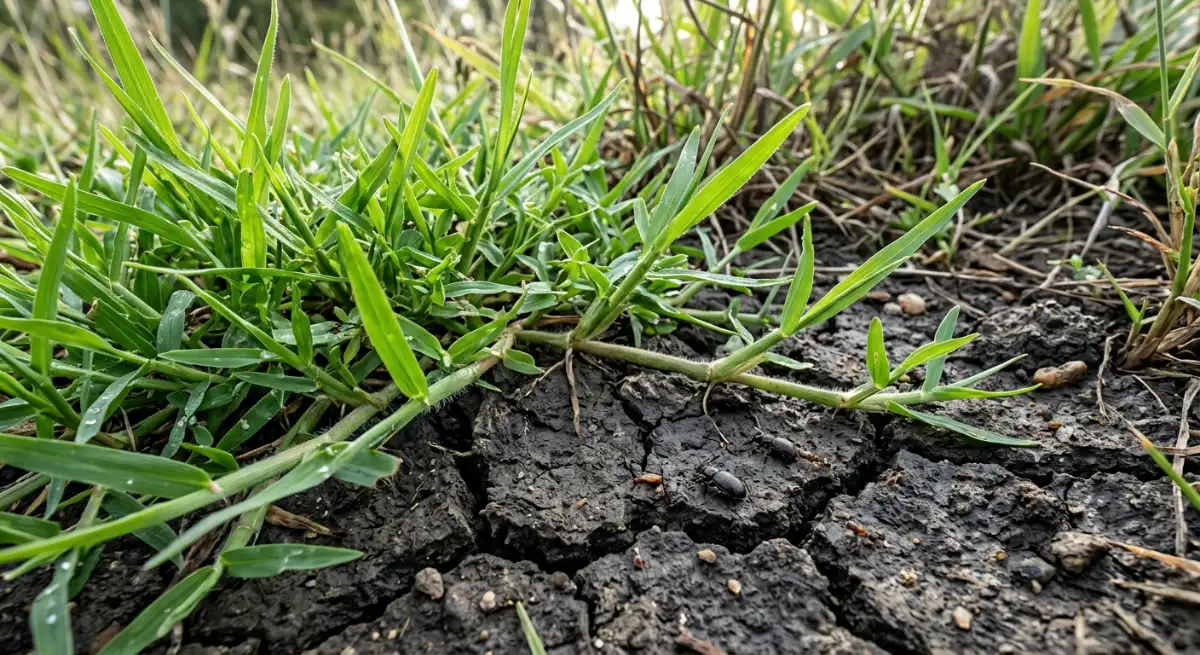
Kikuyu is a warm-season grass that dominates many older Central Auckland sections, particularly those with poor soil quality. It is incredibly drought-tolerant and forms a dense, spongy mat that crowds out broadleaf weeds.
However, Kikuyu’s aggressive nature means it requires strict boundary management. If left unedged, its thick runners will quickly invade garden beds, climb fences, and encroach onto concrete pathways. Regular weed-eating and edging are absolute necessities to keep a Kikuyu lawn looking sharp and professional.
Conversely, Perennial Ryegrass is a cool-season variety favored for its fine texture and deep green winter color. It thrives in the well-draining volcanic soils of Mt Eden and Epsom. Ryegrass establishes quickly from seed and provides excellent wear tolerance for family homes.
The primary drawback of Ryegrass in Auckland is its vulnerability during the dry summer months. Without supplementary watering, it can brown off and thin out, allowing opportunistic weeds to take hold. Maintaining a slightly higher cutting height in summer helps shade the soil and protect the Ryegrass roots.
Never cut more than one-third of the grass blade length in a single mow. Scalping the lawn exposes the soil to intense summer sun, rapidly drying out the roots and inviting weed infestations.
Step-by-Step Central Auckland Garden and Lawn Preparation for Humid Summers
The transition from a wet spring into a humid summer is a critical period for property maintenance in Central Auckland. As temperatures rise, the combination of residual soil moisture and heat creates a greenhouse effect. This rapid growth phase requires immediate attention to prevent sections from looking unkempt.
Preparation should begin in late November. The goal is to fortify the lawn’s root system before the dry heat sets in. This involves adjusting your mowing habits, managing green waste, and tidying garden borders to improve airflow.
- Raise the Mower Deck: Increase the cutting height by one or two notches to leave the grass slightly longer. This extra length provides vital shade to the soil surface.
- Clear Green Waste: Ensure all grass clippings and fallen leaves are completely removed from the lawn. Debris left on the grass during humid weather promotes fungal diseases.
- Define Garden Edges: Sharpen the boundaries between the lawn and garden beds using a weed-eater. This stops aggressive summer grasses from invading ornamental planting areas.
- Trim Low-Hanging Shrubs: Prune back the lower branches of hedges and shrubs to improve air circulation across the lawn, reducing the risk of damp patches.
Expert Local Insights: Garry’s Verified Case Study on Revitalizing Grey Lynn Clay Sections
Garry, the active owner-operator of Auckland Lawns, frequently encounters challenging sections throughout the inner-city suburbs. One notable case involved a rental property in Grey Lynn. The lawn had been severely neglected by previous tenants and was entirely overrun by a thick, spongy mat of Kikuyu grass.
Because the property sat on heavy clay, the soil was heavily compacted, and the Kikuyu had grown over the concrete pathways by nearly a foot. The landlord needed a fast, reliable tidy-up to prepare the home for new tenants, without the expense of a full landscape renovation.
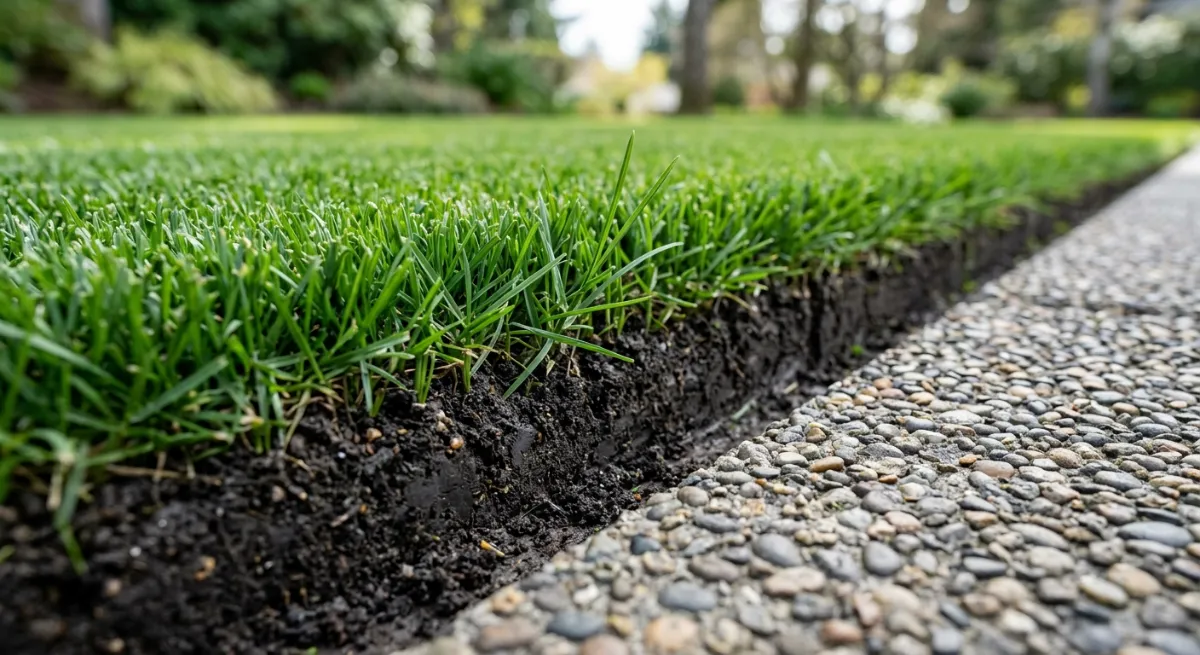
The solution did not require heavy machinery or expensive turf replacement. Garry’s team implemented a systematic reduction of the overgrowth. They first tackled the boundaries, using heavy-duty weed-eaters to reclaim the concrete edges and redefine the garden beds.
Next, the lawn was mowed down in stages over two visits to avoid shocking the grass. By simply applying consistent, high-quality mowing and meticulous edge trimming, the property’s street appeal was completely restored. This value-first approach saved the landlord significant money while delivering immediate visual impact.
Maintenance Checklists for Central Auckland Landlords and Busy Homeowners
For property investors and time-poor professionals, setting up a reliable maintenance routine is essential. You want the peace of mind that comes with knowing the property is being cared for, without having to spend your weekends pulling mower cords.
A “set-and-forget” schedule is the most effective way to protect your real estate asset. Regular visits prevent small issues, like a few weeds, from turning into major overgrowth problems that require expensive one-off tidy-ups.
Lock in a fortnightly mowing schedule during spring and summer, dropping to a three-weekly cycle in winter. Ensure your contractor provides photo proof of completed work to guarantee the property standards are being met between tenancies.
Selecting Local Property Maintenance Services: Checklist for Central Auckland Residents
Choosing the right lawn care provider across our various Service Areas in Central Auckland can be a frustrating process. The industry is unfortunately known for poor communication, missed appointments, and inconsistent cut quality. Many residents have experienced the frustration of contractors simply not showing up.
When evaluating a local service, prioritize reliability and transparency. You want a team that guarantees their schedule and proactively communicates if Auckland’s unpredictable weather forces a delay. A dependable provider treats your property with the same respect as a neighbor would.
Look for services that are owner-operated, where the person running the business is actively involved in quality control. This structure ensures accountability and prevents the “blow-and-go” mentality often seen with large, faceless franchises. Value-priced, budget-friendly rates should always be paired with meticulous attention to detail, especially regarding edges and cleanup.
Always ask if green waste removal is included in the standard quote. A professional service will never leave messy clippings on your driveway, pathways, or in your garden beds.