Managing a commercial property is vastly different from maintaining a residential backyard. The stakes are higher, the footprint is larger, and the margin for error is virtually nonexistent. For property managers, body corporates, and retail center operators, the exterior of a building is the first physical touchpoint for clients and tenants. A neglected perimeter instantly communicates unprofessionalism and can even impact property valuations.
To mitigate these risks, astute property managers rely on formalized Commercial Grounds Contracts. These agreements shift exterior maintenance from a reactive, stressful chore to a streamlined, automated system. By partnering with a reliable, owner-operated service provider, businesses can ensure their grounds remain pristine, safe, and welcoming year-round without the headache of micromanagement.
However, not all maintenance agreements are created equal. The industry is rife with faceless franchises that promise the world but deliver inconsistent, “blow-and-go” quality. Understanding the nuances of service models, pricing structures, and safety compliance is critical to securing a contract that actually delivers value. This comprehensive guide breaks down exactly what you need to know to source, structure, and manage a successful commercial landscaping partnership.
Key Takeaways
Commercial Grounds Contracts are structured agreements ensuring proactive, year-round maintenance of corporate landscapes. They typically utilize fixed-rate retainers for predictable budgeting while guaranteeing strict adherence to safety regulations like the Health and Safety at Work Act 2015. Choosing a reliable, owner-operated provider ensures consistent quality and limits liability.
What is a Commercial Grounds Contract? Quick Definition and Key Deliverables
A commercial grounds contract is a formalized service agreement between a property management entity and a professional lawn care provider like the team behind About Auckland Lawns. It establishes a recurring schedule for landscape maintenance, ensuring the property remains aesthetically pleasing and safe for public access. Rather than relying on sporadic, on-demand bookings, a contract guarantees priority service.
These agreements are meticulously tailored to the specific environmental demands of the property. Standard inclusions encompass routine lawn mowing—similar to our premium residential services like Ponsonby Lawn Mowing—precision weed-eating around obstacles, garden bed maintenance, and the complete removal of green waste. For businesses in regions with unpredictable climates, such as Auckland’s humid summers and heavy spring rains, this proactive scheduling is indispensable.
The primary goal of these contracts is to establish what we call “The Reliability Lock.” Property managers need absolute certainty that the contractor will turn up on the scheduled day without needing a reminder. If weather forces a delay, a professional partner will proactively communicate the schedule adjustment before the client even has to ask.
Types of Commercial Grounds Maintenance Service Models
When establishing Commercial Grounds Contracts, facility managers generally select between two primary financial structures. The right choice depends heavily on the organization’s cash flow preferences and their desire for budget predictability. The global commercial landscaping market is expanding rapidly, driving a shift toward more formalized billing models.
Historically, many small businesses relied on informal, handshake agreements. Today, corporate compliance and financial forecasting demand strict, documented pricing models. Let’s explore the fundamental differences between fixed-rate retainers and per-visit pricing.
Comparative Matrix: Fixed-Rate Retainers vs. Per-Visit Pricing Structures
Fixed-rate retainers are annualized contracts divided into equal monthly installments. This model is highly favored by body corporates and corporate landlords because it provides absolute budget certainty. Whether the grass requires weekly cutting in November or monthly trims in July, the invoice remains identical.
Conversely, per-visit pricing charges the client only when a service is actively performed. While this seems cost-effective during dormant winter months, it can lead to unpredictable budget spikes during peak spring growth. We strongly recommend fixed retainers for commercial entities seeking long-term financial stability and value-first pricing.
| Feature | Fixed-Rate Retainer | Per-Visit Pricing |
|---|---|---|
| Budget Predictability | High (Identical monthly invoices) | Low (Fluctuates with seasonal growth) |
| Administrative Burden | Minimal (Set-and-forget billing) | High (Requires auditing variable invoices) |
| Priority Scheduling | Guaranteed priority during peak season | Subject to contractor availability |
| Best Suited For | Body corporates, retail centers, offices | Small one-off sites, vacant lots |
The global commercial landscaping sector is experiencing massive growth as more businesses recognize the value of outsourced, contracted maintenance. As property developers prioritize curated landscapes to improve tenant satisfaction, the demand for reliable service providers continues to surge.
Crucial Service Level Agreement (SLA) Specifications for Commercial Grounds Contracts
A robust Service Level Agreement (SLA) is the operational backbone of any successful maintenance partnership. It explicitly defines what is included, how often tasks are executed, and the exact standards that must be met. Ambiguity within an SLA is the leading cause of disputes between property managers and grounds crews.
Clear SLAs should detail the exact frequency of visits during different seasons, adjusting for fast spring growth and winter slowdowns. They must also specify the acceptable height of the cut, the method of green waste disposal, and adherence to quiet hours for commercial offices. A premier provider will guarantee that driveways, carparks, and paths are blown entirely clean of clippings before leaving the site.
Furthermore, it is vital to outline what is not included in the contract. Setting clear boundaries prevents scope creep and ensures the contractor can deliver top-tier results on their core competencies without being stretched thin.
Standard commercial lawn contracts focus on routine maintenance. Ensure your SLA explicitly excludes high-risk tasks like heavy arborist tree removal, major hardscaping construction, or complex irrigation installation to avoid liability and licensing issues.
Health, Safety, and Public Liability Standards for Commercial Site Maintenance
In New Zealand, commercial property maintenance is heavily regulated by the Health and Safety at Work Act 2015 (HSWA). Under this stringent legislation, both the property owner and the grounds contractor are legally considered Persons Conducting a Business or Undertaking (PCBUs). This means safety duties are overlapping, and both parties are responsible for site safety.
A professional contractor must provide comprehensive safety documentation before ever stepping onto a commercial site. This includes up-to-date public liability insurance, hazard identification protocols, and safe operating procedures for heavy mowers and motorized trimmers. Operating without these safeguards exposes the property owner to severe legal and financial repercussions.
Beyond legal compliance, a commitment to safety demonstrates respect for the client’s staff and customers. Utilizing highly visible signage, adhering to speed limits in carparks, and scheduling noisy tasks away from peak business hours are hallmarks of a premium, owner-operated service.
Because both the facility manager and the contractor are PCBUs, you must actively consult, cooperate, and coordinate on health and safety matters. You cannot simply outsource your legal safety obligations.
Quality Control: How to Audit and Verify Commercial Grounds Performance
The commercial landscaping industry often suffers from a frustrating lack of consistency. Large, faceless franchises frequently deploy rotating rosters of inexperienced staff, leading to ragged lawn edges, grass clippings in garden beds, and messy driveways. To combat this, strict quality control measures must be integrated into all Commercial Grounds Contracts.
The most effective quality control comes from direct, owner-operator involvement. When the business owner is actively on the tools, auditing site work, and personally supervising the crew, the cut quality remains consistently exceptional. This hands-on approach ensures that the high standards promised during the quoting phase are actually delivered on the ground.
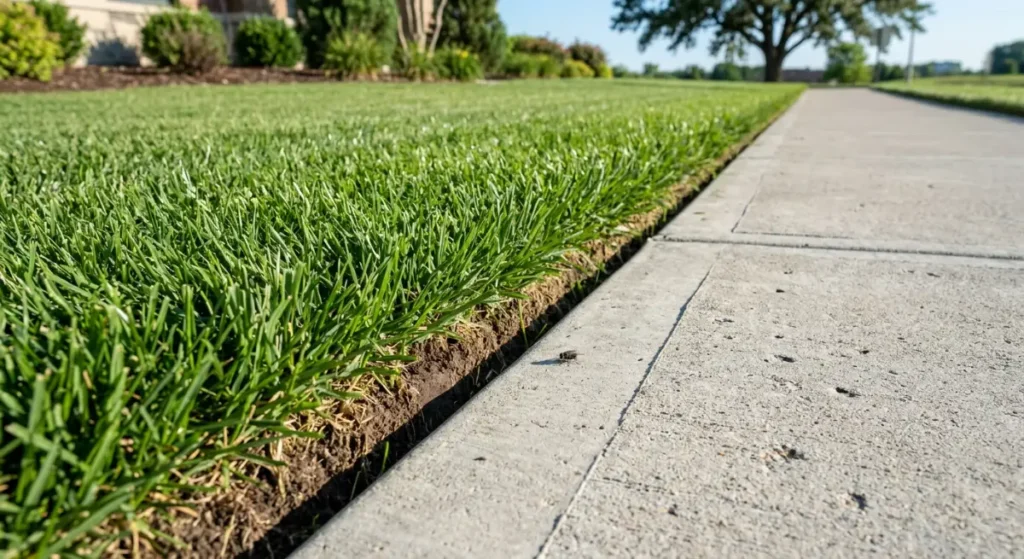
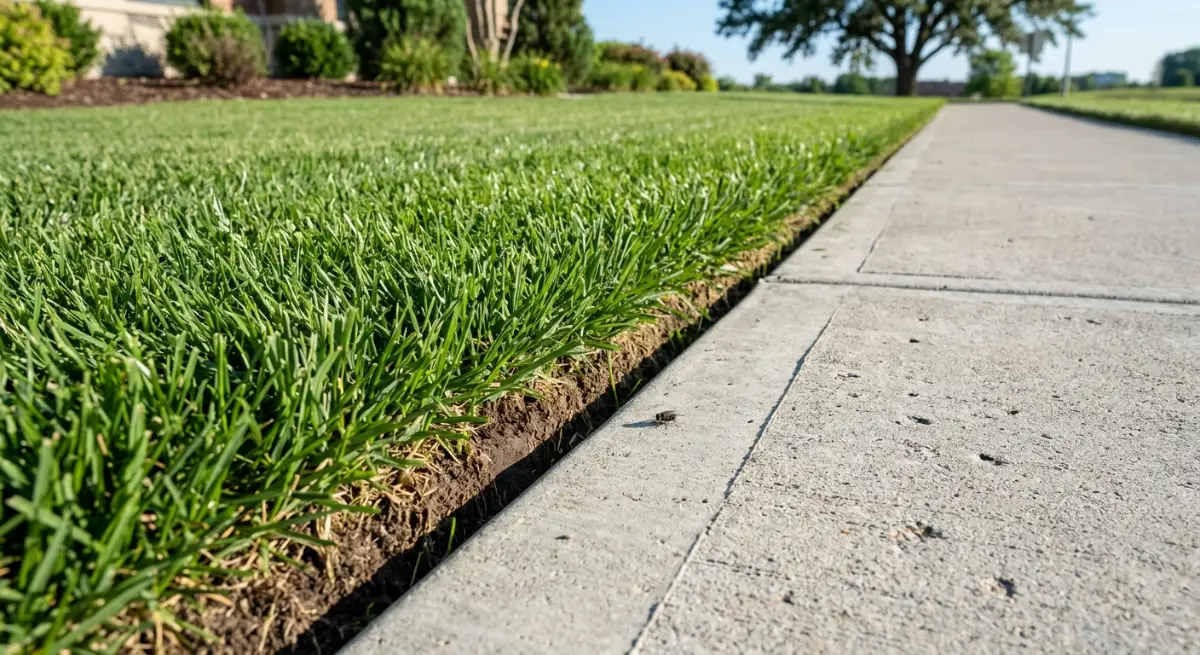
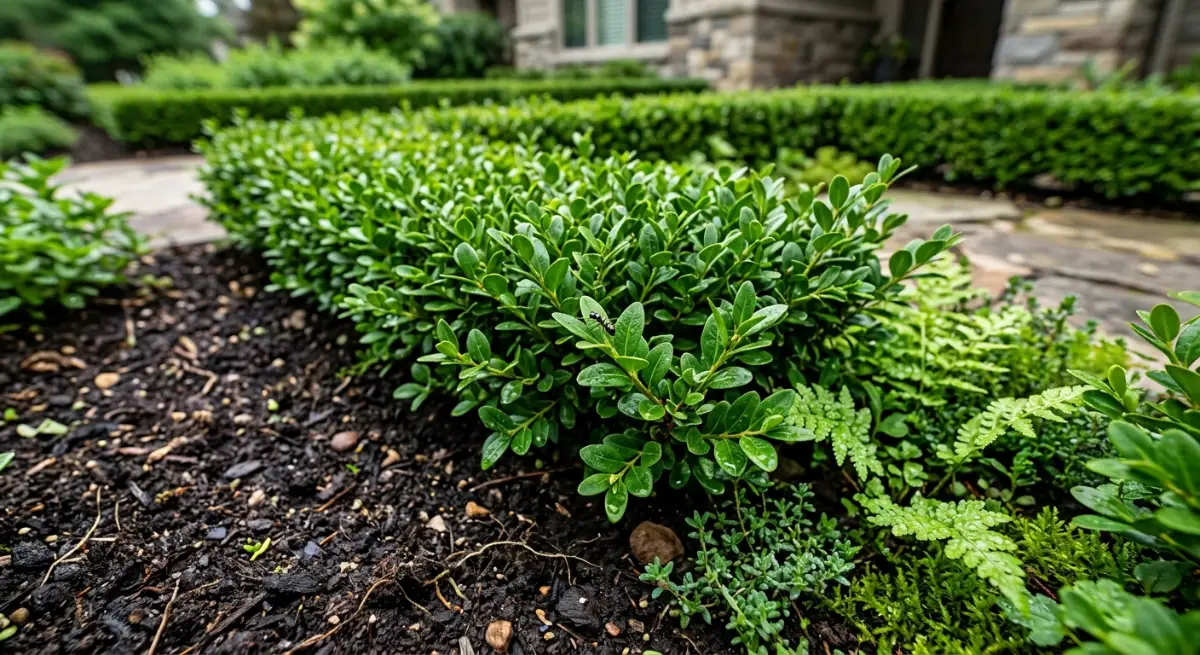
Property managers should conduct monthly walk-throughs to verify contract compliance. Look for clean sightlines along boundary hedges, weed-free mulch beds, and crisp edges along all concrete perimeters. If you find yourself constantly having to “inspect” the lawn after the team leaves, it is time to source a new provider.
A Strategic Step-by-Step Checklist for Sourcing and Awarding a Grounds Contract
Selecting the right maintenance partner requires a systematic, objective approach. To avoid unreliable operators and bait-and-switch pricing, property managers should use a standardized vetting process. Follow this checklist to ensure your corporate property is in capable, trusted hands:
- Verify Safety Credentials: Request proof of comprehensive public liability insurance and HSWA 2015 compliance documentation before discussing prices.
- Demand Pricing Transparency: Ensure the quote is value-priced and budget-friendly, with no hidden franchise markups or sudden surcharges for green waste disposal.
- Assess Owner Involvement: Ask who will actually be managing the site. Prioritize companies where the owner is actively involved in training and quality control.
- Review the SLA Frequencies: Confirm that the contract clearly outlines seasonal visit adjustments (e.g., weekly in spring, fortnightly in winter).
- Check Communication Protocols: Evaluate their responsiveness during the quoting phase. No-friction communication is a strong indicator of future reliability.
When drafting your contract, bundle lawn mowing, hedge trimming, and green waste removal into a single comprehensive package. This reduces administrative overhead and ensures a uniform aesthetic across the property.
Ultimately, the success of Commercial Grounds Contracts hinges on mutual trust and clear expectations. By prioritizing reliability, owner-backed quality, and value-first pricing, property managers can secure a maintenance partnership that enhances their property’s curb appeal while completely eliminating weekend stress. Get started today with a Commercial Consultation Booking.