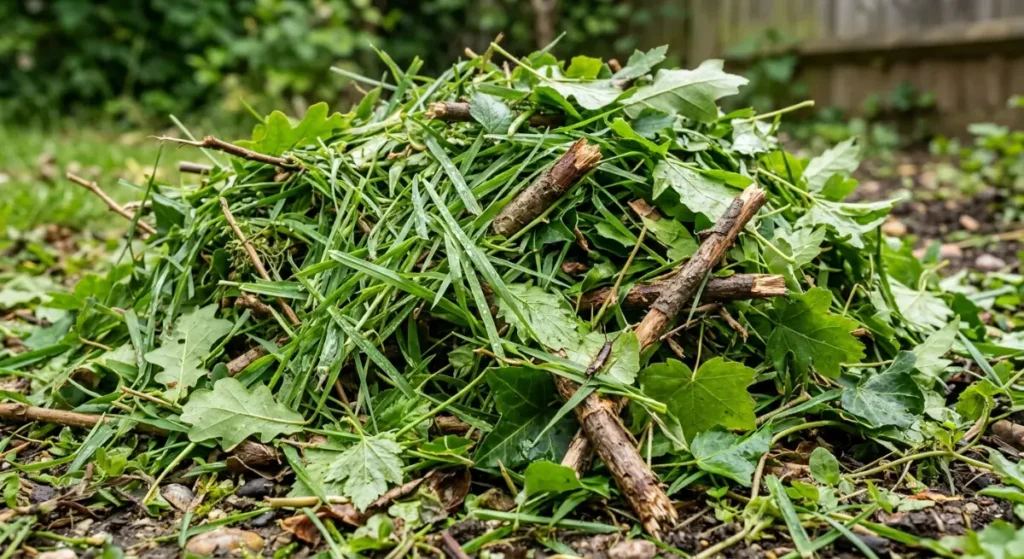
Yard work is demanding enough without having to worry about the massive piles of branches and clippings left behind. For many property owners, figuring out what to do with this organic debris is the most frustrating part of weekend maintenance.
Proper Green Waste Removal is more than just throwing leaves into a bin; it is a highly regulated and critical environmental practice. When organic matter is disposed of correctly, it bypasses overcrowded landfills and is transformed into nutrient-rich compost.
Understanding the rules of organic recycling ensures your property stays immaculate while protecting the local ecosystem. Let’s explore exactly how organic waste is processed and how to manage it efficiently.
Key Takeaways
Green waste removal is the safe collection and recycling of organic garden debris like grass clippings, leaves, and branches. Proper disposal diverts organic matter from landfills, reducing methane emissions. In Auckland, general garden waste cannot go in standard household rubbish bins, making private collection or dedicated composting essential.
What is Green Waste Removal and How Does Organic Waste Recycling Work?
Green Waste Removal refers to the systematic collection and disposal of biodegradable garden debris. This includes everything from routine lawn clippings and fallen leaves to pruned branches and dead flowers.
When you utilize a dedicated garden waste collection service, the material does not just sit in a dump. Instead, it is transported directly to specialized commercial composting facilities.
At these facilities, the organic debris is shredded, aerated, and closely monitored for exact temperature and moisture levels. Over several months, natural microorganisms break down the complex plant fibers efficiently.
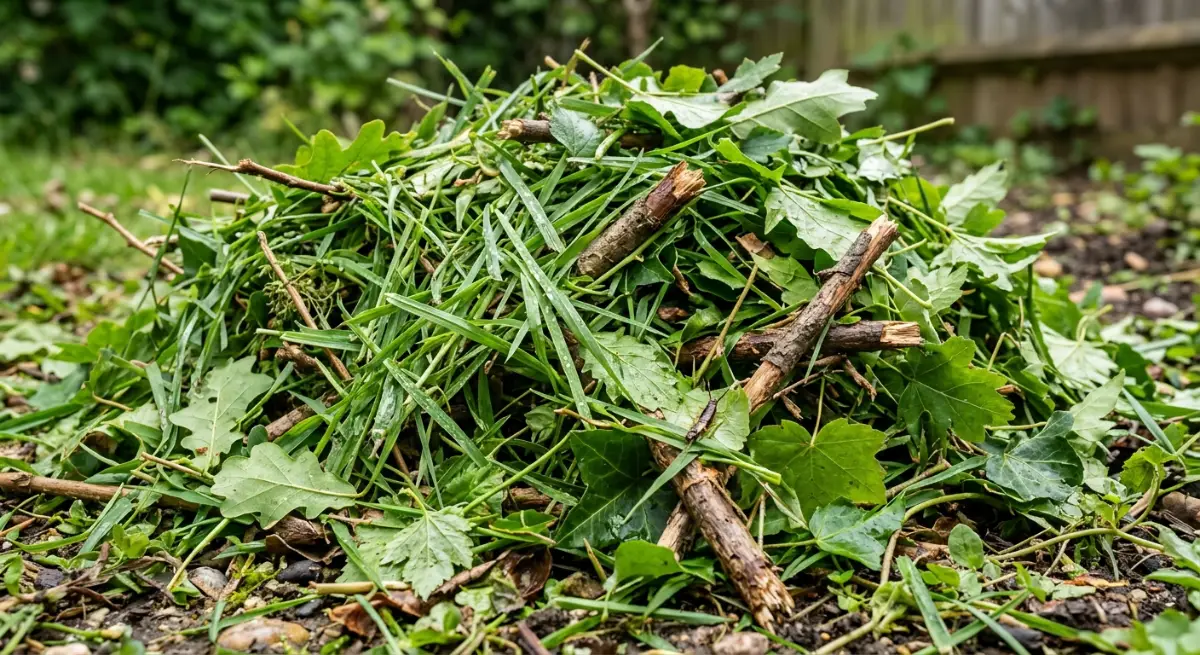
This intensive organic waste recycling process transforms raw yard debris into high-grade compost and soil conditioners. These recycled products are then sold back to the agricultural and landscaping sectors to enrich depleted soils.
By keeping organic matter out of standard landfills, we prevent the anaerobic decomposition that releases harmful methane gas into the atmosphere. It is a vital step in reducing our national carbon footprint.
Green Waste Disposal Methods: Professional Removal vs. Compost Bins vs. Council Landfills
Property owners generally have three main avenues for managing their yard debris. Choosing the right method depends entirely on your available time, physical mobility, and the size of your property.
Backyard composting is a fantastic option for small-scale, everyday kitchen and garden scraps. However, standard home compost bins quickly become overwhelmed by heavy spring pruning or large lawn mowing sessions.
Taking a trailer to the local council transfer station is another common approach. While effective, it requires owning a suitable vehicle, spending hours in weekend transit, and paying gate fees based on weight.
Putting general green waste in your standard Auckland Council household rubbish bin is prohibited. Doing so can result in uncollected bins and formal warnings.
Key Decision Factors: Cost, Volume, and Environmental Impact
When evaluating green waste disposal options, you must weigh the hidden costs of your own time against the convenience of a service. For most busy homeowners and landlords, a professional collection service is the most efficient solution.
| Disposal Method | Best For | Pros | Cons |
|---|---|---|---|
| Home Composting | Small properties, kitchen scraps | Free, creates soil for your garden | Slow process, limited capacity |
| Transfer Station (DIY) | One-off massive yard cleanups | Immediate removal from property | Requires a trailer, time-consuming |
| Professional Collection | Busy homeowners, landlords | Zero effort, regular reliable schedule | Ongoing subscription cost |
Aotearoa New Zealand generates over 17 million tonnes of waste annually. Historically, organic waste has represented up to 28% of the material sent to standard landfills, highlighting a massive opportunity for better recycling habits.
Approved Materials Checklist: What Counts as Recyclable Green Waste?
Not everything that grows in your yard is suitable for standard composting green waste facilities. Knowing exactly what is allowed prevents contamination and rejected bins.
Keeping these materials clean and free of plastic bags or household rubbish is absolutely essential. Contaminated loads cannot be processed into compost and are often redirected to landfills at a much higher cost.
- Fresh grass clippings from routine lawn mowing.
- Fallen autumn leaves and small, easily breakable twigs.
- Soft plant matter, including deadheaded flowers and vegetable garden remnants.
- Small prunings from hedges and non-invasive shrubs.
Leave your grass clippings on the lawn occasionally instead of bagging them. They break down quickly and return vital nitrogen to the soil, acting as a natural, free fertilizer.
Managing Contaminants: Why Soil, Treated Timber, and Flax Require Special Handling
Certain organic materials are strictly prohibited from standard green waste collections due to their physical properties. Attempting to hide these in a bin will almost certainly result in a penalty fee.
Flax and bamboo are notoriously difficult to process. Their incredibly tough, fibrous leaves can wrap around and jam commercial wood-chipping machinery, causing expensive breakdowns.
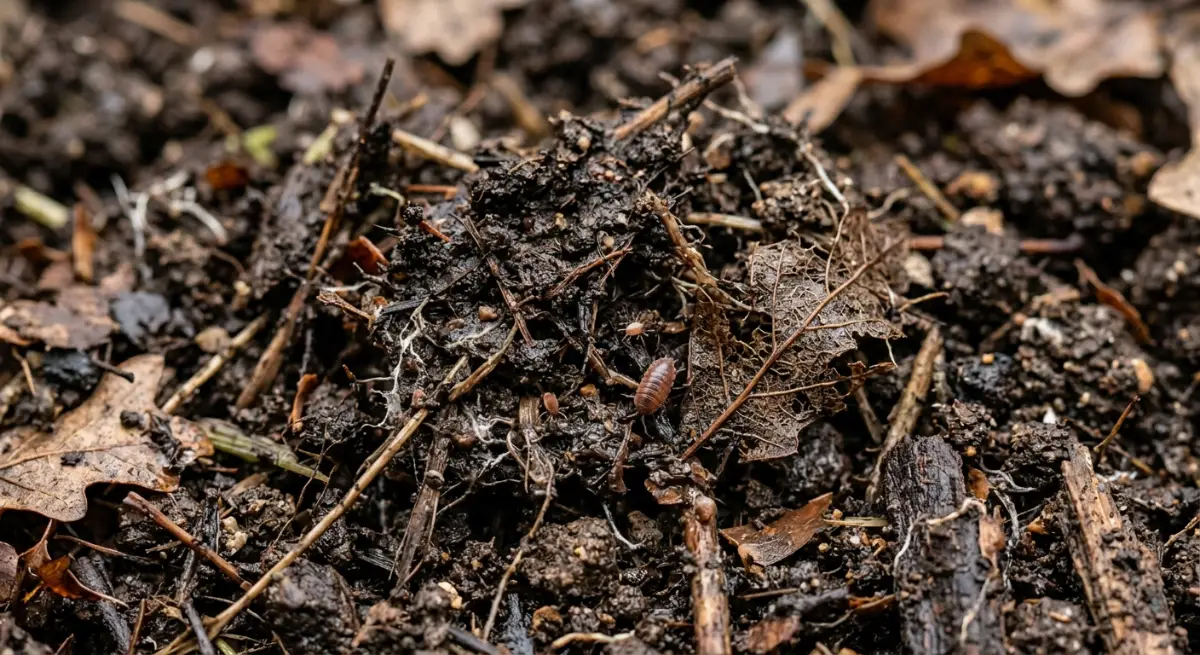
Excess soil and rocks are also banned because they add massive, unsafe weight to the collection bins. Furthermore, dirt does not break down in the composting process and dilutes the quality of the final mulch product.
Treated timber, such as old fence palings or decking offcuts, contains toxic chemicals like arsenic and copper. These chemicals would poison the resulting compost, making it completely unusable for agriculture.
Invasive pest plants like moth plant or wild ginger require special disposal to prevent spreading seeds. They should never be mixed with standard green waste.
Expert Protocols: How Professionals Efficiently Sort and Reduce Garden Debris Volume
Professional property maintenance teams utilize specific strategies to maximize efficiency when clearing a site. The goal is to remove the maximum amount of debris in the fewest possible trips.
The first step is always source separation. Experts will separate heavy, woody branches from soft, wet grass clippings to optimize how a bin or truck is loaded.
Heavy branches are often cut down to manageable lengths or processed through a wood chipper on-site. This drastically reduces the physical volume of the waste, allowing more material to fit securely into a single load.
Before booking a removal service, separate your heavy branches from soft grass clippings. Place heavier items at the bottom of bins to compress lighter leaves and maximize bin efficiency.
For large-scale cleanups, professionals avoid overfilling bins past the top edge. Transporting overfilled bins is a significant safety hazard and violates road transport regulations regarding secure loads.
By relying on an expert Green Waste Removal schedule, landlords and property managers ensure their investments remain pristine. It guarantees that debris never piles up to attract pests or create a fire hazard during dry summer months.