Auckland’s subtropical climate is a blessing for lush, vibrant gardens, but without professional New Lynn Garden Care, it can quickly become a property owner’s worst nightmare. The unique local combination of heavy seasonal rain and intense sunshine creates the perfect storm for explosive, uncontrollable grass growth. Within just a few short weeks of neglect, a perfectly manageable residential section can transform into an impenetrable, knee-high jungle.
For landlords managing distant rental properties, busy professionals lacking weekend hours, or families preparing for a real estate sale, this rapid overgrowth is incredibly stressful. Looking out at a sea of tangled kikuyu grass and aggressive broadleaf weeds often leaves property owners wondering where to even begin. Standard domestic lawnmowers simply cannot handle the sheer volume and density of this thick vegetation.
This is precisely where professional One-Off & Overgrown Lawn Tidy-Ups become an absolute necessity. Attempting to force a standard mower through deep, wet grass will only result in burnt-out motors and ragged, damaged turf. Restoring a neglected yard requires a strategic, heavy-duty approach that prioritizes safety, proper machinery, and meticulous waste removal.
Key Takeaways
One-Off & Overgrown Lawn Tidy-Ups are specialized restoration services designed to clear neglected, knee-high grass. Unlike standard mowing, these heavy-duty clearouts require commercial slashers, phased cutting techniques, and bulk green waste removal to safely transform hazardous jungles back into manageable, healthy residential lawns.
What is a One-Off Overgrown Lawn Tidy-Up and How is it Calculated?
A one-off tidy-up is a highly specialized restoration service designed to rescue lawns that have grown far beyond the capacity of regular maintenance. When grass exceeds 15 to 20 centimeters in height, it forms a dense, moisture-retaining mat at the base. This thick lower layer suffocates the soil and creates a breeding ground for pests, fungal diseases, and invasive weed species.
Professional One-Off & Overgrown Lawn Tidy-Ups are not just about cutting grass; they are about resetting the biological health of the section. The process involves systematically breaking down the towering vegetation while protecting the underlying soil structure. Because this is a heavy-duty intervention, the way the service is calculated differs significantly from a standard fortnightly mow.
Pricing and timeframes for these intensive clear-outs are determined by three primary factors: the height of the vegetation, the density of the undergrowth, and the volume of green waste generated. A yard that has been ignored for six months will require multiple phased cuts to safely reduce the height without destroying the turf. Additionally, the sheer weight of the resulting green waste requires commercial transport and proper disposal.
During the peak spring months, Auckland’s warm, wet conditions trigger a massive surge in grass growth [3]. A lawn can double in height in just 14 days, making proactive scheduling with Seasonal Lawn Care Plans vital to avoid the need for emergency overgrown tidy-ups.
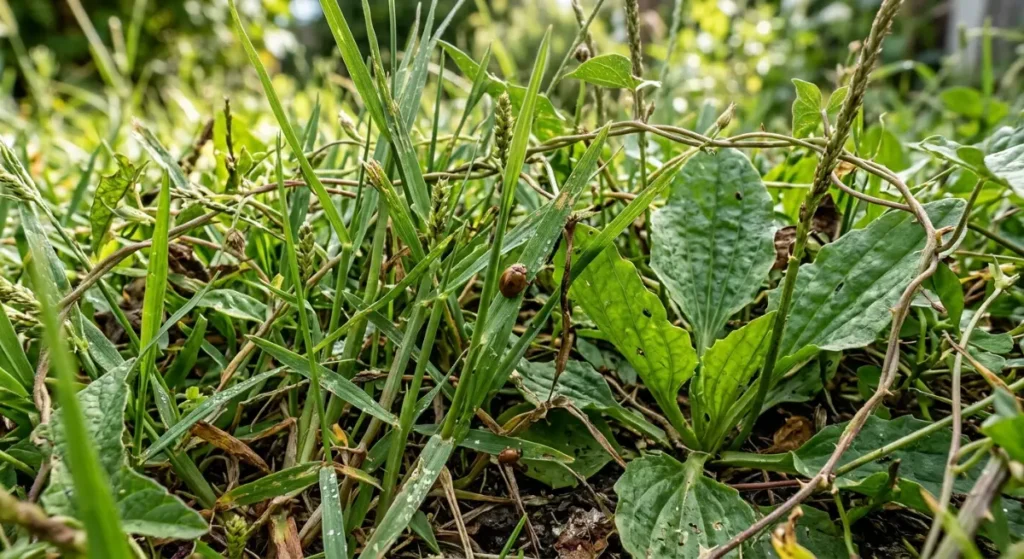
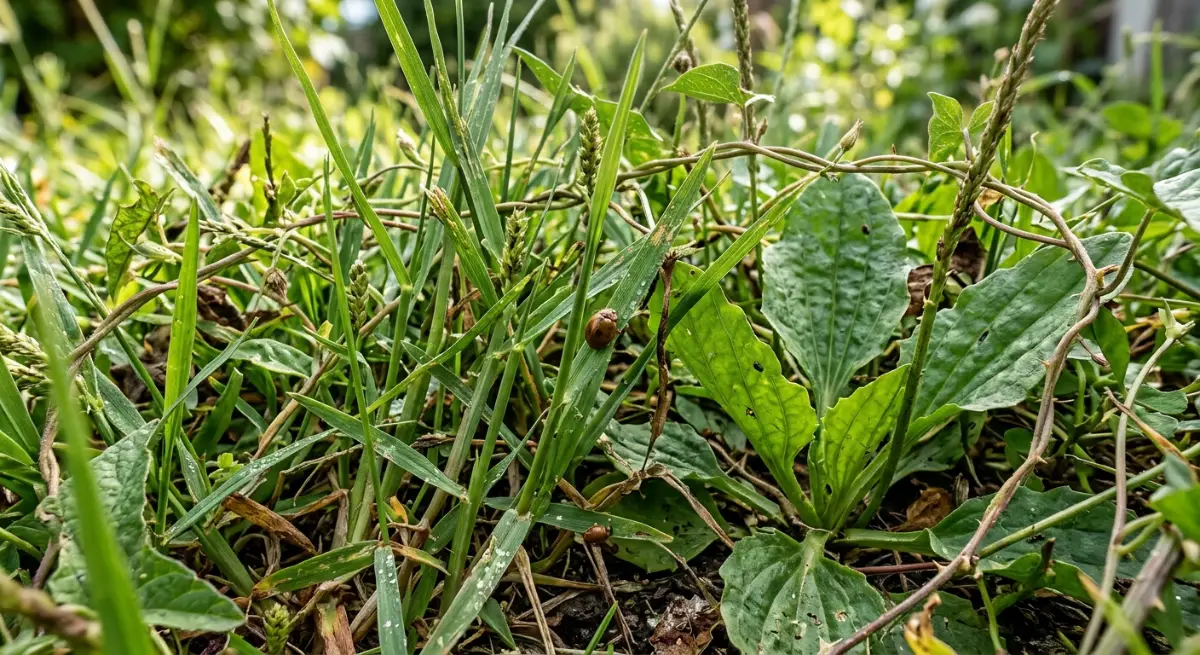
It is also important to recognize the hidden complexities within an overgrown section. Often, the towering grass conceals a network of thick vines and woody weeds that have taken root. These invasive species require specific cutting techniques to eradicate, adding to the overall calculation of the restoration project.
Overgrown Section Clearing: Comparing Restoration Complexity, Timeframes, and Tool Requirements
Restoring a deeply neglected yard is a fundamentally different operation than executing a routine trim. The complexity of the job scales exponentially with every week the grass is left to grow unchecked. Thick vegetation hides dangerous obstacles, making blind mowing an extreme safety hazard for both the operator and the property itself.
Hidden beneath knee-high grass, you will frequently find forgotten garden tools, large rocks, discarded bottles, and thick tree branches. Hitting these objects with a fast-spinning mower blade can cause severe damage to the machinery or turn the debris into a dangerous projectile. Therefore, overgrown clearing requires a slow, methodical approach and specialized commercial-grade equipment.
Furthermore, the physical toll on the landscape must be considered. Ripping through a jungle in a single pass can tear the root system out of the ground, leaving behind barren mud patches. A professional approach ensures the grass is layered down safely, preserving the integrity of the soil for future growth.
Standard Lawn Mowing vs. Heavy-Duty Jungle Taming: Key Differences in Labor and Machinery
Regular lawn maintenance relies on lightweight rotary mowers and standard line trimmers designed for light, frequent work. These machines are built to clip the top third of the grass blade, promoting horizontal growth and a neat finish. They rely on high blade speeds that instantly bog down when faced with thick, fibrous weed stalks or dense, wet kikuyu runners.
In stark contrast, professional One-Off & Overgrown Lawn Tidy-Ups demand heavy-duty brush cutters, commercial walk-behind slashers, and robust safety gear. Operators must physically wade through the section, using powerful machinery to tear through the bulk of the overgrowth before a standard mower can even be brought onto the property. This labor-intensive process is physically demanding and requires significant technical skill to execute cleanly.
| Service Feature | Standard Lawn Mowing | Overgrown Lawn Tidy-Up |
|---|---|---|
| Primary Machinery | Push/Ride-on Rotary Mower | Commercial Brush Cutters & Slashers |
| Grass Height | Under 15 cm | 15 cm to over 1 meter |
| Cutting Technique | Single pass, top-third trim | Multi-phased height reduction |
| Waste Volume | Minimal (often mulched) | Massive (requires truck removal) |
The 4-Step Professional Protocol for Safely Restoring a Neglected Grass Area
Taming a wild, overgrown section requires a disciplined, step-by-step methodology to ensure safety and a high-quality finish. Rushing the process by dropping a mower deck to its lowest setting immediately will scalp the lawn, exposing bare dirt and severely damaging the root system. Professional operators follow a strict four-step protocol to bring the yard back to life.
First, the team conducts a comprehensive site inspection and debris clearance. The operator physically walks the entire section, using heavy boots or a probing tool to locate and remove hidden hazards. Clearing away rocks, fallen branches, and inorganic rubbish is a non-negotiable safety requirement before any blades are engaged.
A thorough initial inspection not only prevents machinery damage but also protects the underlying turf from being gouged by hidden debris during the heavy slashing phase.
Second, the operator performs the initial slash, often referred to as a “high cut.” Using a commercial brush cutter or slasher, the towering grass is aggressively reduced to a manageable height of around 10 to 15 centimeters. This phase is not about making the lawn look pretty; it is about removing the sheer bulk of the vegetation and exposing the ground to sunlight and air.
Third, the refinement cut and edging take place. Once the bulk is removed, a commercial rotary mower is brought in to provide a clean, even cut at the appropriate seasonal height. The edges along pathways, fences, and garden beds are meticulously weed-eaten to restore crisp, defined borders, transforming the section from a cleared field back into a manicured residential lawn.
Finally, the green waste consolidation and removal phase completes the service. All the slashed grass, thick weed stalks, and edge trimmings are raked, blown, and collected. Leaving massive piles of heavy, wet clippings on the lawn will suffocate the recovering grass, making complete removal essential for the yard’s long-term health.
Maximizing Property Value: Pre-Sale and End-of-Tenancy Tidy-Up Strategies
The exterior of a property sets the immediate baseline for its perceived market value. Whether you are listing a home for sale or preparing a rental property for new tenants, a neglected yard is a massive red flag. It subconsciously signals to buyers and renters that the property has been poorly maintained, potentially leading to lower offers or extended vacancy periods.
Investing in One-Off & Overgrown Lawn Tidy-Ups is one of the most cost-effective ways to instantly boost curb appeal. Real estate studies consistently show that excellent exterior presentation can increase a home’s overall value by 7% to 15% [2]. A neat, expansive lawn makes the entire section look larger, brighter, and immediately ready for outdoor living.
For landlords and property managers, end-of-tenancy tidy-ups are crucial for protecting the real estate asset. Tenants often neglect the lawns during the stressful moving period, leaving a massive cleanup job for the owner. A rapid, professional restoration ensures the property is photo-ready for the next listing, minimizing downtime and maintaining high rental yields.
If you are preparing to sell, schedule your overgrown tidy-up at least two weeks before the real estate photographer arrives. This gives the newly exposed grass time to recover its green color and heal from the heavy cutting.
Environmental and Safety Guidelines for Processing Massive Volumes of Green Waste
Clearing an overgrown Auckland section generates a truly staggering amount of organic material. A yard that has been left to grow wild for several months can easily produce hundreds of kilograms of heavy, moisture-laden green waste. Processing and disposing of this volume responsibly is a major logistical challenge that requires commercial solutions.
Auckland transfer stations and green waste facilities charge significant fees for dumping, with costs frequently ranging from $260 to over $431 per tonne, depending on the facility and the presence of restricted weeds [1]. Attempting to cram this volume into standard residential bins is impossible, and illegal dumping carries severe council fines. Professional contractors build these disposal logistics into their service, ensuring seamless removal.
Mixing general household rubbish, plastics, or treated timber into green waste piles will result in the entire load being classified as general refuse, dramatically increasing disposal fees at the transfer station.
To ensure an efficient and eco-friendly disposal process, it is vital to separate materials during the tidy-up. Common invasive weeds found in Auckland lawns must be handled carefully to avoid spreading seeds during transit. A professional clearance will typically sort the waste into:
- Standard grass clippings and soft leafy matter for composting.
- Woody weed stalks and light hedge trimmings for mulching.
- Restricted noxious weeds that require specialized landfill disposal.
- Inorganic rubbish that was hidden in the overgrowth.
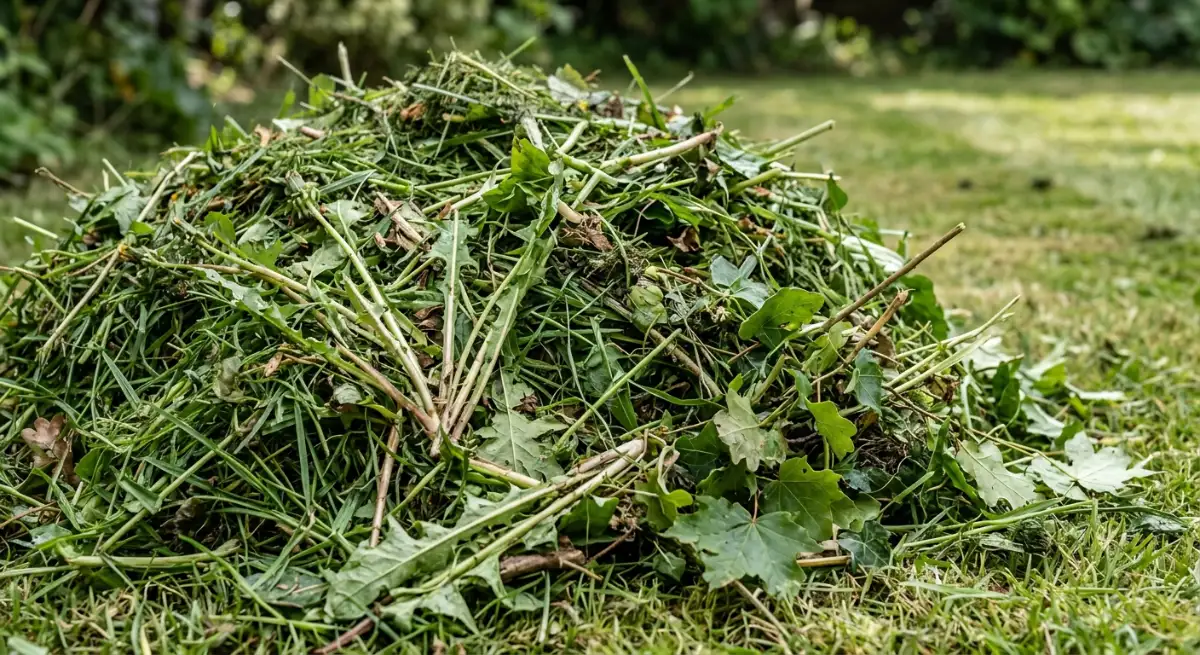
At About Auckland Lawns, quality control is paramount, and active oversight ensures that every heavy-duty clearance meets a strict standard of cleanliness. The team does not just slash the grass and leave a mess behind; all paths are blown clean, and the green waste is entirely removed from the property. This commitment to meticulous cleanup is what separates a premium, reliable local operator from unbranded, fly-by-night contractors.
Ultimately, dealing with a severely overgrown lawn does not have to be a source of ongoing anxiety. By relying on structured, professional One-Off & Overgrown Lawn Tidy-Ups, property owners can reclaim their outdoor spaces quickly and affordably. The transformation from a hazardous jungle to a neat, usable lawn is immediate, restoring both the property’s value and the owner’s peace of mind.