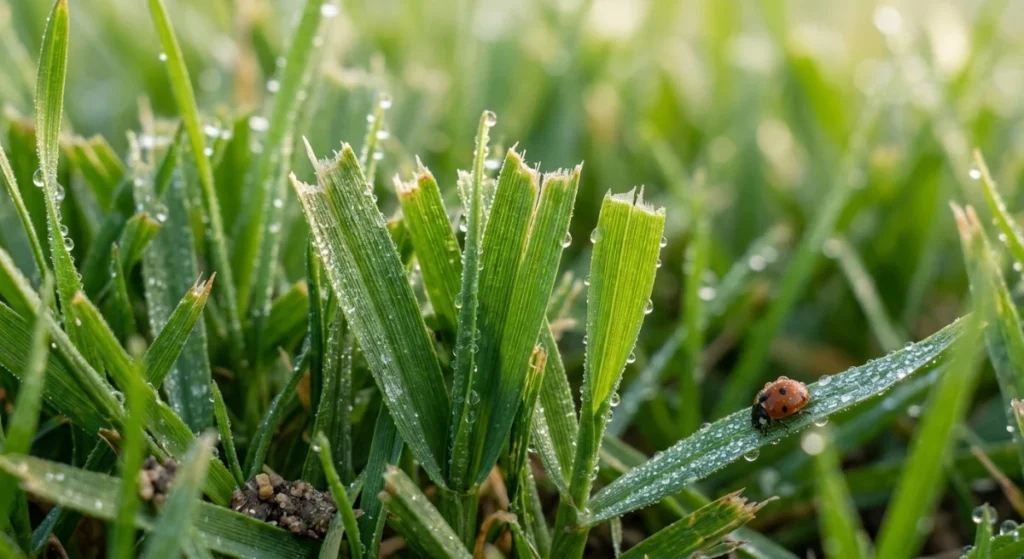
Auckland’s subtropical climate is a double-edged sword for homeowners and property managers. While the generous rainfall and warm sunshine create the perfect environment for lush, vibrant outdoor spaces, they also fuel relentless weed growth and unruly hedges.
Left unchecked, a pristine backyard can transform into an overgrown jungle in a matter of weeks. This is where professional garden maintenance becomes essential, shifting the burden of weekend labor off your shoulders and ensuring your property retains its street appeal year-round.
Consistent care is not just about aesthetics; it is about preserving the health of your soil, protecting your plants from seasonal diseases, and maintaining the structural integrity of your property’s boundaries. By taking a proactive approach, you save time, money, and unnecessary stress.
Key Takeaways
Professional garden maintenance involves systematic, seasonal care including weed control, soil management, safe hedge trimming, and eco-friendly green waste disposal. Regular upkeep prevents costly overgrowth, protects plant health, and ensures Auckland properties remain neat, safe, and visually appealing year-round without the weekend hassle.
What is Garden Maintenance and What Does a Professional Service Include?
When people hear the term garden maintenance, they often picture a quick mow and a hasty weed-eating session. However, true professional care goes much deeper than surface-level aesthetics. It is a comprehensive, ongoing process designed to nurture the biological health of your outdoor spaces.
A structured maintenance plan (part of Our Services) addresses the specific needs of your plants, soil, and hardscape borders. By taking a proactive approach, property owners can avoid the costly, labor-intensive restorations required when a garden is left to fend for itself. Regular interventions keep invasive species at bay and ensure your chosen flora thrives.
Professional teams bring an eye for detail that prevents minor issues from escalating into major landscaping disasters. This includes identifying early signs of fungal infections, pest infestations, and nutrient deficiencies before they wipe out established shrubs.
- Seasonal Pruning and Deadheading: Carefully removing spent flowers and dead branches to encourage fresh, healthy new blooms.
- Precision Edge Trimming: Creating sharp, clean lines along pathways, driveways, and garden beds to maintain a manicured look.
- Proactive Weed Eradication: Identifying and removing invasive weeds by the root before they have a chance to drop seeds.
- Soil Conditioning: Turning the topsoil, aerating compacted areas, and applying seasonal mulches to lock in vital moisture.
Avoid budget operators who rush through properties using only a weed-eater and a leaf blower. This aggressive approach often damages the bark of established trees, leaves ragged edges that invite disease, and simply blows weed seeds into new areas of your section.
Auckland Seasonal Garden Care Checklist: A Month-by-Month Guide
Auckland’s unique weather patterns dictate a very specific rhythm for outdoor care. The heavy spring rains, combined with warming soils, trigger explosive growth across the region. This requires immediate and frequent attention to prevent lawns and beds from becoming waterlogged or completely overgrown.
During the humid summer months, the focus shifts heavily toward moisture retention and heat protection. The harsh New Zealand sun can quickly scorch exposed roots, making deep watering and thick layer mulching the primary defenses against dry spells.
Autumn is the critical window for preparation, clean-up, and recovery. This is when falling leaves must be cleared to prevent suffocating fungal mats from forming on the grass. Strategic pruning and soil conditioning during this time prepare the ground for the dormant winter period.
Winter maintenance might seem less urgent, but it is the perfect time for structural pruning while sap flow is low. Keeping pathways clear of slippery moss and ensuring drainage systems are free of organic debris protects the property from winter storm damage.
Core Pillars of Soil and Weed Management: Keeping Beds Clean and Healthy
The foundation of any beautiful landscape lies hidden beneath the surface. Soil health directly dictates the resilience, color, and vibrancy of everything growing above it. Without a healthy subterranean ecosystem, even the most expensive plants will eventually wither and fail.
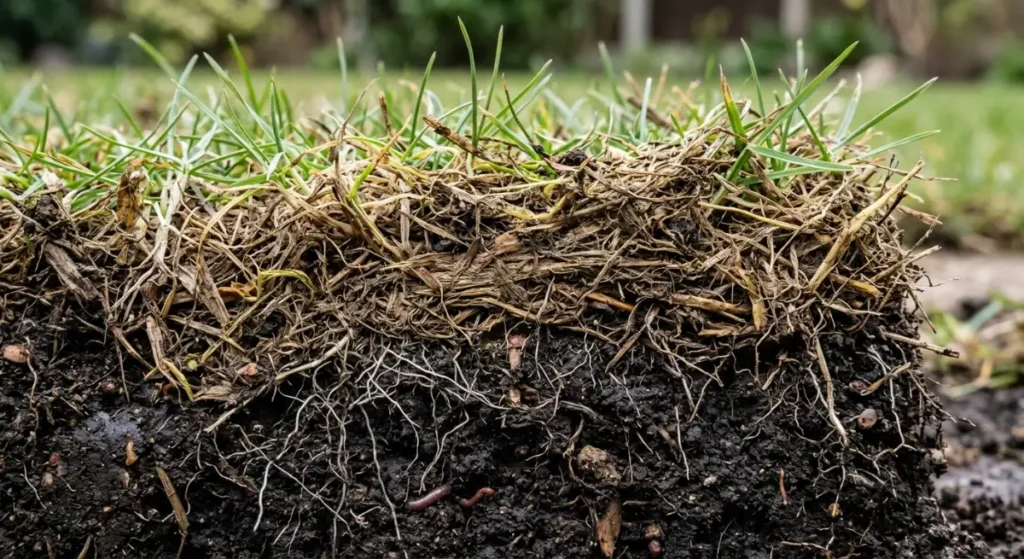
Effective garden maintenance in Auckland requires a deep understanding of local soil compositions, which often lean towards heavy, moisture-retaining clay. Without proper aeration and organic conditioning, this clay can compact tightly, essentially suffocating delicate root systems and causing root rot during heavy downpours.
Weed management is the second, equally vital pillar of a healthy garden bed. Weeds do more than just ruin the visual lines of your landscaping; they are aggressive competitors. They actively steal essential nutrients, water, and sunlight from your desirable plants.
Early identification of “sleeper weeds”—invasive species that are just beginning to establish themselves—is crucial. Removing these threats while they are geographically limited prevents massive infestations that require heavy chemical interventions down the line.
Applying a 5-8cm layer of quality organic mulch in late spring acts as a natural sunscreen for your soil. It dramatically suppresses weed seed germination, retains essential moisture during summer droughts, and slowly breaks down to feed the clay soil beneath.
Comparison Matrix: Standard Maintenance vs. One-Off Restorations
Many homeowners debate whether they should invest in a recurring schedule or simply wait until the garden becomes entirely unruly to book a massive tidy-up. While both options have their place, the long-term benefits heavily favor consistent, scheduled visits.
Waiting for a garden to overgrow often leads to permanent damage to underlying grass, requiring intensive Lawn Health & Restoration, and allows deep-rooted perennial weeds to firmly establish themselves. It also requires significantly more labor, heavy machinery, and green waste disposal volume in a single, expensive visit.
The table below outlines the distinct differences between ongoing care and reactive restoration, highlighting why a “set-and-forget” approach is ultimately more protective of your property’s value.
| Service Feature | Standard Recurring Maintenance | One-Off Restoration Tidy-Up |
|---|---|---|
| Visual Consistency | Property looks pristine and manicured year-round. | Fluctuates between overgrown jungle and sudden bareness. |
| Weed Control | Proactive removal before seeds can drop and spread. | Reactive removal; often requires heavy chemical spraying. |
| Plant Health | Optimal. Regular pruning prevents disease and encourages growth. | High risk of shock from severe, aggressive cutbacks. |
| Cost Structure | Predictable, budget-friendly regular payments. | Large, unpredictable lump-sum expense. |
Safe Pruning and Hedge Trimming: Expert Best Practices and Tools
Hedges and shrubs serve as the living architecture of your property. They provide much-needed privacy from neighbors, define property boundaries, and add a sense of structured elegance to the overall landscape design.
However, improper pruning can permanently disfigure a plant, leaving ugly bare patches or exposing the inner wood to invasive fungal diseases. Precision, timing, and biological knowledge are everything when it comes to shaping greenery safely.
Professional Hedge Trimming & Shaping utilizes specialized, sterilized equipment to make clean cuts that heal quickly. This prevents the jagged tearing and bark stripping often caused by dull residential tools or rushed handiwork.
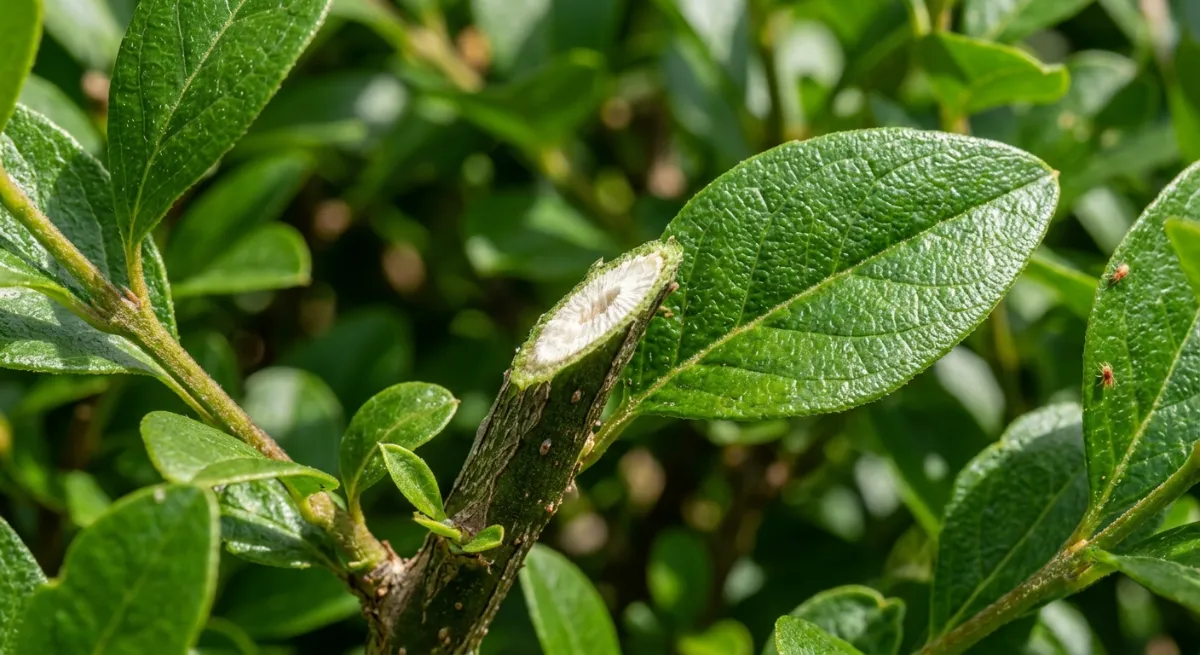
Safety is another critical factor, especially when dealing with tall boundary hedges or thorny, difficult species. Trained professionals understand how to manage significant height reductions without risking property damage, power line interference, or personal injury.
Furthermore, experts know exactly when to prune specific species. Trimming spring-flowering shrubs at the wrong time of year can completely eliminate the next season’s bloom, leaving the garden looking barren and dull.
In Auckland, overgrown hedges that encroach upon public footpaths or obscure driver visibility at intersections can result in strict council compliance notices and fines. Regular maintenance ensures your property boundaries remain legally compliant and safe for pedestrians.
Eco-Friendly Green Waste Disposal: Processing and Recyclability Standards
One of the most overlooked aspects of property upkeep is the management of the debris left behind. Every mowing, pruning, and weeding session generates a significant volume of heavy, bulky organic matter that cannot simply be left to rot on the lawn.
According to environmental data, organic and garden waste accounts for roughly 15% of the material sent to New Zealand’s Class 1 landfills. This represents a massive missed opportunity for sustainability and contributes heavily to unnecessary landfill emissions.
Responsible garden maintenance includes the ethical collection, transport, and processing of this green waste. Instead of clogging up local dumps, clean organic debris should be diverted to dedicated commercial composting facilities across the region.
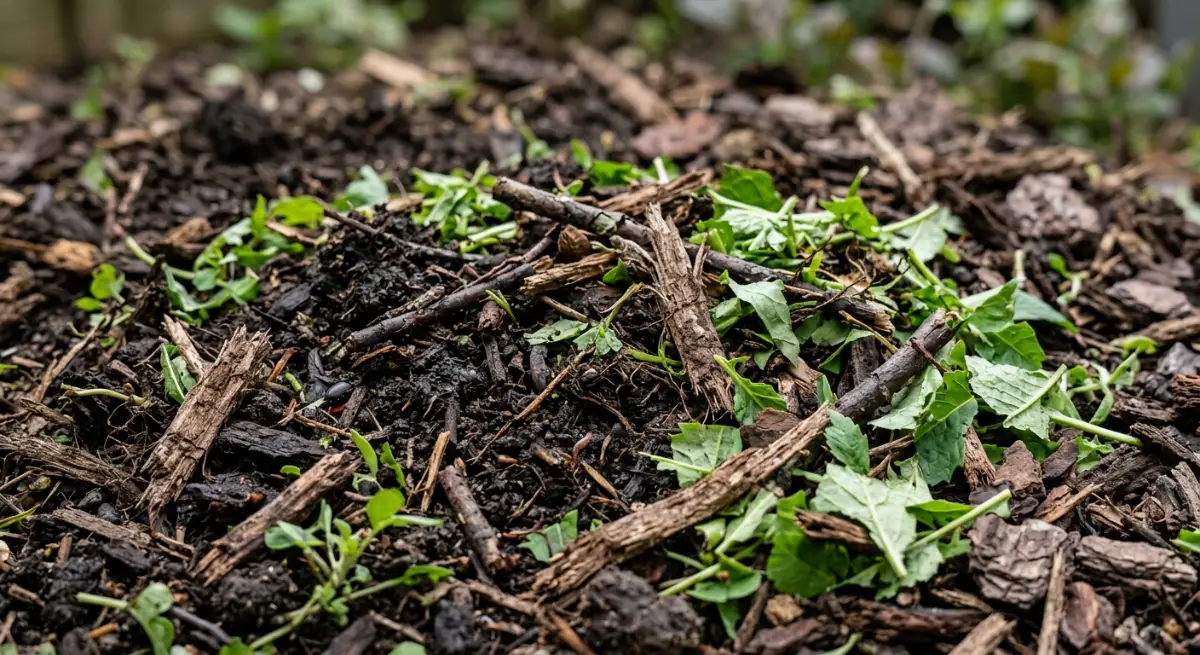
Commercial composting facilities reach high internal temperatures that destroy invasive weed seeds and plant pathogens. This is something standard home compost bins often fail to achieve, making professional disposal vastly superior for long-term disease control.
By ensuring that clippings, branches, and pulled weeds are recycled into nutrient-rich compost, we actively contribute to a circular economy. This processed compost eventually makes its way back into local soils, improving moisture retention and fertility for future generations of planting.
Always ensure that your chosen maintenance provider includes full green waste removal in their quote. Confirm that they transport this waste to an approved organic recycling facility rather than dumping it in general refuse or illegal clean-fill sites.