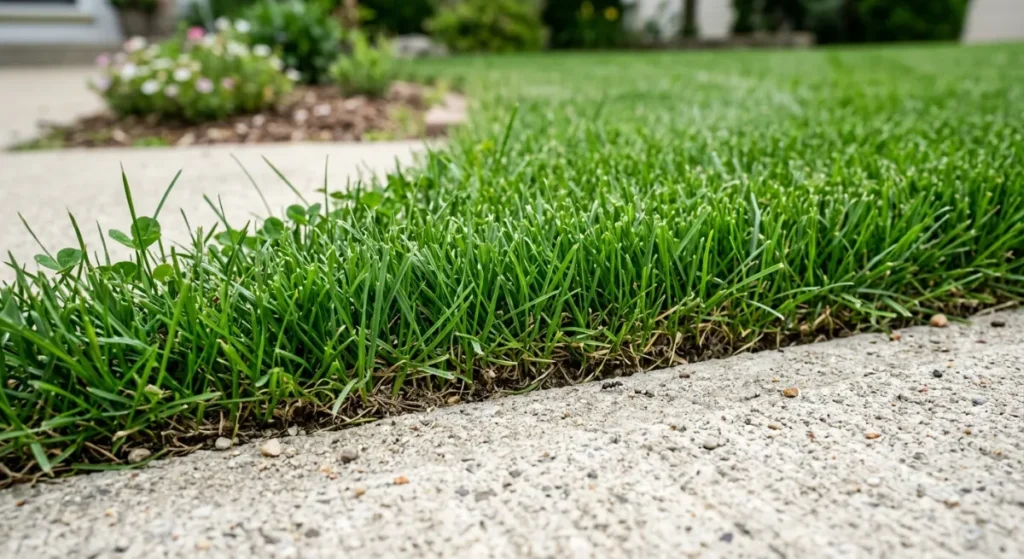
Before a client, tenant, or customer even steps through the front doors of your business, they have already formed a critical first impression. The exterior of a commercial property speaks volumes about the operations inside. A neglected frontage with overgrown grass and untidy edges subconsciously signals a lack of attention to detail and poor management. Conversely, a pristine, well-manicured landscape projects stability, professionalism, and absolute reliability.
For property managers, body corporates, and business owners, maintaining this exterior standard is not a DIY task. It requires consistent, scheduled attention that adapts to seasonal growth patterns and strict safety requirements. This is where professional Commercial Lawn Care becomes a vital operational asset rather than just an aesthetic luxury. It ensures that your business’s physical footprint consistently reflects your corporate standards without draining your internal time or resources.
Investing in routine grounds maintenance is also a proven financial strategy. Studies show that high-quality exterior maintenance can significantly boost consumer spending and tenant retention. In a competitive market, ensuring your commercial section looks sharp, safe, and inviting is one of the most cost-effective ways to protect and enhance your property’s overall value.
Key Takeaways
Professional Commercial Lawn Care involves scheduled, high-frequency grounds maintenance tailored for businesses and industrial properties. Beyond routine mowing, it includes precision edge weed-eating, light hedge trimming, and Green Waste Removal. Consistent commercial landscaping can increase property values by up to 15% and boost commercial rent premiums by 12%.
What is Commercial Lawn Care? Scope, Standards, and Direct Definition
When defining Commercial Lawn Care, it is important to distinguish routine maintenance from heavy landscape construction. Commercial maintenance focuses entirely on the ongoing health, neatness, and safety of an existing property. It does not involve major earthworks, laying new turf from scratch, or building hardscaping like retaining walls. Instead, it is the systematic, scheduled upkeep of grass, edges, and light vegetation.
The scope of this service is specifically tailored for environments with high public visibility and foot traffic. This includes retail strip malls, industrial parks, small-to-medium office buildings, and body corporate properties. In these settings, a neat perimeter is essential for maintaining a professional brand image and ensuring safe, clear access for customers and tenants.
Standards in the commercial sector are exceptionally high because the stakes are higher. A missed cut at a private residence might be a minor annoyance, but overgrown grass at a storefront can make the business look closed or neglected. Therefore, absolute reliability and proactive communication form the bedrock of any successful commercial groundskeeping standard.
In regions like Auckland, the climate presents unique challenges. With warm, humid summers and high annual rainfall of 1,000 to 1,400mm, the growing season is virtually year-round. This demands a rigid, uninterrupted maintenance schedule to prevent rapid overgrowth.
Commercial vs. Residential Lawn Maintenance: Comparison Matrix and Frequencies
While the fundamental tools of mowing and weed-eating remain similar, the execution between residential and commercial properties differs drastically. Residential care is often customized to the personal aesthetic preferences of a homeowner. It is highly flexible and usually focuses on creating a relaxing weekend environment for a family.
Commercial maintenance, on the other hand, is driven by consistency, compliance, and strict scheduling. Contractors must often work around business hours to minimize noise disruption during important meetings or peak retail periods. Furthermore, commercial invoicing requires precise documentation, direct billing to property managers, and often photographic proof of completed work to satisfy absentee landlords or body corporate boards.
| Service Factor | Residential Lawn Care | Commercial Lawn Care |
|---|---|---|
| Primary Objective | Personal enjoyment and neighborhood street appeal. | Brand presentation, tenant satisfaction, and safety compliance. |
| Scheduling Strictness | Flexible; weather delays are easily tolerated. | Rigid; requires guaranteed turn-ups and proactive communication. |
| Operating Hours | Standard daytime hours. | Often scheduled around quiet hours or low-traffic periods. |
| Administrative Needs | Simple quotes and casual communication. | Detailed invoicing, set-and-forget contracts, and photo proof. |
Essential Core Services in a Professional Commercial Lawn Care Schedule
A comprehensive Commercial Lawn Care schedule is built on a foundation of repetitive, high-quality tasks. The goal is to create a seamless, worry-free experience where the property owner never has to actively think about the state of their grounds. The core of this service revolves around keeping the turf healthy, the borders defined, and the site completely free of organic debris.
Routine mowing is the most visible aspect of the service. However, professional contractors know that cutting grass is a science. Mowers must be adjusted to seasonal cutting heights, ensuring the grass is not scalped during dry summer periods, which can lead to dead patches. Proper mowing promotes deep root growth and naturally suppresses weed proliferation across the section.
Beyond the grass itself, the financial return on investment for these core services is remarkably strong. Industry data consistently shows that well-maintained commercial landscapes offer tangible economic benefits to property owners and retail tenants alike.
To achieve these premium aesthetic and financial results, establishing professional Commercial Grounds Contracts typically ensures the following critical services are delivered:
- Precision Mowing: Scheduled cutting of all grass areas to optimal seasonal heights.
- Edge Weed-Eating: Trimming grass flush against buildings, fences, and pathways to create sharp, defined borders.
- Light Hedge Trimming: Shaping small to medium boundary hedges to maintain clear sightlines and neat perimeters.
- Green Waste Removal: Complete collection and eco-friendly disposal of all clippings, leaves, and organic debris.
Mowing Schedules, Edge Care, Hedge Trimming, and Debris Clearance
Establishing the correct frequency for these services is vital. During the peak spring growth surge, commercial properties often require mowing weekly or every 7 to 10 days to prevent the turf from looking unkempt. As growth slows down during the cooler winter months, this schedule can generally be adjusted to a fortnightly rotation without sacrificing appearance.
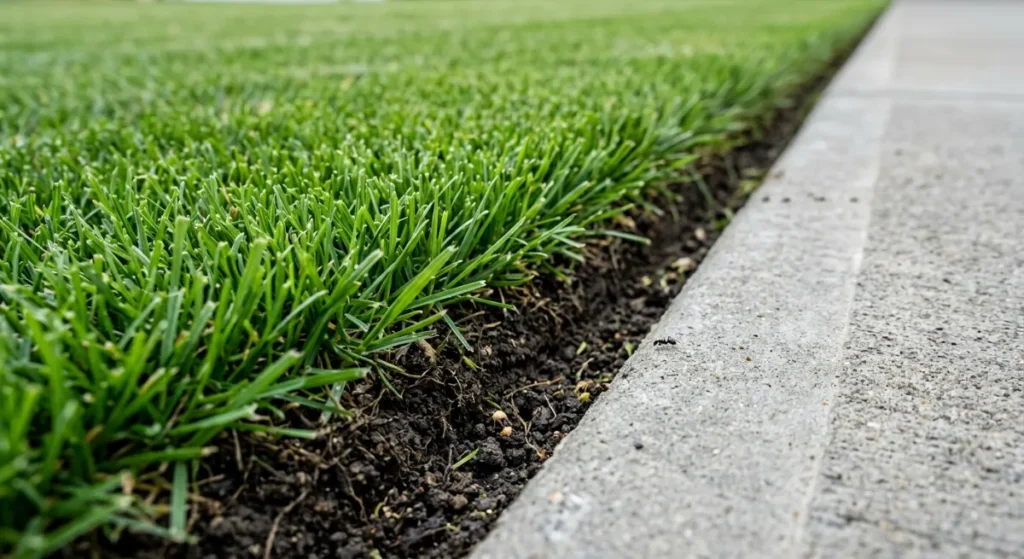
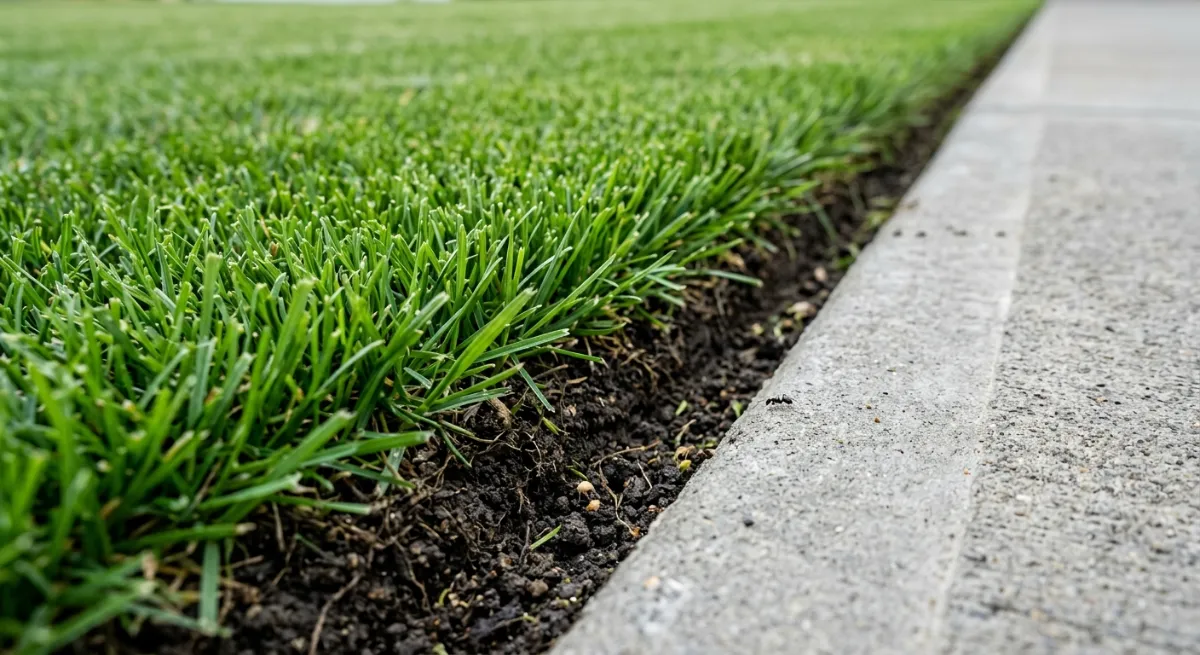
Edge care is just as important as the primary mowing. A lawn can be cut perfectly, but if the edges along the concrete pathways are ragged or overgrown, the entire property looks messy. Precision weed-eating ensures that grass does not encroach onto pedestrian walkways, keeping the site looking manicured and intentional.
Debris clearance is the final, non-negotiable step in a professional service. A “blow-and-go” approach that leaves grass clippings scattered across driveways, parking lots, or garden beds is unacceptable for commercial spaces. All pathways must be swept or blown clean, and green waste must be removed from the site entirely.
Failing to clear wet grass clippings or fallen leaves from commercial pathways creates a severe slip-and-fall hazard for pedestrians. Proper green waste clearance is a critical liability mitigation strategy for property managers.
How to Ensure Compliance and Quality in Commercial Property Ground Care
Quality control is the most common failure point in the commercial grounds maintenance industry. Many property managers complain about contractors who start strong but gradually let their standards slip over time. Ensuring long-term quality requires hiring a provider who actively audits their own work and maintains transparent communication.
The best providers operate on a “Reliability Lock” system. This means they guarantee they will turn up on the scheduled day. If extreme weather forces a delay, a professional contractor will proactively text or email the property manager before the client even has to ask. This level of communication removes the friction and guesswork from property management.
Furthermore, active owner involvement is a massive differentiator. When the business owner is actively on the tools, supervising training, and auditing site work, the quality remains consistently high. Faceless corporations or distant franchise owners rarely deliver the meticulous attention to detail that a dedicated, local owner-operator provides.

Optimizing Your Commercial Lawn Care Agreement for Maximum Value and Reliability
When establishing a Commercial Lawn Care agreement, value and transparency should be at the forefront. Professional property maintenance should not be an exorbitant luxury. Property managers should seek out budget-friendly, value-first pricing models that make routine maintenance accessible and sustainable for the long term.
Avoid contracts with hidden surcharges, complex jargon, or bloated franchise fees. The agreement should clearly outline the scope of work, the frequency of visits, and the exact cost per service. A set-and-forget subscription model is often the most efficient way to handle commercial billing, ensuring the property is always maintained without requiring constant approvals.
Ultimately, the right partner will speak to you like a neighbor while delivering the dependability of a large organization. By prioritizing clear communication, transparent pricing, and meticulous cleanup, you can secure a maintenance agreement that protects your property asset effortlessly.
Review your existing grounds maintenance agreement. Ensure it explicitly includes edge weed-eating, comprehensive green waste removal, and a defined seasonal schedule. If your current provider frequently misses days without communicating, it is time to learn more About Auckland Lawns.