For most homeowners, the weekend is a hard-earned sanctuary meant for family, relaxation, and recharging. Yet, the relentless cycle of property maintenance often transforms Saturday mornings into a grueling chore of pulling start-cords, managing green waste, and wrestling with overgrown sections.
The reality of maintaining a pristine property goes far beyond simply pushing a machine across the grass. It requires an understanding of soil health, seasonal growth patterns, and precise cutting techniques that protect the turf from disease and drought. When executed correctly, a well-maintained yard elevates your property’s street appeal and provides a safe, vibrant space for outdoor living.
This is where the true value of residential lawn mowing becomes apparent. It shifts the burden of physical labor to experienced professionals who understand the nuances of local climates and turf varieties. By exploring the science and scheduling behind proper turf management, you can make informed decisions that keep your grass lush, green, and flawlessly manicured year-round.
Key Takeaways
Professional residential lawn mowing involves consistent, scheduled grass cutting tailored to seasonal growth and specific grass species. By adhering to the one-third cutting rule and maintaining sharp blades, regular maintenance prevents weed takeovers, enhances soil health, and keeps your property looking pristine without sacrificing your weekends.
What is Professional Residential Lawn Mowing? (Quick Answer & Key Benefits)
At its core, professional residential lawn mowing is a comprehensive maintenance service designed to promote the long-term health and aesthetics of private property grounds. It extends far beyond the basic act of shortening grass blades.
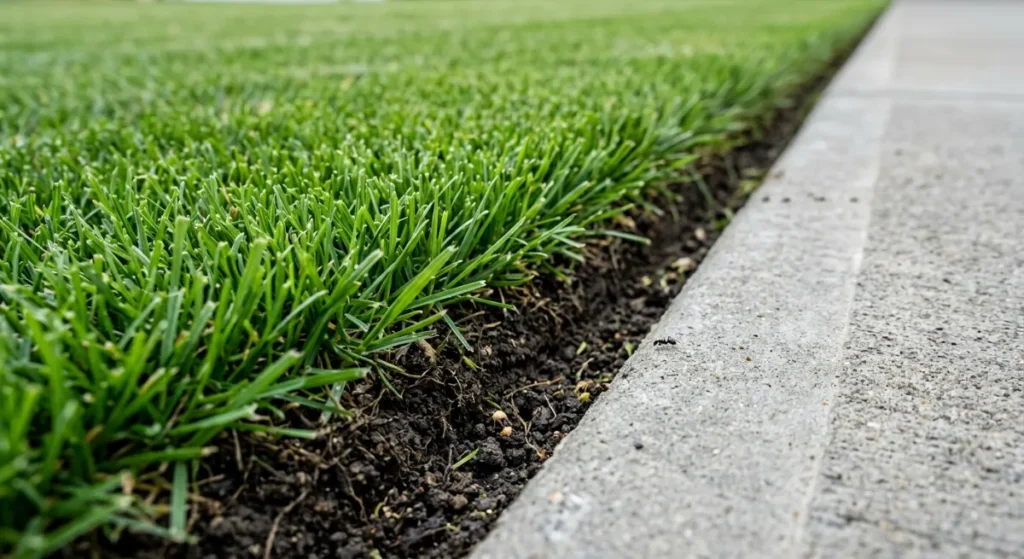
A true professional service incorporates precise weed-eating around garden borders, meticulous edging along concrete pathways, and the responsible removal of all green waste. This holistic approach ensures that the entire section looks sharp, defined, and intentionally cared for.
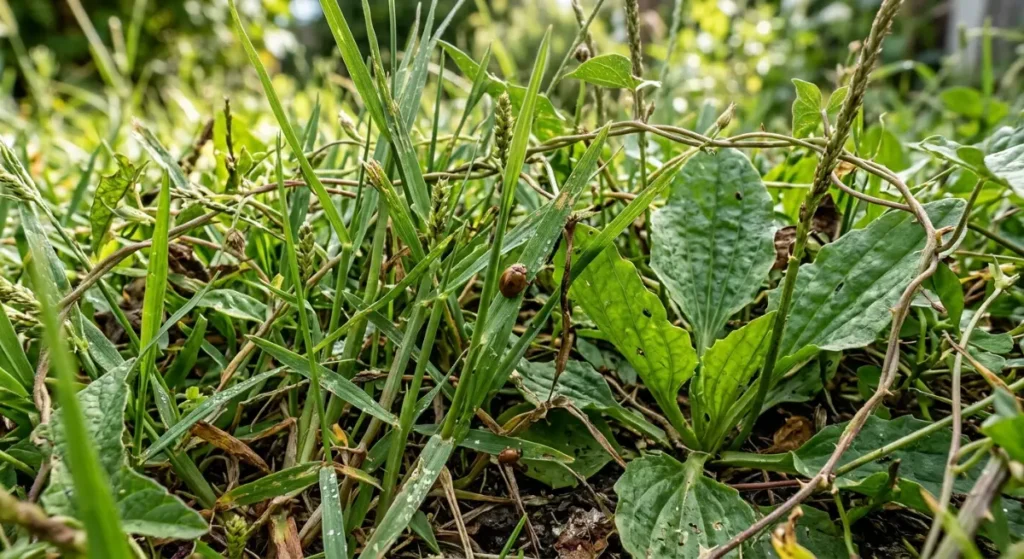
The benefits of outsourcing this task are both aesthetic and practical. Regular, scheduled cuts train the grass to grow thicker, creating a dense canopy that naturally suffocates invasive weeds before they can take root. Furthermore, consistent maintenance prevents the shock and root damage that occurs when overgrown grass is suddenly hacked down.
For the homeowner, the greatest return on investment is the reclamation of time. Budget-friendly, reliable services allow families to enjoy their outdoor spaces without the looming anxiety of weekend chores.
When a trusted local operator handles the property, homeowners never have to worry about maintaining expensive equipment, storing hazardous fuels, or waiting in line at the local refuse station to dump heavy bags of clippings.
Weekly vs. Fortnightly Residential Mowing: Schedule & Cost Comparison Matrix
Determining the correct frequency for your lawn maintenance is crucial for balancing turf health with your household budget. In regions with distinct seasons and regular rainfall, grass growth rates fluctuate wildly throughout the year.
During the explosive growth periods of spring and early autumn, weekly mowing is often necessary to keep up with the rapid emergence of new shoots. However, as the weather cools in winter or dries out in peak summer, extending the schedule to a fortnightly (every two weeks) rotation becomes the smarter, more economical choice.
Choosing between weekly and fortnightly services ultimately depends on your aesthetic goals and the specific grass species on your property. Fast-growing cool-season grasses like Ryegrass demand more frequent attention to prevent them from becoming unmanageable.
Below is a breakdown of how different scheduling options impact your lawn’s health, appearance, and overall maintenance costs.
| Schedule Frequency | Ideal Season / Application | Turf Health Impact | Cost Efficiency |
|---|---|---|---|
| Weekly | Spring & Autumn (High Growth) | Excellent. Prevents scalping, encourages dense lateral growth, and naturally suppresses weeds. | Higher monthly cost, but prevents expensive one-off restoration jobs. |
| Fortnightly | Summer & Mild Winter (Steady Growth) | Good. Allows grass to retain moisture during dry spells. May result in slightly longer clippings. | Highly cost-effective. The most popular choice for budget-conscious homeowners. |
| Monthly / On-Demand | Deep Winter (Dormant Growth) | Poor during growing seasons. Leads to scalping, root exposure, and weed infestations. | Lowest upfront cost, but often incurs heavy “overgrown” surcharge fees. |
Seasonal Cutting Heights and Grass Species Guidelines
One of the most critical factors in professional grass cutting services is adjusting the mower deck height according to the season and the specific turf variety. Cutting grass too short—a practice known as scalping—is the leading cause of lawn deterioration.
Scalping exposes the sensitive crown of the grass plant to harsh sunlight, accelerating moisture loss and leaving the soil vulnerable to weed seeds. Conversely, leaving the grass too long can trap excessive moisture against the soil surface, inviting fungal diseases and creating a haven for pests.
Never remove more than one-third of the total grass blade length in a single mow. If your grass has grown excessively long, it is far healthier to lower the height gradually over two or three separate cuts rather than hacking it down all at once.
Different grass species have specific height preferences. Cool-season grasses, such as Fescue and Perennial Ryegrass, thrive when maintained at a height of 40mm to 60mm. Keeping them slightly longer in the summer helps shade the soil and retain vital moisture.
Warm-season varieties, like Kikuyu or Couch grass, have a creeping growth habit. These aggressive spreaders perform best when kept shorter, typically between 20mm and 30mm, which prevents them from building up a thick, spongy layer of thatch.
Best Practices for Lawn Health: Edging, Clipping Management, and Blade Sharpness
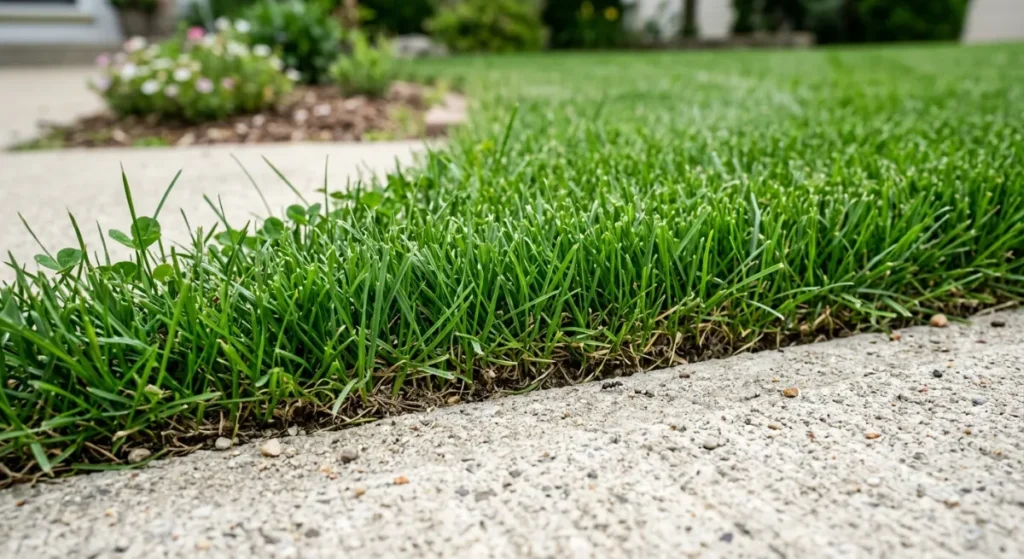
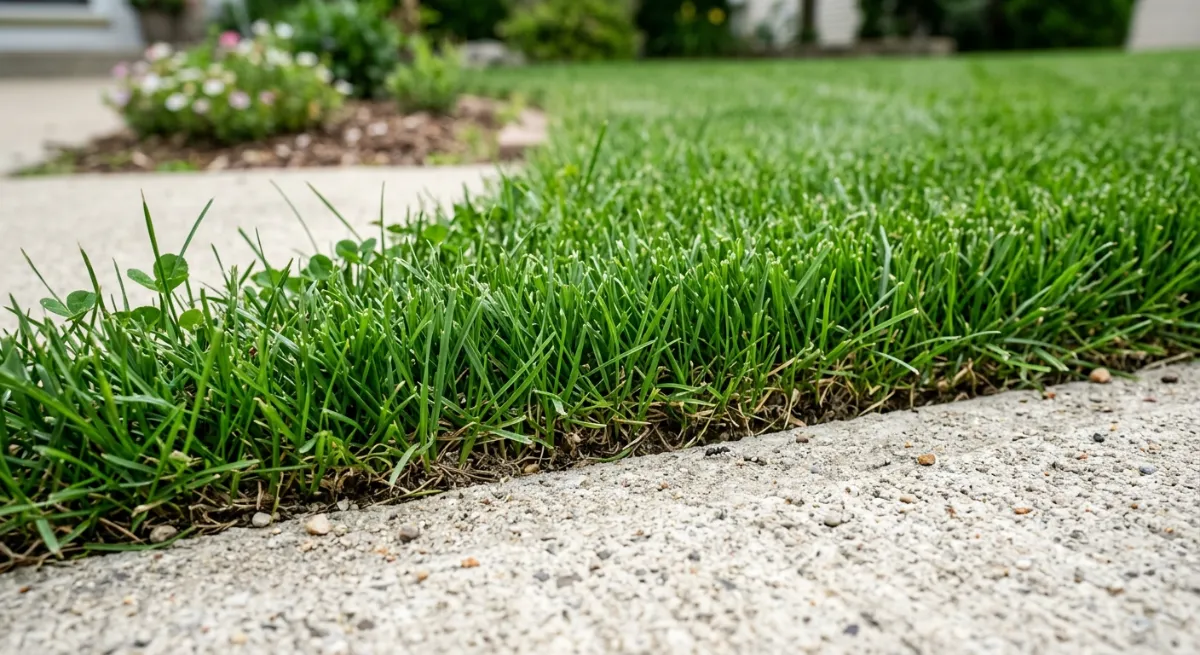
A flawless finish relies on meticulous attention to detail. Edging, or weed-eating, is what separates an amateur cut from a professional service. By trimming vertically along concrete paths, driveways, and garden beds, a sharp boundary is created that gives the entire property a crisp, manicured appearance.
Managing the resulting green waste is equally important. While catching and removing clippings provides the neatest immediate finish, “grass cycling”—or mulching the clippings back into the turf—can be highly beneficial during dry periods. Mulching returns vital nitrogen and moisture to the soil, acting as a natural, slow-release fertilizer.
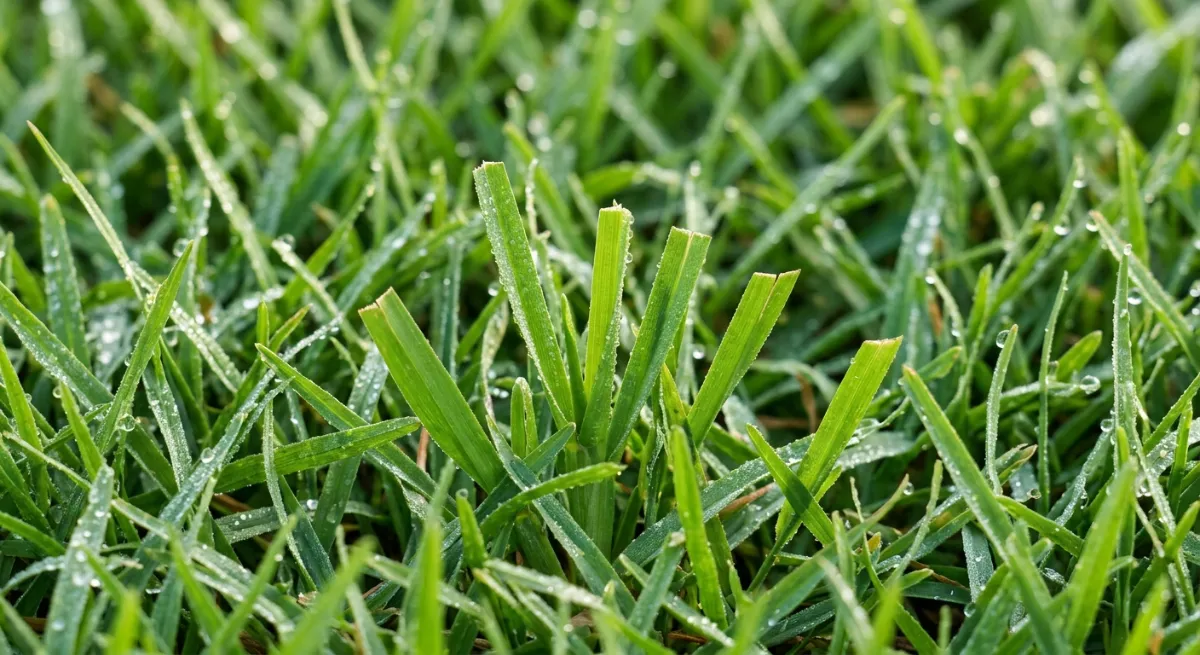
However, the single most overlooked aspect of lawn care is blade sharpness. A dull mower blade does not cut the grass; it tears and shreds the tips. This violent tearing leaves jagged, frayed edges that quickly turn brown, giving the entire lawn a dull, unhealthy appearance.
Torn grass blades lose moisture rapidly and create open wounds that are highly susceptible to fungal infections and lawn diseases. Professional operators sharpen or replace their blades constantly to guarantee a surgical, clean cut every time.
How to Evaluate Residential Lawn Mowing Quality: Expert E-E-A-T Checklist
Not all property maintenance contractors are created equal. The industry is notoriously plagued by “blow-and-go” operators who rush through jobs, leave gates open, and fail to communicate schedule changes.
When evaluating a residential lawn mowing provider, reliability should be your primary metric. A premium service operates on a “Reliability Lock” system—meaning they turn up on the scheduled day, every time. If weather forces a delay, proactive communication should occur before you ever have to ask.
Quality control is another vital differentiator. Owner-operated businesses, where the principal is actively involved in field training and site audits, consistently deliver higher standards than faceless, large-scale franchises. You want a provider who treats your property with the same respect as their own.
Before signing off on a service, ensure the following standards are met: The grass is cut evenly without scalped patches; edges around fences and paths are sharply defined; no grass clippings are left in garden beds or pools; and all concrete surfaces have been blown completely clean.
Finally, transparency in pricing is a hallmark of a trustworthy operator. Value-priced, budget-friendly services should provide clear, upfront quotes without hidden franchise fees or arbitrary surcharges. Professional property care should be accessible and straightforward.
Common Myths and FAQ Regarding Professional Grass Cutting Services
A prevalent myth among homeowners is that cutting the grass as short as possible will delay the need for the next mow, thereby saving money. In reality, this practice destroys the turf’s root system, invites aggressive weeds, and ultimately costs more in restorative treatments and herbicides.
Another misconception is that clippings must always be removed. While catching clippings provides a pristine look, periodic mulching during the peak heat of summer is an expert technique used to insulate the soil and recycle nutrients naturally.
By understanding these core principles and partnering with a reliable, local expert, you can achieve a flawless outdoor space. A disciplined approach to lawn maintenance not only protects your property’s value but guarantees you will always have a beautiful, welcoming yard to come home to.