Walking out to your section on a sunny Auckland morning only to find your once-tidy hedges encroaching on the pathways and your feature shrubs looking like a tangled mess is a frustrating experience. For many homeowners, the sheer speed of plant growth in New Zealand’s humid climate turns a relaxing weekend into a daunting chore. You might be tempted to grab the shears and start hacking away, but indiscriminate chopping can permanently damage your favorite plants. Mastering seasonal garden pruning is the secret to maintaining a neat, healthy, and vibrant outdoor space year-round.
Key Takeaways
Seasonal garden pruning involves timing your trimming to match natural plant growth cycles. Late winter is optimal for dormant deciduous trees, while summer is best for light hedge shaping. Proper pruning encourages healthy blooming, prevents fungal disease, and keeps your property looking immaculate without breaking the budget.
Quick Answer: What is Seasonal Garden Pruning and When is the Best Time to Trim?
Seasonal garden pruning is the strategic cutting back of plants, hedges, and trees at specific times of the year to enhance their health, shape, and flower production. Rather than simply reducing the size of an overgrown bush, it is a horticultural practice that respects the natural life cycle of the plant. In the fast-growing Auckland climate, where heavy rain and humid summers supercharge plant growth, timing your pruning is absolutely critical. Cutting at the wrong time can leave plants vulnerable to fungal infections or strip them of next season’s blooms.
The best time to trim depends entirely on the type of plant you are dealing with. As a general rule of thumb, late winter to early spring (July to September in New Zealand) is the optimal window for heavy structural pruning. During this period, deciduous trees and shrubs are dormant, meaning their sap flow has slowed down and they are less susceptible to stress. Dormancy also means the leaves have dropped, giving you a clear, unobstructed view of the plant’s structural framework.
However, not everything should be aggressively chopped in winter. Spring-flowering shrubs, for example, set their buds on old wood during the previous autumn. If you prune them in late winter, you will accidentally cut off all the impending flowers. These specific plants require trimming immediately after they finish blooming in late spring or early summer. Learn more About Auckland Lawns, where Garry and the team take the guesswork out of this process, ensuring your section gets the right care at the exact right time.
Regular, light seasonal pruning is far more cost-effective than waiting years for a massive, expensive restorative garden tidy-up. Consistent fortnightly or monthly visits keep your property pristine and your maintenance bills low.
Seasonal Garden Pruning Matrix: Timelines, Plant Types, and Growth Cycles
Understanding the rhythm of your garden is the first step toward achieving that magazine-quality street appeal. New Zealand’s unique environment means we don’t always follow the strict seasonal rules of the Northern Hemisphere. Our mild, wet winters and sticky summers create a prolonged growing season for many native and introduced species. To make things easier, we have categorized the pruning requirements into a simple matrix based on plant types and seasonal timelines.
| Plant Type | Best Pruning Season | Auckland Lawns Recommendation | Primary Goal |
|---|---|---|---|
| Deciduous Fruit Trees | Late Winter (July/Aug) | Heavy structural prune while dormant. | Maximize fruit yield and airflow. |
| Spring-Flowering Shrubs | Late Spring (Nov) | Trim immediately after blooms fade. | Shape plant and encourage next year’s buds. |
| Fast-Growing Hedges (Griselinia) | Summer/Autumn | Light trims 2-3 times during active growth. | Maintain dense privacy screens and neat edges. |
| Evergreen Topiary | Spring to Early Autumn | Regular light clipping, avoid late winter. | Keep formal shapes crisp and uniform. |
Warm-Season Pruning Protocols for Flowering Shrubs and Hedges
When the Auckland sun starts beating down, your garden shifts into high gear. Warm-season pruning is generally focused on maintenance, shaping, and deadheading rather than aggressive structural alterations. For fast-growing privacy hedges like Griselinia or Pittosporum, summer is the perfect time for light, regular trims. Trimming the new, soft growth encourages the hedge to branch out internally, creating a denser, more impenetrable screen that enhances your property’s privacy.
Spring and summer are also the crucial times for managing your flowering shrubs. Plants like Rhododendrons, Camellias, and Lilacs bloom on old wood, meaning they developed their flower buds the previous year. The absolute best time to prune these beauties is the moment their vibrant flowers begin to wilt and fade. By acting quickly, you give the plant an entire summer and autumn to grow new wood and set healthy buds for the following year.
During the warmer months, our primary goal is to minimize stress on the plant. We avoid heavy pruning during extreme heatwaves or prolonged dry spells, as removing too much foliage can expose the inner branches to severe sunburn. Garry and the Auckland Lawns crew monitor the local weather patterns closely, adjusting our scheduled visits to ensure your plants are trimmed when conditions are optimal. We also ensure that all green waste is promptly removed, leaving your pathways clean and your pool area free of stray clippings.
Heavy pruning in late autumn can stimulate a flush of tender new growth just as the first cold snaps hit. This new growth is easily damaged by frost, which can invite disease into the main stem of the plant.
Cold-Season Dormant Pruning for Deciduous and Fruit-Bearing Plants
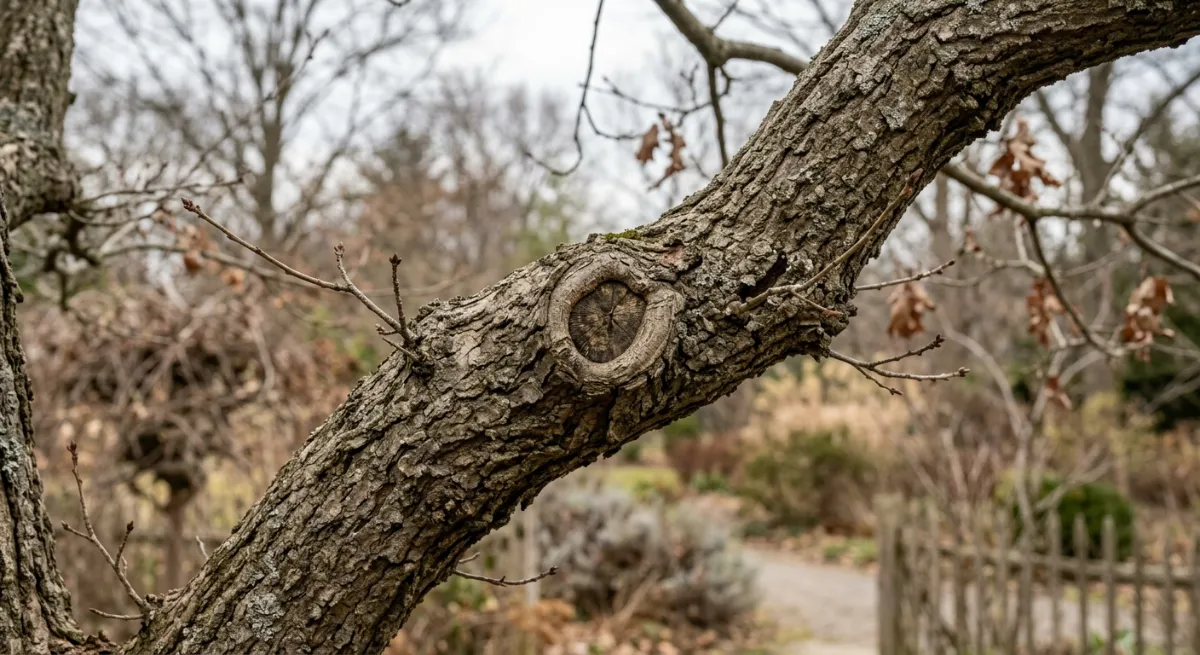
As the temperature drops and the frequent Auckland rain sets in, the garden may look a bit bare, but it is actually the most important time for horticultural maintenance. Cold-season dormant pruning is the heavy lifting of the gardening year. Deciduous trees, which lose their leaves in winter, enter a state of deep sleep. This dormancy is the perfect opportunity to correct structural issues, remove crossing branches, and reduce the overall height of the tree without causing it undue stress.
Fruit trees, such as apples, pears, and plums, rely heavily on precise winter pruning to produce a bountiful harvest. By opening up the center of the canopy, we allow maximum sunlight and airflow to reach the inner branches during the upcoming spring. This increased airflow is a critical defense against common fungal diseases that thrive in New Zealand’s damp conditions. A well-pruned fruit tree not only looks tidier but also yields larger, healthier, and sweeter fruit.
Winter is also the ideal time to tackle overgrown, neglected shrubs that need a hard reset. Because the sap is not actively flowing, the risk of the plant bleeding excessively is minimized. At Auckland Lawns, we use professional-grade, sterilized tools to make clean cuts that heal quickly once the spring warmth arrives. We handle the heavy branch removal and the tedious green waste disposal, so you can stay warm inside while your section gets professionally prepped for the growing season.
The Impact of Auckland’s Climate on Plant Growth and Pruning
Auckland’s unique subtropical climate presents both incredible opportunities and significant challenges for local gardeners. With high average rainfall and sticky, humid summers, vegetation here grows at an astonishing rate compared to the rest of the country. This rapid growth means that seasonal garden pruning isn’t just an aesthetic choice; it is a vital necessity to prevent your property from turning into an impenetrable jungle.
The clay-heavy soils common across the North Shore and West Auckland hold onto moisture for long periods. While this is great for drought resistance, it creates a highly humid microclimate around the base of dense shrubs. If plants are not regularly thinned out through proper pruning, this trapped moisture becomes a breeding ground for root rot and powdery mildew. Opening up the plant canopy allows the famous Auckland sea breeze to circulate, naturally drying out the foliage and preventing fungal outbreaks.
Furthermore, our relatively mild winters mean that some plants never achieve true, deep dormancy. This requires a more nuanced approach to winter pruning. Garry and the Auckland Lawns team understand these local environmental quirks intimately. We know exactly how far to push a prune during a mild July, ensuring your plants recover swiftly without being exposed to the occasional unexpected frost.
Managing Native New Zealand Flora
New Zealand native plants are a stunning addition to any Auckland section, but they require a slightly different approach when it comes to maintenance. Species like Pittosporum, Coprosma, and Hebes are incredibly resilient, but they generally prefer lighter, more frequent trims over heavy, aggressive hacking. Because they have evolved in our specific climate, their growth cycles are perfectly adapted to the local seasons.
When performing seasonal garden pruning on natives, we focus on mimicking the natural browsing of native birds and environmental wear. This means taking off the tips of the branches regularly to encourage bushy, dense growth. If you let a native shrub become too woody and leggy, cutting it back hard into the old, brown wood can sometimes kill it, as many natives struggle to sprout from old wood.
This is where the expertise of a reliable, local team pays off. We identify the specific native species on your property and apply the correct horticultural technique. By keeping your natives neatly shaped and properly aerated, we enhance their natural beauty while ensuring they remain a low-maintenance asset for your home or rental property.
5 Step-by-Step Rules for Safe and Effective Seasonal Garden Pruning
Executing a perfect prune requires more than just a sharp pair of secateurs; it requires a systematic approach. Whether you are a house-proud retiree wanting to maintain your beloved roses or a landlord needing a quick property tidy-up between tenants, following a set of strict rules ensures excellent results. Garry has drilled these five core principles into the Auckland Lawns team to guarantee consistent, high-quality workmanship on every single job.
- Rule 1: Always Remove the Three D’s First. Before making any aesthetic choices, you must remove all Dead, Damaged, and Diseased wood. This instantly improves the plant’s health by stopping the spread of rot and redirecting energy into healthy branches.
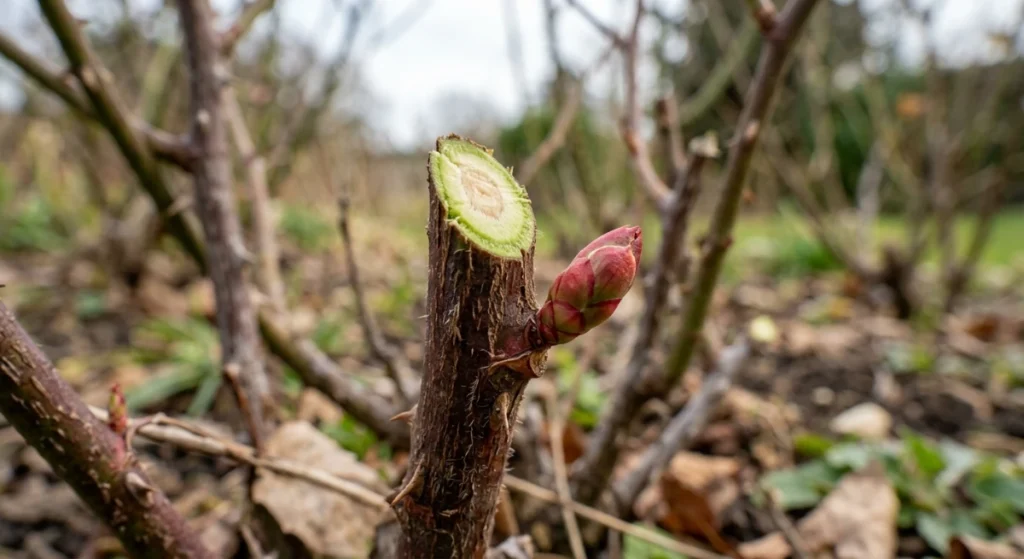
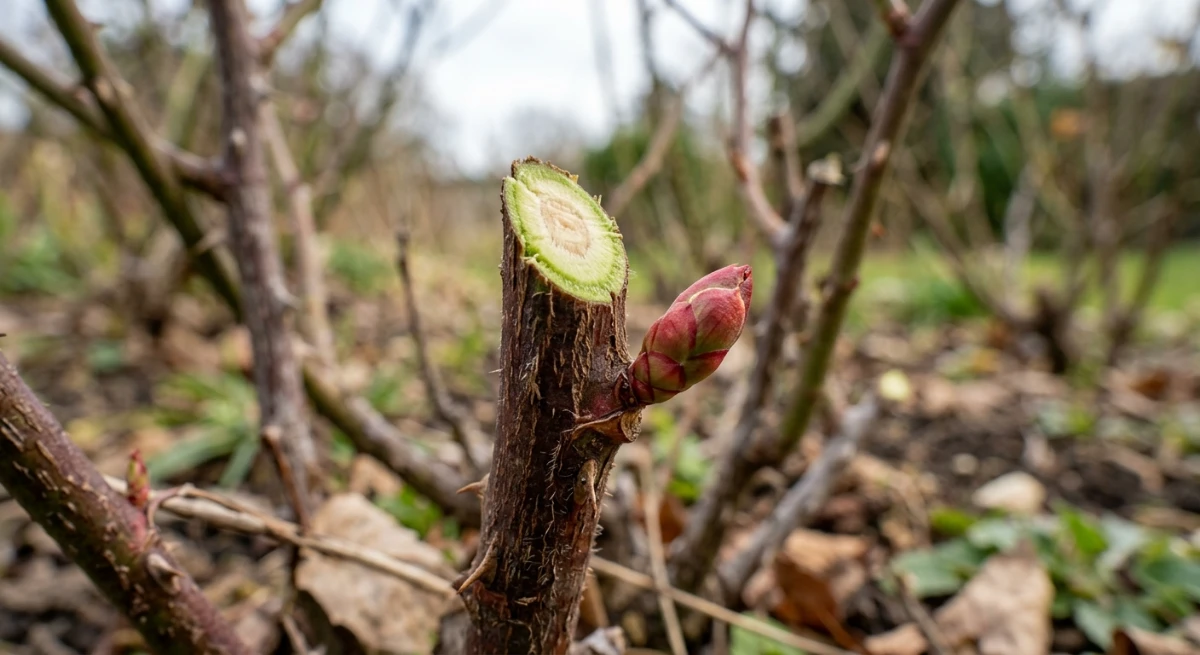
- Rule 2: Respect the 45-Degree Angle. When cutting a stem, the angle of the cut matters immensely. We always cut at a 45-degree angle, sloping away from the nearest healthy bud. This ensures water runs off the cut surface, preventing fungal spores from settling and rotting the stem.
- Rule 3: Never Remove More Than One-Third. The golden rule of seasonal garden pruning is to never remove more than 33% of a plant’s total living canopy in a single season. Over-pruning shocks the root system, stunting growth and potentially killing the plant outright.
- Rule 4: Open the Canopy for Airflow. Dense, tangled inner branches create a dark, damp microclimate that pests and diseases love. We selectively thin out crossing or rubbing branches in the center of the plant to allow wind and sunlight to penetrate freely.
- Rule 5: Use the Right Tool for the Thickness. Hand secateurs are for soft green stems, loppers are for branches up to the thickness of a thumb, and pruning saws are for anything larger. Forcing a small tool through a thick branch crushes the plant tissue, causing jagged wounds that struggle to heal.
If you manage a rental property, schedule a comprehensive dormant prune every July. Proper Boundary Hedge Maintenance prevents disputes with neighbors over encroaching branches and keeps the property looking premium for prospective tenants.
Expert Quality Standards: How We Verify Plant Readiness and Tool Sanitation
At Auckland Lawns, we don’t just blow and go like many of the faceless franchise operators. We pride ourselves on the reliability lock—turning up when we say we will—and delivering an owner-backed quality standard. Garry remains actively on the tools, auditing site work to ensure our pruning methods meet strict horticultural guidelines. A major part of this quality control revolves around plant readiness assessment and rigorous tool hygiene.
Before a single cut is made, we assess the target plant for signs of active disease, pest infestations, or severe drought stress. Pruning a highly stressed plant can push it over the edge. If we spot an issue, we communicate it to you immediately in clear, neighborly language—no confusing jargon. We believe in value-first pricing, meaning we won’t charge you for a heavy pruning service if a lighter, restorative care plan is what your garden actually needs to survive.
Tool sanitation is the unsung hero of professional garden maintenance. Fungal spores and bacterial blights can easily hitch a ride on the blades of dirty secateurs, spreading from a sick plant to a healthy one in seconds. Our team strictly sanitizes all cutting blades between properties, and even between individual diseased plants on the same section. This meticulous attention to detail is what separates a budget-friendly, professional service from a careless amateur, ensuring your Auckland property remains lush, vibrant, and worry-free.
Please note that while we excel at hedge trimming, shaping, and shrub maintenance, Auckland Lawns does not perform heavy arborist work, large tree felling, or major landscaping construction. We stick to what we do best: reliable, everyday lawn and garden care.