A beautifully manicured garden instantly elevates the street appeal of any property. However, achieving those crisp, geometric lines requires more than just a passing trim with a pair of rusty shears. Decorative Shrub Shaping is a specialized horticultural skill that blends artistic vision with precise plant science.
For the time-poor Kiwi homeowner, finding a spare weekend to meticulously prune hedges is often impossible. Overgrown bushes can quickly make a section look neglected, untidy, and smaller than it actually is. That is where professional intervention becomes a valuable, time-saving investment for your property.
Transforming a wild bush into a structured centerpiece requires understanding the natural growth habits of the plant. By applying the right techniques at the correct time of year, you can encourage dense, vibrant foliage. Let us explore the methodology behind professional shrub maintenance and how it protects your landscape.
Key Takeaways
Decorative Shrub Shaping enhances property aesthetics and plant health through precise, timed pruning. In New Zealand, regular maintenance of species like Buxus prevents disease and overgrowth. For optimal results, use sanitized tools, keep the shrub’s base wider than the top, and schedule trimming twice annually.
What is Decorative Shrub Shaping and How is it Done?
At its core, Decorative Shrub Shaping is the purposeful removal of plant parts to maintain a desired size and geometric form. It goes far beyond simply running a motorized hedge trimmer over the top of a bush. True shaping requires a strategic approach to encourage lateral branching and dense internal growth.
When a shrub is left to grow wild, it tends to become leggy and sparse in the center. By carefully clipping the terminal buds, gardeners force the plant to push out new growth from lower down the stem. This biological response is what creates the thick, impenetrable look of classic topiary.
For commercial properties requiring Commercial Lawn Care, as well as house-proud homeowners, this level of detail is crucial. A neatly shaped boundary hedge signals professionalism, care, and attention to detail. It is a highly sought-after aesthetic that requires consistency and the right foundational techniques.
Core Techniques for Topiary, Boxwood, and Specimen Shrub Pruning
There are three primary techniques used in professional shrub trimming: thinning, heading back, and shearing. Thinning involves removing an entire branch right at its base to improve internal airflow and let sunlight penetrate the core. This is essential for preventing fungal diseases in dense evergreens.
Heading back is the process of cutting a branch back to a specific bud to dictate the direction of new growth. This technique is used to build the structural skeleton of a topiary piece. It requires a sharp eye and an understanding of how the specific plant species will respond to the cut.
Finally, shearing is the finishing touch. This is where the smooth, geometric outer layer is created using long-bladed hedge shears. Shearing should only be done once the internal structure is sound, ensuring the plant remains healthy beneath its manicured exterior.
Species Guide: Best Decorative Shrubs and Their Optimal Trimming Schedules
Not all plants are suited for rigid geometric shaping. To achieve clean, defined lines, you need a plant with dense foliage, a slow growth rate, and a strong branching structure. In New Zealand, several specific varieties have proven to be exceptional candidates for this type of landscaping.
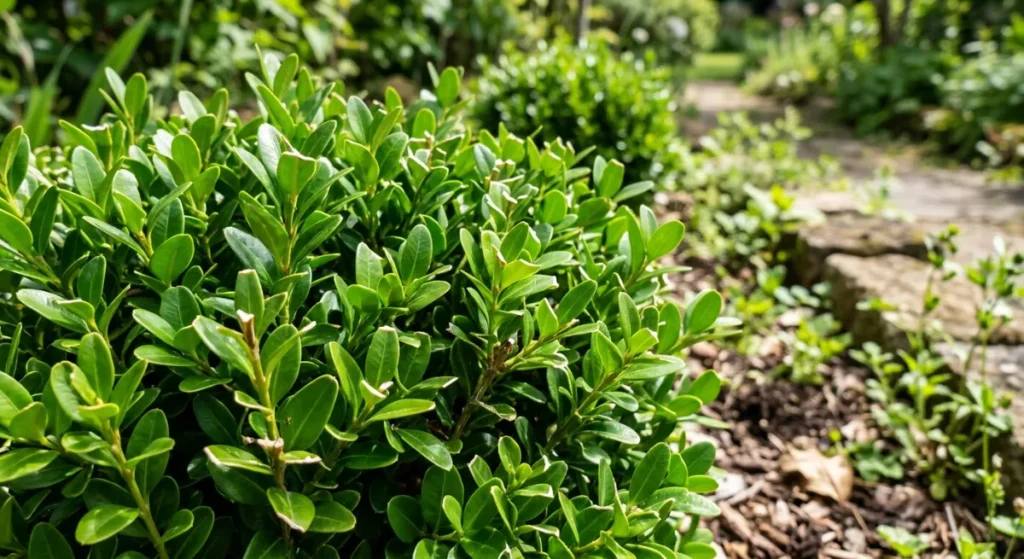
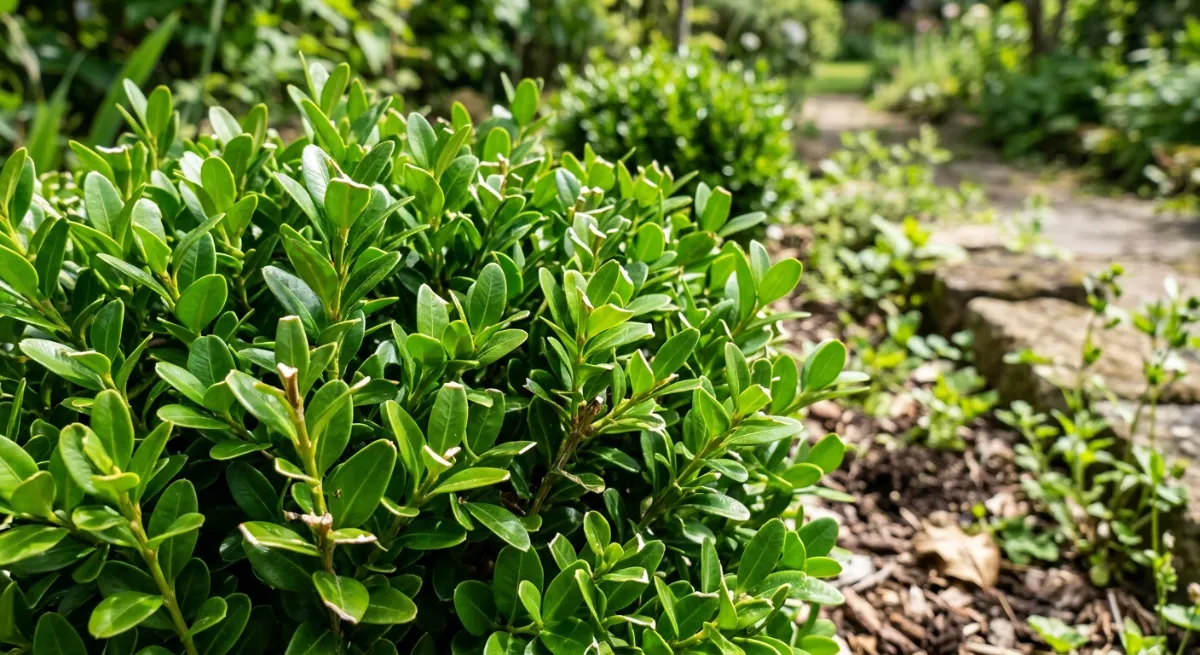
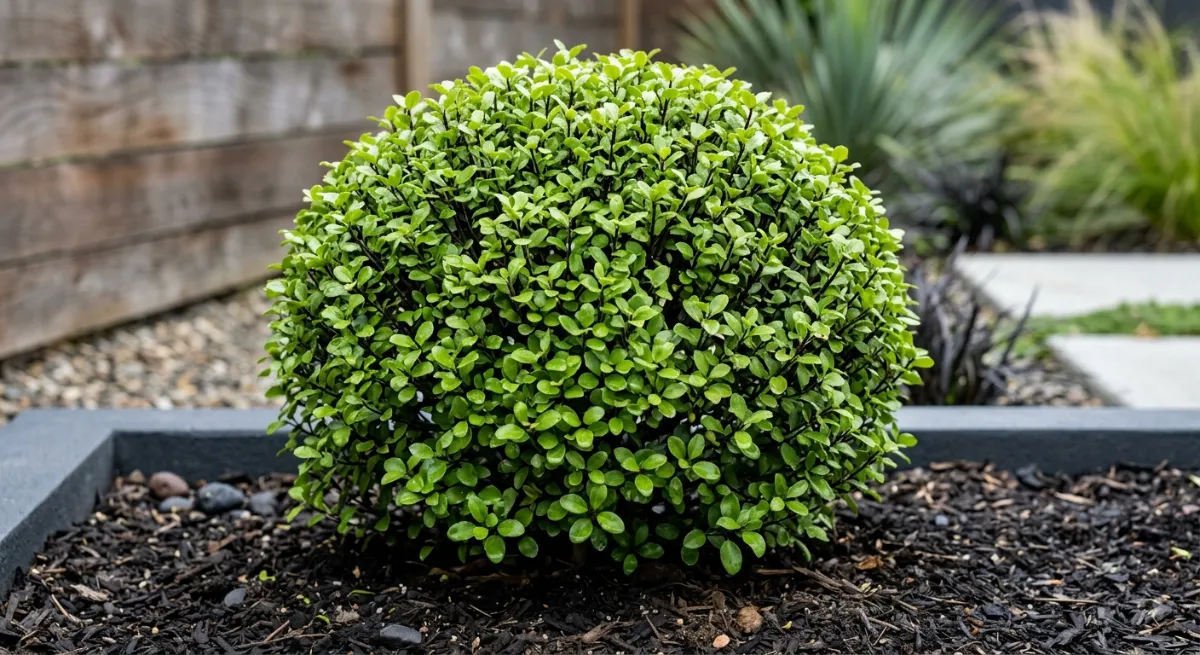
Buxus, commonly known as Boxwood, is the undisputed king of the topiary world. Its small leaves and slow growth habit allow it to hold complex shapes for months at a time. Native options like Pittosporum and Corokia are also highly popular, offering a unique, textured aesthetic that thrives in Auckland’s specific climate.
| Plant Species | Ideal Shaping Form | Optimal Trimming Frequency | Climate Preference |
|---|---|---|---|
| Buxus (Boxwood) | Spheres, Cubes, Low Hedges | Twice Annually (August & Jan) | Partial Shade to Sun |
| Pittosporum tenuifolium | Cones, Tall Boundary Hedges | 3-4 Times Annually | Full Sun, Well-Drained |
| Camellia sasanqua | Cloud Pruning, Espalier | Post-Flowering (Late Winter) | Partial Shade, Acidic Soil |
| Corokia cotoneaster | Geometric Borders, Pyramids | 2-3 Times Annually | Full Sun, Tolerates Wind |
The demand for these precise landscaping services is significant. Industry data reveals that regular maintenance tasks, specifically tree and shrub pruning, dominate the landscaping service sector. This highlights how crucial ongoing care is for property owners wanting to maintain their investment.
For the best results in New Zealand, trim your Buxus twice a year. Aim for a structural cut in August before spring growth, and a maintenance trim after Christmas once the new foliage has hardened off.
Professional Step-by-Step Shrub Shaping Methodology
Executing a flawless topiary shape is a methodical process. At Auckland Lawns, our approach begins with a thorough health assessment of the shrub. We actively look for signs of pest infestations or fungal issues before making a single cut, ensuring we do not stress an already weakened plant.
The next step is establishing the structural framework. We remove any dead, diseased, or crossing branches from the interior. This internal cleanup is vital because it promotes healthy airflow and prevents the buildup of damp, rotting material deep within the shrub’s core.
Finally, we move to the precision surface shaping. Using visual guides or physical string lines, we carefully shear the outer foliage to create the desired geometric profile. We always work from the bottom up, ensuring the proportions remain balanced and visually striking.
Always ensure the base of your shrub is slightly wider than the top. This gentle tapering allows vital sunlight to reach the lower branches, preventing the bottom of the hedge from dying off and turning bare.
Essential Precision Tools for Clean, Disease-Free Shrub Cuts
The quality of the cut directly impacts the health of the plant. Using dull or rusty tools crushes the plant tissue rather than slicing it. Crushed stems heal slowly and become an open invitation for pests and diseases to invade the shrub.
Professional shrub maintenance relies on high-quality, razor-sharp secateurs for internal thinning, and long-handled shears for the outer surface. Electric trimmers are excellent for larger hedges, but traditional hand shears provide the ultimate control for intricate topiary work.
Always disinfect your secateurs and hedge shears between different plants. Wiping blades with methylated spirits prevents the cross-contamination of devastating plant diseases across your section.
Expert Consensus: 5 Critical Shrub Trimming Mistakes that Damage Plant Health
Even well-intentioned gardeners can accidentally ruin a beautiful shrub by making common pruning errors. One of the most frequent mistakes is trimming during extreme summer heat. Cutting away the protective outer canopy exposes tender inner leaves to harsh sunlight, leading to severe foliage scorch.
Another major issue is scalping, which occurs when too much green growth is removed at once. If you cut past the active green leaves into the old, bare wood, many evergreen species will struggle to regenerate. This leaves permanent, unsightly brown patches on your once-perfect hedge.
To protect your investment, avoid these five critical errors:
- Top-Heavy Shaping: Cutting the top wider than the base blocks sunlight from the lower leaves.
- Ignoring Sanitization: Moving from a diseased plant to a healthy one without cleaning your blades.
- Poor Timing: Pruning right before a hard frost, which damages the fresh, vulnerable cuts.
- Dull Equipment: Tearing branches instead of making clean, surgical cuts.
- Neglecting Cleanup: Leaving cut debris trapped inside the bush, which restricts airflow.
Buxus plants are highly susceptible to Box blight in warm, damp conditions. Never water the foliage directly, and always ensure adequate airflow around the base of the plant to prevent fungal spores from taking hold.
Professional Maintenance: Ensuring Precision and Clean Yard Cleanup
Maintaining a flawless garden shouldn’t mean sacrificing your entire weekend. Professional boxwood shaping in Auckland offers a set-and-forget solution for busy homeowners and landlords. Whether you require expert Takapuna Property Maintenance or general care across the city, relying on a dedicated team ensures your property always looks its absolute best without lifting a finger.
At Auckland Lawns, we pride ourselves on owner-backed quality (read more About Auckland Lawns). Garry is actively involved in the field, auditing site work and ensuring our high standards are met. We provide value-priced, budget-friendly services that make routine maintenance accessible to everyday Kiwi families.
Furthermore, our service is built on the Reliability Lock. We turn up on the scheduled day, complete the precise shaping work, and ensure every single clipping is removed. Leaving your driveways clean and your garden beds free of green waste is simply part of our standard procedure.