Every homeowner dreams of a lush, vibrant green yard that feels like a soft carpet underfoot. However, achieving that perfect turf often feels like an impossible battle against weeds, bare patches, and unpredictable weather. When regular Lawn Mowing Services and watering no longer yield results, the underlying problem usually lies hidden beneath the surface.
This is where the science of Lawn Health & Restoration comes into play. Rather than simply treating the visual symptoms of turf decline, a proper restoration strategy addresses the root causes of the damage. By rehabilitating the soil structure and introducing resilient grass varieties, you can permanently reverse years of neglect.
Understanding the biological needs of your grass is the first step toward recovery. Whether you are dealing with heavy clay soils or excessive organic buildup, targeted interventions can breathe new life into dying turf. Let’s explore the exact protocols required to transform a struggling yard into a resilient, thriving outdoor space.
Key Takeaways
Lawn Health & Restoration involves diagnosing soil compaction, removing thatch, and repairing damaged turf. Key steps include dethatching to clear dead organic matter, core aeration to improve oxygen flow, and overseeding to fill bare patches. Consistent seasonal maintenance ensures long-term turf recovery and resilience.
What Is Lawn Health and Restoration? A Step-by-Step Recovery Guide
A declining yard rarely fixes itself without deliberate human intervention. Effective Lawn Health & Restoration, like those offered in Our Services, requires a systematic process that treats the soil as a living ecosystem. When grass begins to thin, yellow, or die off, it is usually a symptom of a much deeper environmental imbalance.
The recovery process begins with a thorough site assessment to identify drainage issues, pest infestations, or nutrient deficiencies. Once the primary stressors are identified, mechanical treatments are deployed to open up the soil profile. This creates an optimal environment for new seeds to germinate and establish deep root systems.
Finally, the restoration is solidified through careful topdressing and tailored fertilization. This multi-step approach ensures that the newly established turf can withstand seasonal temperature fluctuations and heavy foot traffic. Skipping any of these foundational steps often leads to a rapid relapse of the original turf problems.
Beyond pure aesthetics, a fully rehabilitated yard provides significant environmental benefits to your property. Dense, healthy grass acts as a powerful natural filter, capturing airborne dust and preventing soil erosion during heavy rainstorms. Furthermore, a thriving turf canopy naturally cools the ground surface, significantly reducing the ambient temperature around your home during peak summer months.
Lawn Restoration Matrix: Aeration, Dethatching, and Overseeding Compared
Homeowners often confuse the different mechanical treatments required to revive a struggling yard. Each technique serves a highly specific biological purpose and targets a different layer of the turf profile. Applying the wrong treatment at the wrong time can actually cause further stress to your grass.
To clarify these interventions, we have broken down the three most critical restoration methods. Understanding the distinct differences between aeration, dethatching, and overseeding is essential for building a successful recovery plan.
These three methods are rarely used in isolation; rather, they work synergistically to accelerate turf recovery. For example, broadcasting seed over a heavily compacted yard will yield terrible germination rates. However, when overseeding is performed immediately after core aeration, the seeds fall directly into the protective soil holes, ensuring optimal moisture retention and rapid root growth.
| Restoration Method | Primary Purpose | Target Issue | Best Time to Perform |
|---|---|---|---|
| Core Aeration | Extracts soil plugs to improve oxygen, water, and nutrient flow to roots. | Severe soil compaction and poor drainage. | Early Spring or Autumn |
| Dethatching | Mechanically slices and removes dead organic matter from the soil surface. | Thick thatch buildup preventing water absorption. | Late Spring |
| Overseeding | Spreads new grass seed directly over existing turf to increase density. | Bare patches, thinning grass, and weed invasion. | Early Autumn |
Diagnosing Turf Decline: How Soil Compaction, Thatch, and Nutrient Depletion Damage Grass
Before initiating any recovery efforts, you must accurately diagnose the underlying cause of the turf decline. Grass is incredibly resilient, but it cannot survive when its basic biological requirements are cut off. The most common culprits usually involve a physical barrier preventing root development.
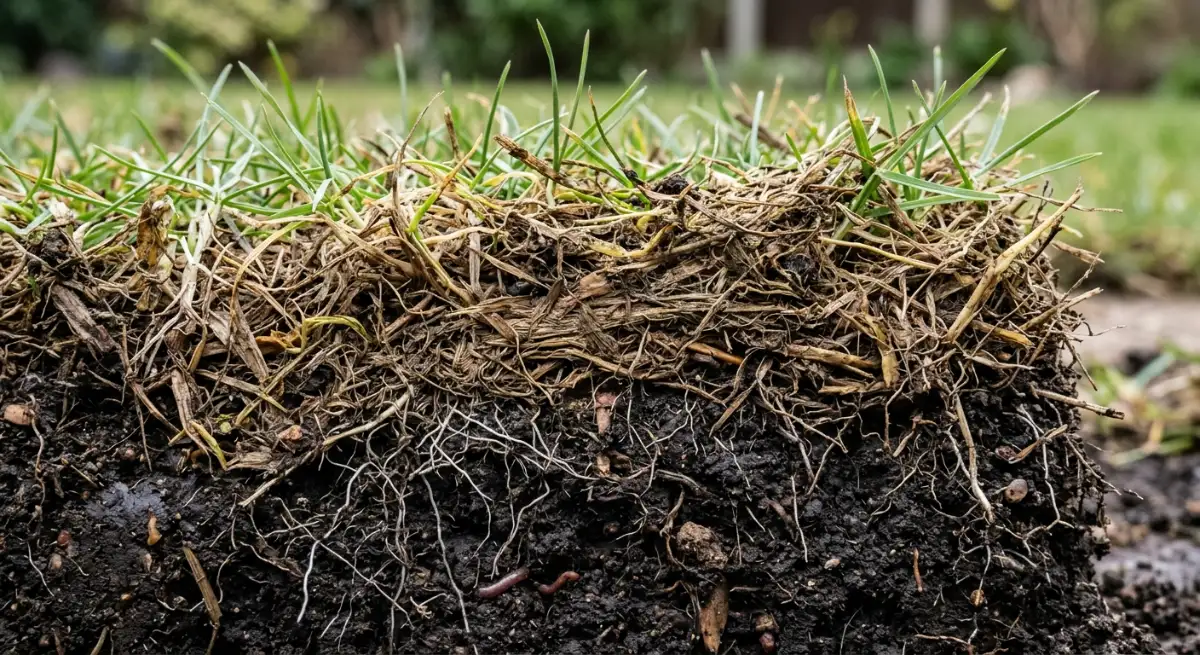
When inspecting a struggling yard, look closely at the soil surface rather than just the grass blades. A healthy soil ecosystem should be loose, crumbly, and teeming with beneficial microbial life. If the ground feels like concrete or acts like a sponge that repels water, you are likely dealing with one of the following issues:
- Soil Compaction: Heavy foot traffic compresses soil particles together, squeezing out the microscopic air pockets roots need to breathe. This forces grass into a state of chronic stress and prevents water from penetrating the ground.
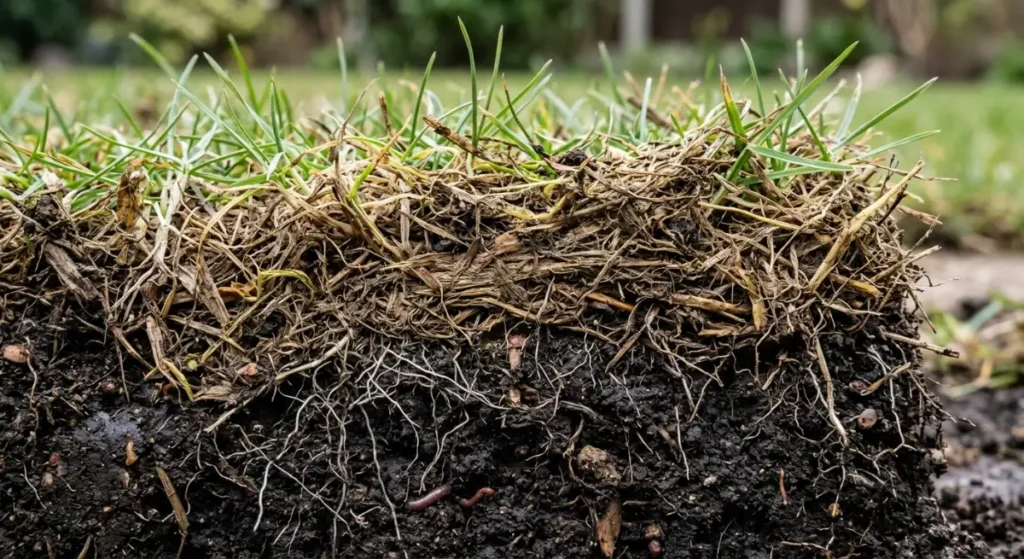
- Excessive Thatch: A dense layer of un-decomposed stems and roots builds up between the green vegetation and the soil surface. When this layer exceeds half an inch, it acts as a waterproof barrier that breeds fungal diseases.
- Nutrient Depletion: Over time, grass consumes all available nitrogen, phosphorus, and potassium from the soil. Without regular, balanced fertilization, the turf loses its deep green color and its ability to recover from mowing damage.
Thatch buildup is particularly problematic because it disrupts the natural biological cycles of the soil. In a healthy ecosystem, beneficial microbes and earthworms constantly consume dead plant matter and convert it into usable nutrients. When harsh chemical pesticides or synthetic fertilizers are overused, these microbial populations collapse, allowing thick, suffocating thatch to accumulate unchecked.
Remediating Clay Soil: The Science of Aeration and Topdressing for Auckland Lawns
Many regions, particularly areas around Auckland, are notorious for their heavy, poorly draining clay soils. Clay particles are microscopic and pack tightly together, making it incredibly difficult for delicate grass roots to penetrate deeply. During summer droughts, this clay bakes into a brick-like surface, while winter rains turn it into a waterlogged swamp.
To permanently fix clay-heavy yards, core aeration is an absolute necessity. By physically extracting thousands of small soil plugs, you immediately relieve surface tension and create channels for air and water. However, aeration alone is only half the solution for dense clay profiles.
Following aeration, a generous application of high-quality compost or coarse sand should be swept into the open holes. This process, known as topdressing, permanently alters the soil structure by introducing organic matter into the heavy clay. Over several seasons, this practice dramatically improves drainage and encourages deep, drought-resistant root systems.
In addition to mechanical aeration and topdressing, applying agricultural gypsum can further assist in breaking down stubborn clay profiles. Gypsum works on a chemical level to displace sodium ions, causing the microscopic clay particles to clump together. This microscopic clumping creates tiny pores in the soil, allowing water to drain freely rather than pooling on the surface.
To check if your yard needs aeration, take a standard 6-inch screwdriver and push it into the ground. If you have to use significant physical force to drive it into the soil, your lawn is heavily compacted and requires immediate core aeration.
Expert-Approved Restoration Protocols: When to Patch, Overseed, or Re-soil
Determining the correct scale of your intervention is crucial for achieving a successful outcome. Minor damage can often be resolved with localized patching, which involves roughing up the bare spot and applying a seed-and-soil mixture. This is ideal for repairing small areas damaged by pets or isolated pest activity.
However, if your yard is suffering from widespread thinning or contains more than forty percent weeds, a comprehensive overseeding protocol is required. Overseeding introduces robust, modern grass cultivars that can outcompete invasive weeds and resist local diseases. This is a cornerstone practice in professional Lawn Health & Restoration programs.
The ultimate secret to successful overseeding lies in achieving perfect seed-to-soil contact. Tossing seeds onto a bed of dead leaves or thick thatch guarantees failure, as the seeds will dry out before they can germinate. Preparing the seedbed properly ensures that every seed is nestled securely into mineral soil, maximizing your germination rates and protecting your investment.
Never attempt to overseed or heavily fertilize your yard during the peak of summer heat. The high temperatures will scorch delicate new seedlings, and applying nitrogen to heat-stressed grass can cause severe chemical burns.
In extreme cases where the soil profile is completely degraded or contaminated, a full re-soiling may be the only viable option. This involves scraping away the dead vegetation, rototilling the top layer, and importing fresh topsoil. While labor-intensive, it provides a perfect blank canvas for establishing a flawless new turf.
Seasonal Lawn Maintenance Timeline: Transitioning Restored Grass to Long-Term Health
Once your yard has been successfully restored, maintaining that hard-won progress with regular Garden Maintenance requires a disciplined seasonal schedule. Grass growth rates fluctuate wildly depending on the ambient temperature and rainfall. Understanding these natural growth curves allows you to time your maintenance activities perfectly.
During the explosive growth phase of spring, your primary focus should be on frequent mowing and managing the rapid accumulation of clippings. This is also the ideal window to apply pre-emergent weed controls to stop invasive species before they sprout. Keeping the cutting height slightly higher during this period encourages deeper root development.
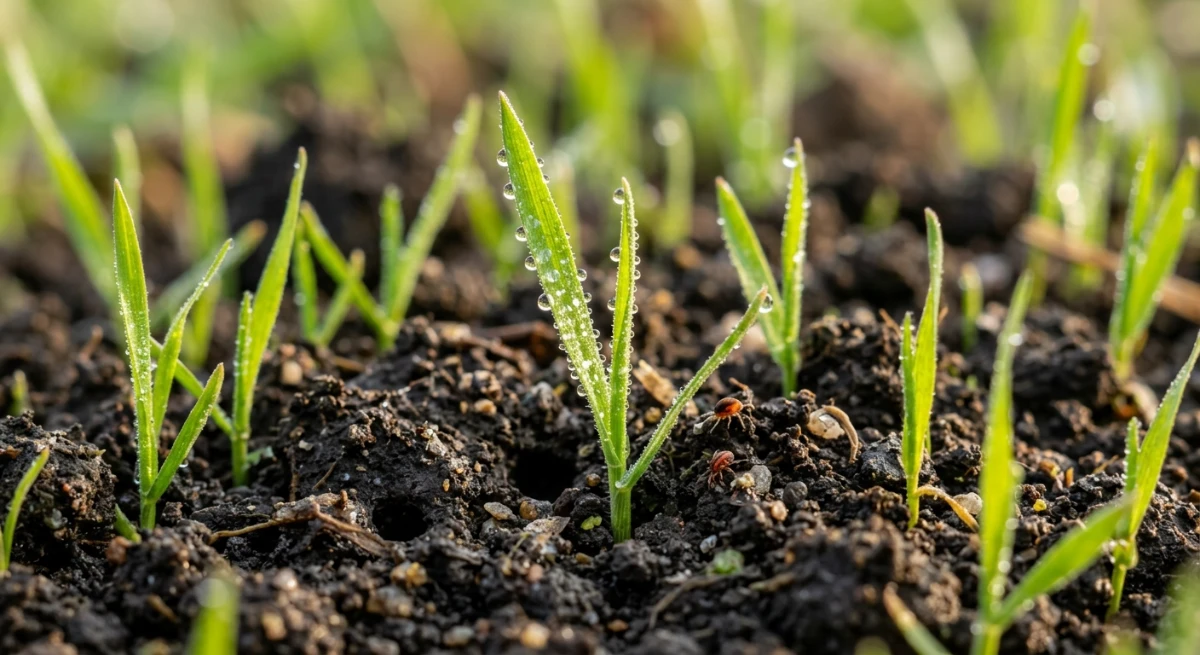
As the intense summer heat arrives, your strategy must shift from growth promotion to stress defense. Watering deeply but infrequently trains the roots to dive deeper into the soil in search of moisture. Finally, autumn is the ultimate season for core Lawn Health & Restoration, providing the perfect cool, moist conditions for aeration and overseeding.
As winter approaches, grass naturally enters a state of semi-dormancy to protect itself from frost and low light conditions. During this chilly period, all growth energy is redirected from the leafy green blades down into the root system. Minimizing foot traffic and keeping the yard clear of heavy, wet leaves is essential to prevent winter fungal diseases from devastating your newly restored turf.
To maintain optimal turf health, never cut off more than one-third of the grass blade’s total height in a single mowing session. Removing too much leaf tissue at once shocks the plant and halts root growth.