For many busy homeowners and property managers, the weekend arrives with a familiar sense of dread. Just as the unpredictable Auckland weather finally clears up, the realization hits that the grass has doubled in height since last week. Instead of spending precious time relaxing with family or exploring the city, you are left wrestling with a temperamental mower and dragging heavy bags of green waste to the curb.
This constant cycle of weekend labor is exactly why reliable Lawn Mowing Services have become an essential utility rather than a luxury. Outsourcing this heavy lifting to a dedicated local team instantly reclaims your free time while dramatically elevating the curb appeal of your property. It transforms a frustrating chore into a seamless, automated background process that you never have to think about again.
At Auckland Lawns, we understand that true value lies in absolute dependability and transparent pricing. Led by owner-operator Garry, our crew bridges the gap between the reliability of a large franchise and the meticulous care of a local family business. We show up when promised, deliver a razor-sharp cut, and leave your property looking immaculate without charging exorbitant corporate rates.
Key Takeaways
Professional Lawn Mowing Services provide consistent, scheduled turf maintenance that enhances property value and saves hours of manual labor. A comprehensive service includes precision mowing, specialized weed-eating, crisp edge trimming, and complete green waste removal, ensuring your property remains pristine and healthy year-round.
What is Included in Professional Lawn Mowing Services? (Direct Answer)
A common misconception is that professional property maintenance simply involves running a noisy machine rapidly over a patch of grass. In reality, modern turf care is a highly systematic process designed to promote biological plant health while maintaining strict aesthetic standards. It requires specialized equipment, seasonal knowledge, and a meticulous eye for detail.
When you invest in a dedicated team, you are paying for an all-encompassing environmental reset of your outdoor space. The goal is to leave the property looking sharp, defined, and completely free of organic debris. This level of finish is incredibly difficult to achieve with standard consumer-grade equipment and limited weekend hours.
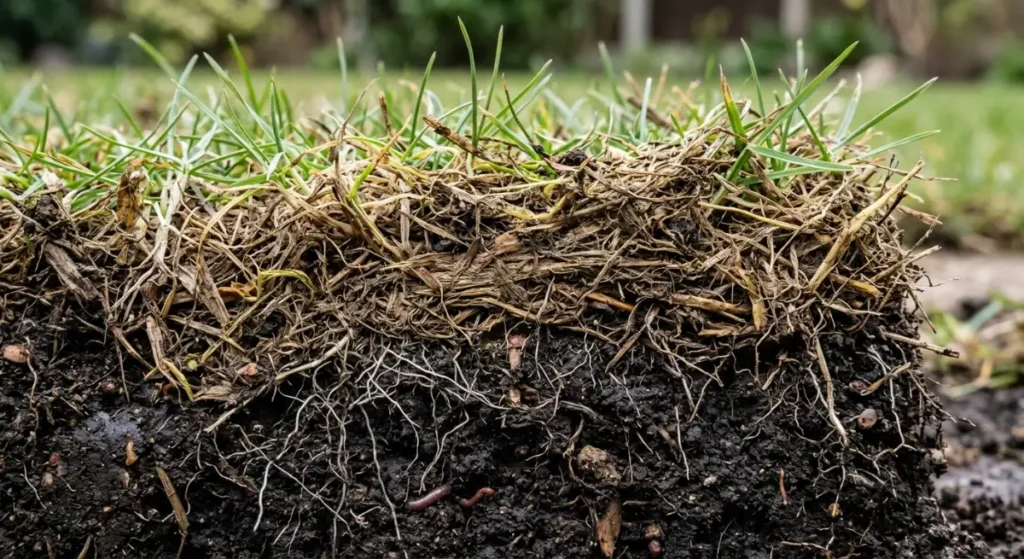
Many properties across the greater Auckland region sit on dense, heavy clay soils. These soils retain water during winter but bake rock-hard in summer, making consistent, season-specific turf management absolutely vital for grassroots survival.
Beyond just aesthetics, regular maintenance prevents the establishment of deep-rooted weeds and deters pests from nesting near your foundation. A well-kept boundary signals to neighbors and prospective tenants that the property is actively managed and highly valued. It is a fundamental component of proactive real estate protection.
The Standard Package: Mowing, Weed-Eating, Precision Edging, and Green Waste Clean-Up
To guarantee a flawless result every single visit, reputable contractors break their service down into four distinct operational phases. Skipping any one of these steps results in the messy, “blow-and-go” look that plagues amateur operations. True quality control requires a methodical approach to every square meter of the section.
A comprehensive visit from an owner-operated crew will seamlessly execute the following core tasks:
- Precision Mowing: The primary turf area is cut to an optimal, season-specific height using sharp blades to prevent tearing and disease.
- Detailed Weed-Eating: Operators trim the difficult areas around tree trunks, letterboxes, and retaining walls where heavy mowers cannot safely reach.
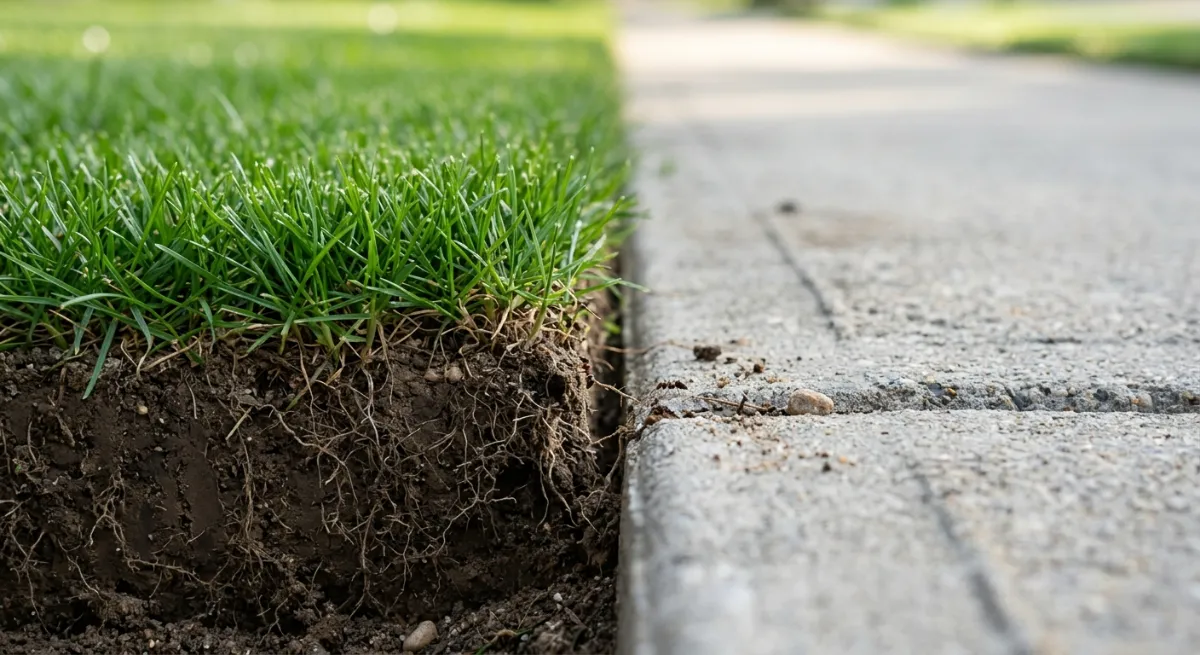
- Crisp Edge Trimming: Creating a sharp, defined vertical line between the grass and concrete pathways to instantly enhance visual street appeal.
- Complete Green Waste Clean-Up: Collecting, loading, and sustainably disposing of all clippings so driveways and garden beds are left spotless.
Before your scheduled maintenance day, quickly sweep the section to remove loose dog toys, hidden garden hoses, and large fallen branches. This ensures the crew can work efficiently and prevents dangerous projectile hazards.
This four-step methodology ensures that the final product looks intentional and highly manicured. It prevents aggressive grass runners from invading carefully curated flower beds and keeps organic matter out of storm drains. The result is a clean, safe, and beautiful environment for your family or tenants.
Furthermore, by handling the green waste removal, the service eliminates the need for you to spend weekends at the local refuse station. The entire lifecycle of the yard work is managed off-site, providing a truly hands-off, worry-free experience for the property owner.
Lawn Mowing Services Comparison: Weekly vs. Fortnightly Scheduling Matrix
When comparing Lawn Mowing Services, the frequency of the visits is just as important as the quality of the cut. Grass is a living organism that responds aggressively to environmental changes and mechanical stress. Choosing the correct schedule dictates how thick, green, and resilient your turf will become over the long term.
In New Zealand, the two most common residential scheduling options are weekly and fortnightly maintenance. The right choice depends heavily on the time of year, your specific grass species, and your budget. Below is a structured breakdown to help you determine the most effective cadence for your property.
| Scheduling Option | Best Suited For | Seasonal Timing |
|---|---|---|
| Weekly Maintenance | Fast-growing Ryegrass, premium residential properties, and high-visibility commercial fronts. | Spring (Sept-Nov) and early Summer. |
| Fortnightly Maintenance | Standard residential sections, budget-conscious households, and established Kikuyu lawns. | Late Summer and Autumn (Mar-May). |
| Monthly or As-Needed | Dormant winter grass, low-maintenance investment properties, and heavily shaded sections. | Winter (Jun-Aug) when growth stalls. |
A fortnightly schedule is generally considered the sweet spot for the average Kiwi homeowner. It balances aesthetic upkeep with budget-friendly pricing, ensuring the property never looks neglected. However, during the explosive growth weeks of October and November, a temporary shift to weekly visits may be necessary to prevent the grass from getting out of control.
Conversely, commercial properties often require strict weekly schedules year-round to maintain a highly professional exterior. Foot traffic, visual branding, and safety regulations dictate that commercial grounds must remain uniformly short and entirely free of tripping hazards at all times.
Key Turf Health Metrics: Mowing Heights and Growth Cycles by Season
Understanding the biological needs of your specific grass type is what separates amateur hacking from professional turf management. Different species require vastly different cutting heights to thrive. Cutting grass too short induces severe shock, halting root development and allowing opportunistic weeds to rapidly colonize the bare soil.
To visualize how seasonal changes dictate the necessary frequency of maintenance visits, refer to the growth rate chart below. It illustrates the average number of mows required per month to maintain optimal health across the distinct New Zealand seasons.
In the North Island, Kikuyu grass is incredibly common due to its aggressive runners and high drought tolerance. To keep Kikuyu dense and healthy without letting it become a spongy, unmanageable mat, professionals recommend a strict mowing height of 20mm to 40mm. This requires robust machinery capable of slicing cleanly through its thick, fibrous texture.
Ryegrass, on the other hand, is a finer, cooler-season all-rounder that establishes quickly and provides a lush, deep green carpet. Because it grows vertically at a rapid pace, it demands a slightly higher cutting height of 30mm to 50mm. This extra length helps shade the soil beneath it, dramatically reducing moisture evaporation during dry spells.
Regardless of the species, expert operators strictly adhere to the universal “One-Third Rule.” This horticultural principle states that you should never remove more than one-third of the total grass blade length in a single cutting session. Violating this rule severely damages the plant’s ability to photosynthesize and recover.
Cutting your grass too short in a single session removes the leaf blade needed for photosynthesis. This starves the root system, invites aggressive weed invasions, and leaves the soil vulnerable to rapid dehydration during hot summer months.
E-E-A-T Quality Checklist: How Experts Assess Professional Lawn Care Standards
The property maintenance industry is unfortunately crowded with unreliable operators who frequently miss scheduled appointments or deliver inconsistent results. Establishing trust requires looking beyond flashy marketing and evaluating the contractor’s actual operational standards. True professionals operate with radical transparency and a commitment to long-term site health.
When evaluating commercial Lawn Mowing Services, experts look for the “Reliability Lock.” This means the company guarantees their scheduled turn-up day and proactively communicates via text or email if extreme weather forces a delay. You should never have to chase your contractor to find out if they are coming.
At Auckland Lawns, our quality control is actively managed on the ground by owner Garry. Unlike distant franchise directors who never see the properties they bill for, Garry remains directly involved in staff training and site auditing. This hands-on approach ensures that our value-priced service consistently outperforms expensive corporate competitors.
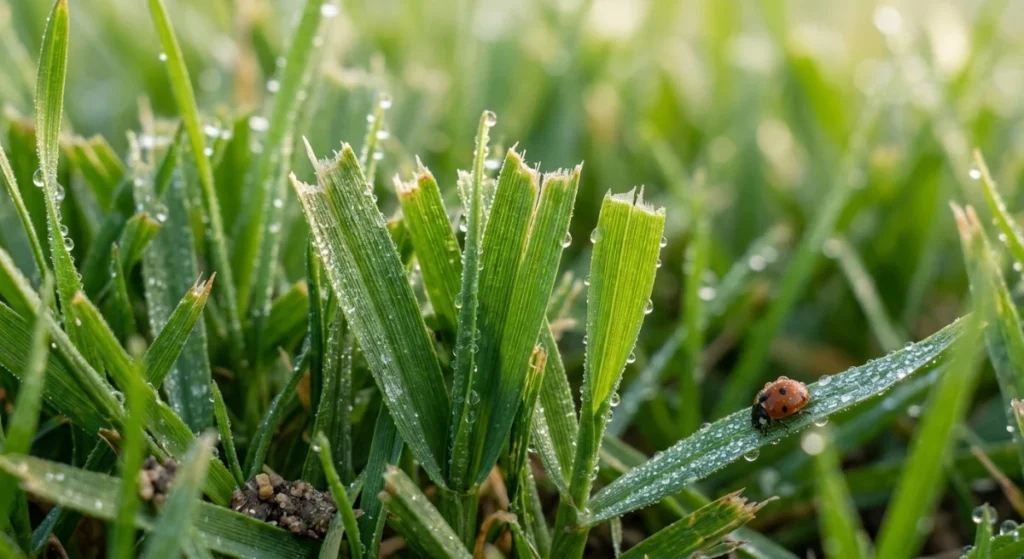
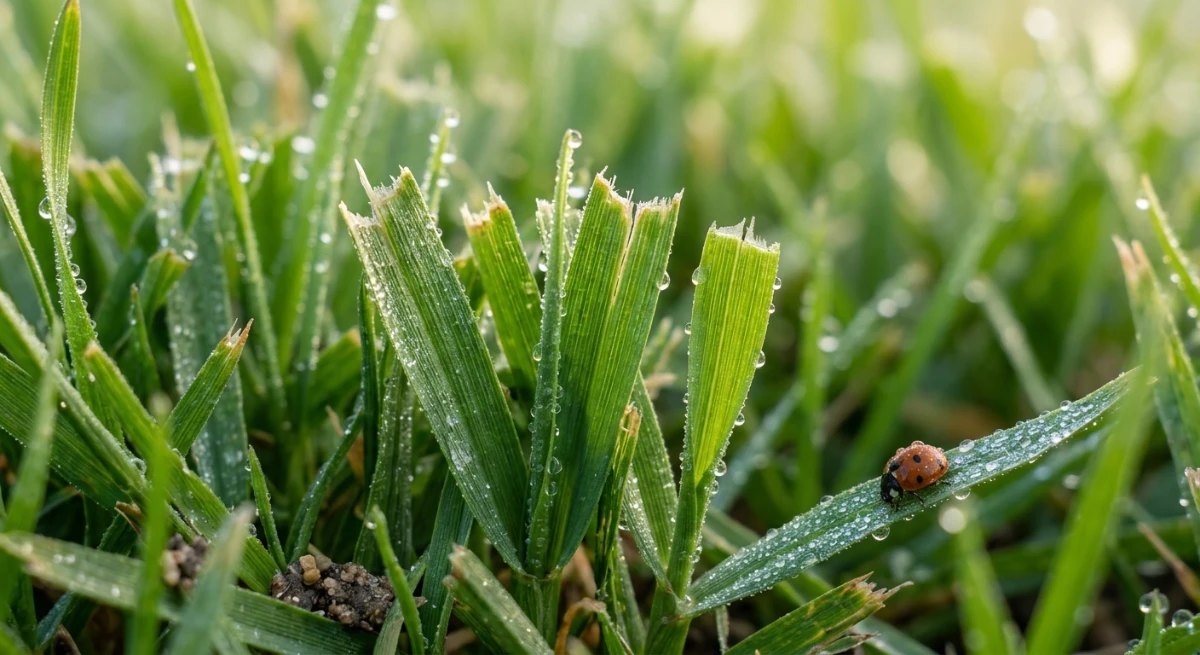
- Blade Sharpness: Professionals sharpen their mower blades daily to ensure a clean, surgical cut rather than a jagged, torn edge that invites disease.
- Directional Alternation: High-quality operators change their mowing patterns every visit to prevent deep tire ruts from forming in the soil.
- Edge Discipline: A superior service will maintain a strict 90-degree angle along concrete borders, preventing lateral runner invasion.
To help your turf recover quickly from the mechanical stress of a fresh cut, deeply water the section early the following morning. This replenishes lost moisture and encourages the root system to grow deeper into the soil profile.